Crypto Taxes in Nigeria: What Counts, How to Track It, and Why Ignoring It Can Cost You Big

Think of Crypto Like a Toy You Bought

Imagine you buy a toy for ₦10,000. Later you sell it for ₦25,000. You made ₦15,000 profit. The government says, “Nice! Pay tax on that profit.” Crypto works the same way. The government now treats Bitcoin, Ethereum, USDT, NFTs, and other digital coins like property or assets.

From 2026, Nigeria has clearer rules under the new tax laws. Profits from crypto are taxable. Exchanges must link your transactions to your TIN (Tax Identification Number) and NIN (National ID). They report data to the Nigeria Revenue Service. The blockchain is public, so hiding is very hard.

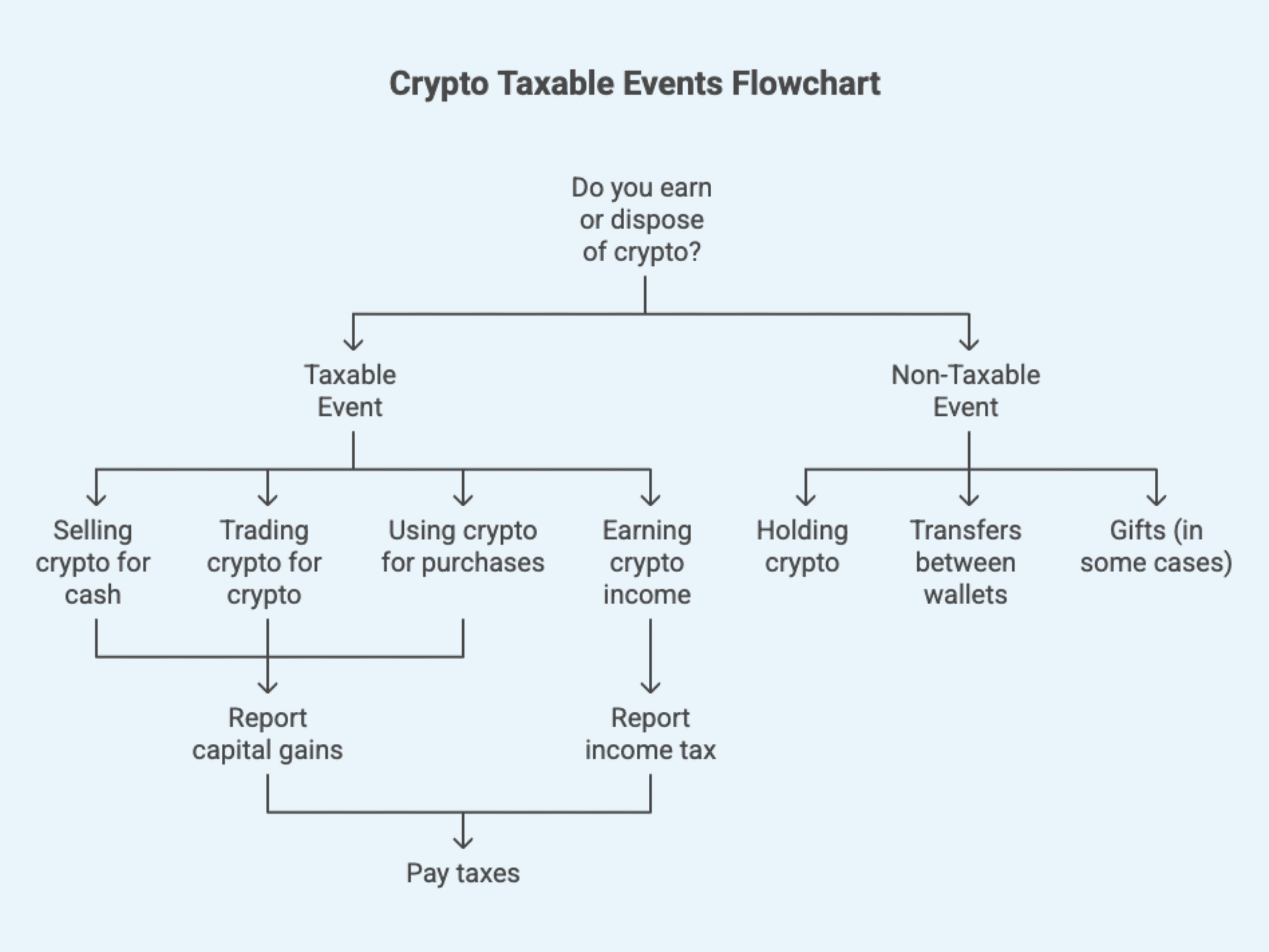
What Counts as a Taxable Event? (The Moments You Owe Tax)

Not everything triggers tax. Here are the main ones, explained simply:

You sell crypto for naira or dollars → Tax on the profit.

You trade one crypto for another (Bitcoin to Ethereum) → Yes, tax! It's like selling the first one and buying the second.

You spend crypto to buy something (like a phone or pay rent) → Tax on the profit at that moment.

You earn crypto: staking rewards, DeFi yield, mining, airdrops, or getting paid in crypto → This is usually treated as income, like salary.

Receiving NFTs or tokens as gifts/rewards in most cases.

What does NOT usually trigger tax right away:

Just buying crypto with money and holding it.

Moving crypto between your own wallets (but keep records anyway).

G
@godswillfx - 3 months ago

How to Calculate Your Tax – Super Simple Example

Let’s say you bought 1 Bitcoin for ₦10 million (including fees). Later you sell it for ₦18 million.

Your cost basis = what you paid (₦10m) + any fees.

Profit = ₦18m – ₦10m = ₦8m.

You pay tax on that ₦8 million profit.

The tax rate can be up to 25% on chargeable gains (profits) depending on your total income bracket. Some income from crypto may fall under personal income tax rates. Losses can sometimes offset gains (tax loss harvesting), which saves you money.

Always use the fair market value (price at the exact time of the transaction) in naira.

G
@godswillfx - 3 months ago

Record-Keeping: Your Most Important Job

You must track everything:

Date of every buy, sell, trade, or earn

How much you paid (cost basis)

The price in naira at that exact time

Fees paid

Wallet addresses or exchange records

Exchanges give some reports, but they miss DeFi, on-chain swaps, and private wallet moves. Use a spreadsheet or better, automatic tools like Koinly, CoinTracker, or CoinLedger. These connect to your wallets and exchanges and create tax reports for you.

G
@godswillfx - 3 months ago

The Blockchain Is Like a Public Diary

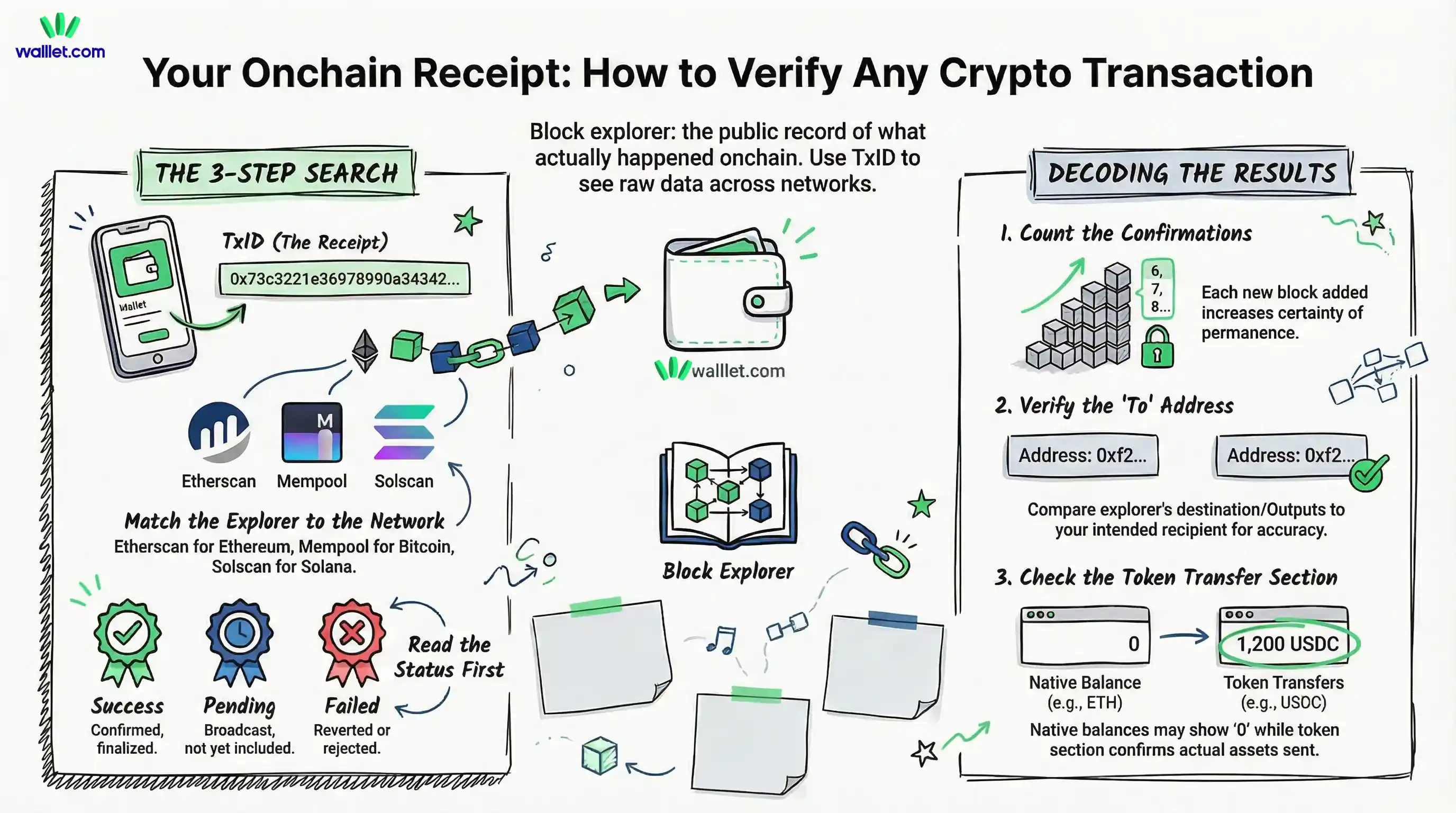
Every transaction is written forever on the blockchain. Anyone (including tax officers) can see the flow of coins using explorers like Etherscan or BscScan. When you cash out on an exchange, they already know your identity through KYC. So “no one can track it” is not true anymore.

G
@godswillfx - 3 months ago

The Hidden Cost of Not Doing It

If you ignore taxes:

You can get audited.

Pay penalties and interest (sometimes big fines).

In serious cases, face legal trouble.

VASPs (exchanges) face up to ₦10 million fines plus monthly penalties for not reporting properly.

Many people think “I’ll sort it later” and end up with a huge unexpected bill that eats all their profit or more.

Disclaimer:

At MyTradingLand.com, we connect you with forex brokers and provide a community for traders. While we offer valuable information and resources, please note that we are not financial advisors and cannot provide personalized financial advice. Always conduct your own research and invest responsibly.

Community Guidelines: The MyTradingLand.com community is designed as a resource for forex traders, promoting respectful and constructive discussions. We reserve the right to remove any content that is misleading, abusive, or violates our terms of service.

Broker Information: While we may receive commissions or advertising income from some of the brokers listed, this does not imply an endorsement of any broker, nor does it affect our review process. Our evaluations are based solely on objective criteria and user feedback.

Always verify the regulatory status of any broker with your local financial authority, along with their terms and privacy policies, before engaging with them. It is crucial to conduct thorough research to ensure that you are making informed decisions.

Risk Warning: At MyTradingLand.com, we strive to provide accurate information; however, the forex market is highly volatile and can change rapidly. It is essential to verify any information before making investment decisions.

Please be aware that trading in forex involves substantial risk, and it is possible to lose more than your trading equity/investment capital. 70-90% of retail CFD traders incur losses in their trading activities as per information from various brokers.

You are solely responsible for your use of MyTradingLand.com and any trading decisions you make. We encourage all users to educate themselves thoroughly about forex trading and to consider seeking advice from qualified financial professionals.

Advertising Disclosure: We may earn commissions from recommended brokers, but our reviews are independent (not influenced by potential earnings). Sponsored content is clearly marked and doesn't reflect our views.

©2026 ©2025 All rights reserved Mytradingland.com