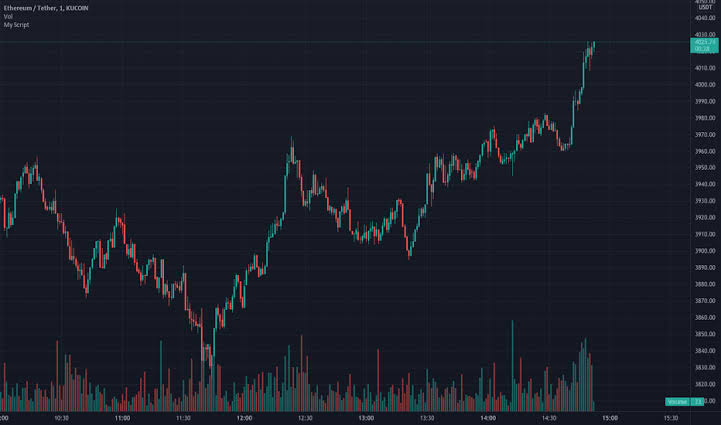
1. Market Structure > Entry Signals
Price moves in structure: highs, lows, breaks, and retests. Before you look for entries, define the structure on D1 + H4. If you don’t know the bias, your entry is just a guess. Trade with structure, not against it.
2. Liquidity Is The Real Target
Banks and institutions don’t care about your RSI. They need liquidity to fill large orders. That liquidity sits above recent highs and below recent lows. Price often sweeps those zones first. Learn to see stops, and you stop getting stopped.
3. Risk Defines Longevity
Your strategy won’t make you rich. Risk management will keep you alive long enough to get rich. Rule: Risk max 1% per trade. Max 3% risk per day. One bad day should never erase 2 weeks of work. Capital preservation is the real edge.
4. One Pair, One Setup, Mastery
Most traders fail from complexity. Master EURUSD + one setup like breaker + liquidity sweep. 100 reps on one pair beats 10 reps on 10 pairs. Depth beats width in this game.
5. Timeframe Discipline
Use higher timeframes for bias, lower timeframes for execution. D1/H4 = direction. H1/M15 = entry. If you analyze on M5 but panic on M1, you’ll misread noise as signal. Separate the roles.
6. Psychology Is The Final Filter
Technical skill is 30%. Psychology is 70%. FOMO, revenge trading, and moving SL are all ego problems, not strategy problems. The best trade is often “no trade”. Patience is a position.
7. Journaling = Compound Interest
If you don’t track it, you can’t fix it. Log every trade: screenshot, reason, emotion, outcome. After 50 trades, patterns emerge. Your journal will show you more flaws than any mentor can.