Correlation | Causation
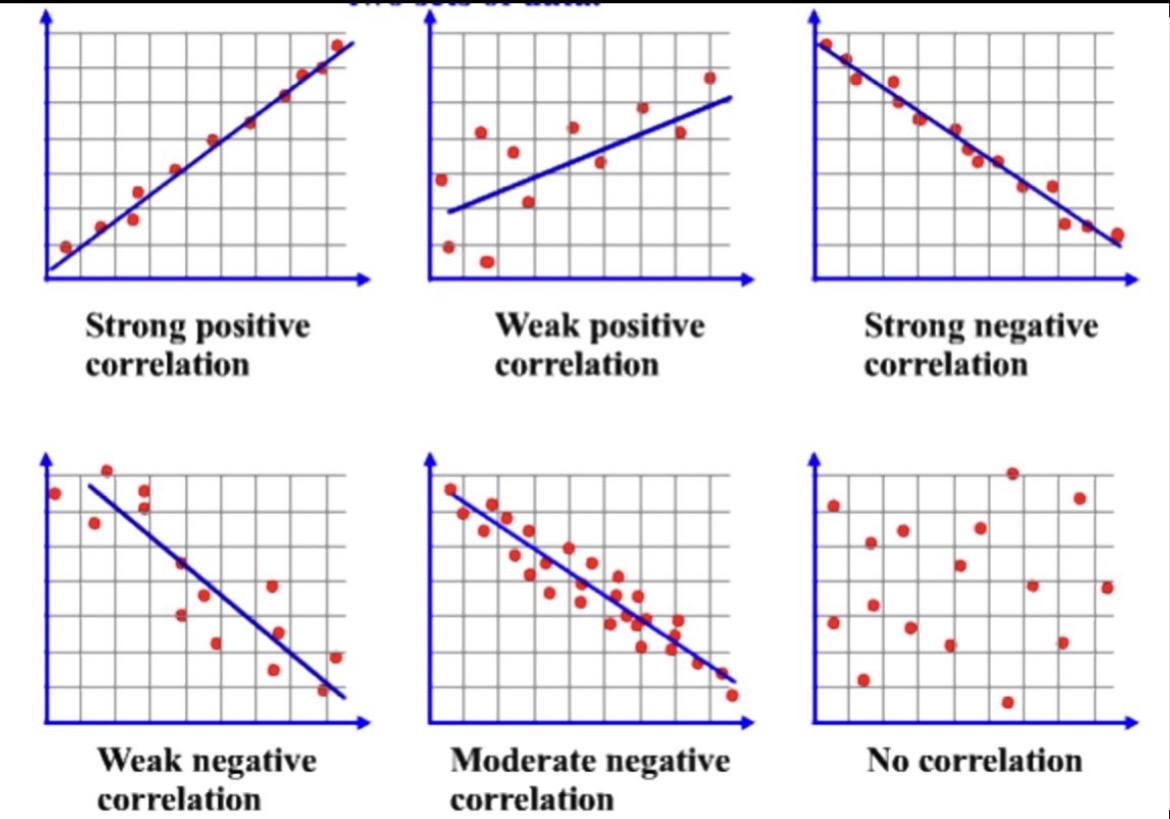
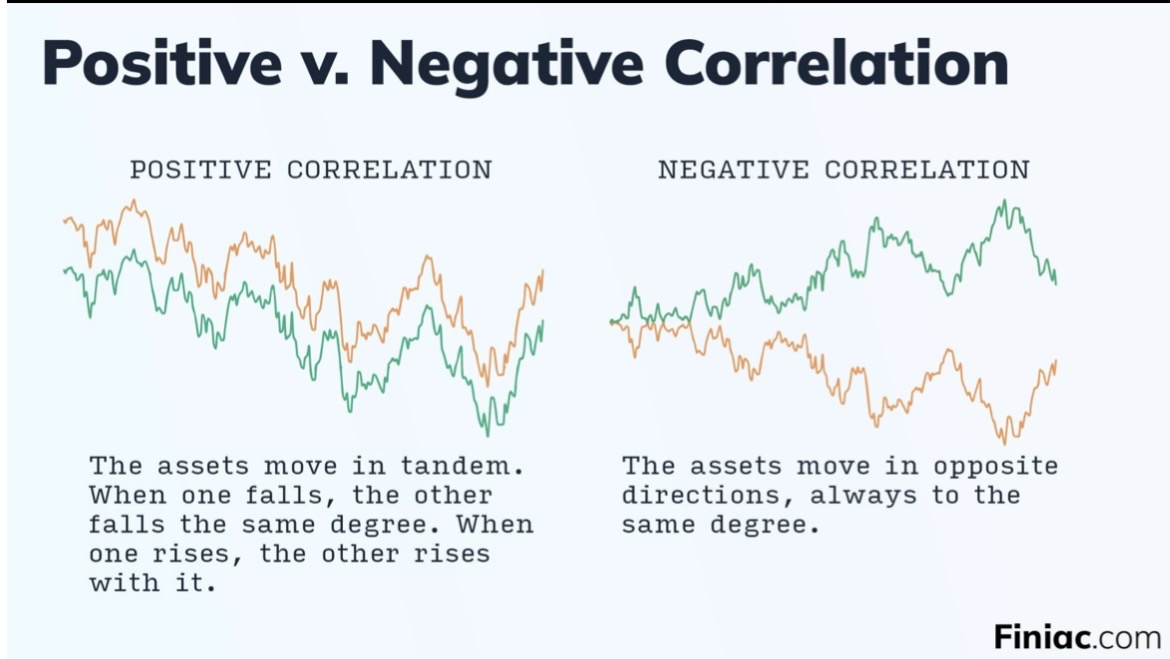
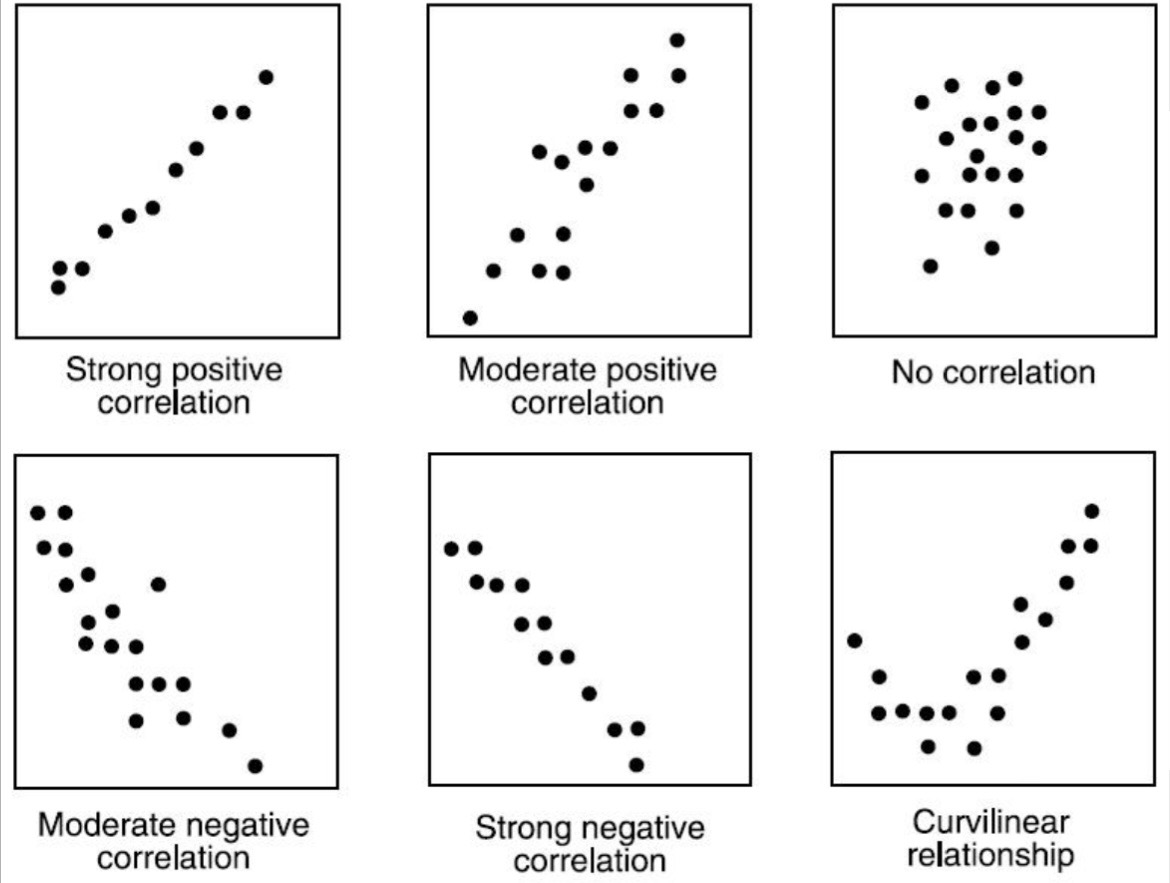
Correlation refers to a relationship between two variables where they tend to change together, either in the same direction (positive correlation) or in opposite directions (negative correlation).
Correlation means two things move together—but one does not necessarily cause the other.
Positive correlation → both move in the same direction
Negative correlation → move in opposite directions
👉 It answers: “Do these things move together?”
Forex example:
EUR/USD and GBP/USD often move in the same direction. That’s correlation—but one pair doesn’t directly cause the other to move.

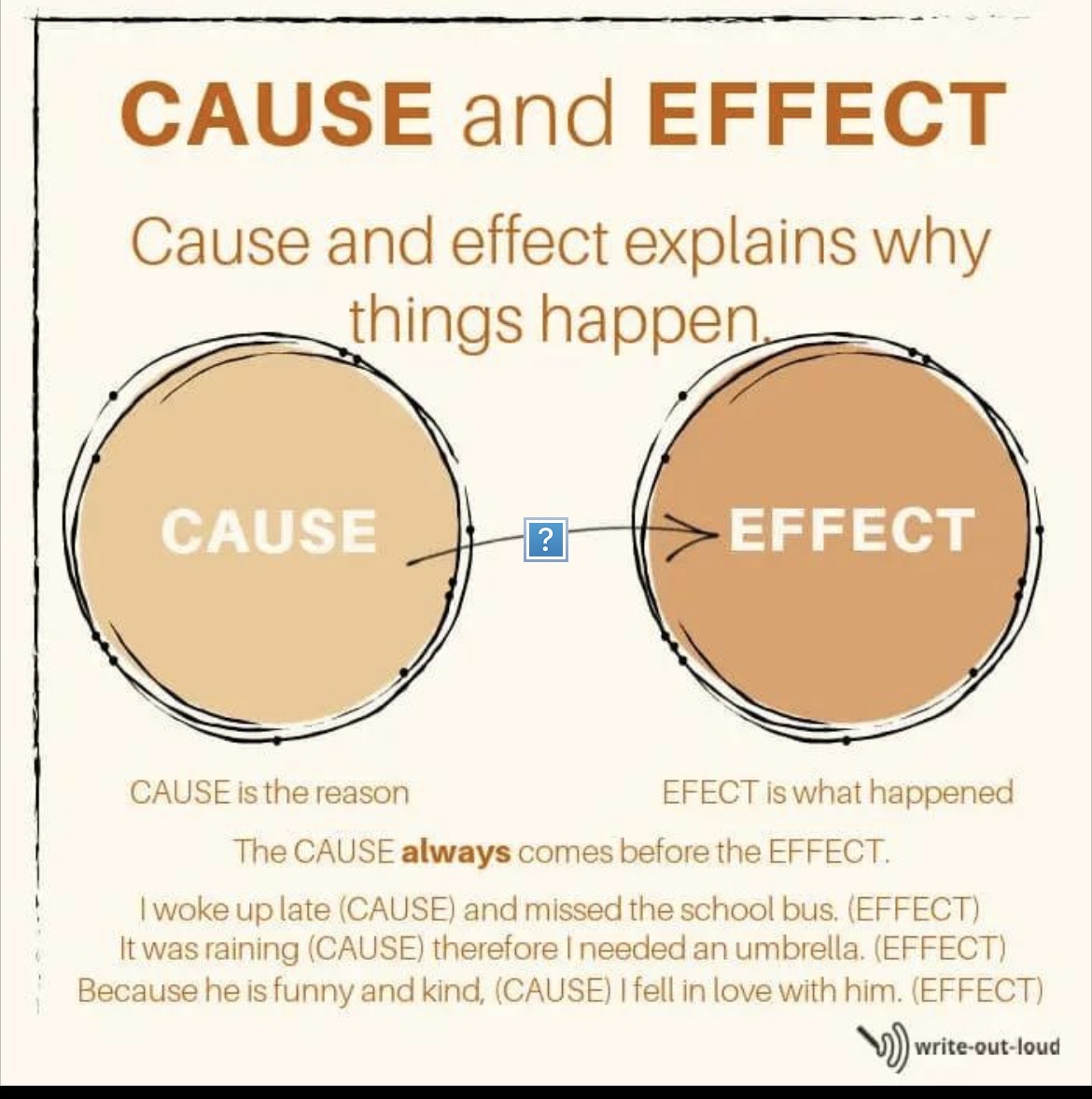
Causation means one thing directly causes another to happen.
👉 It answers: “Is this the reason that happened?”
Forex example:
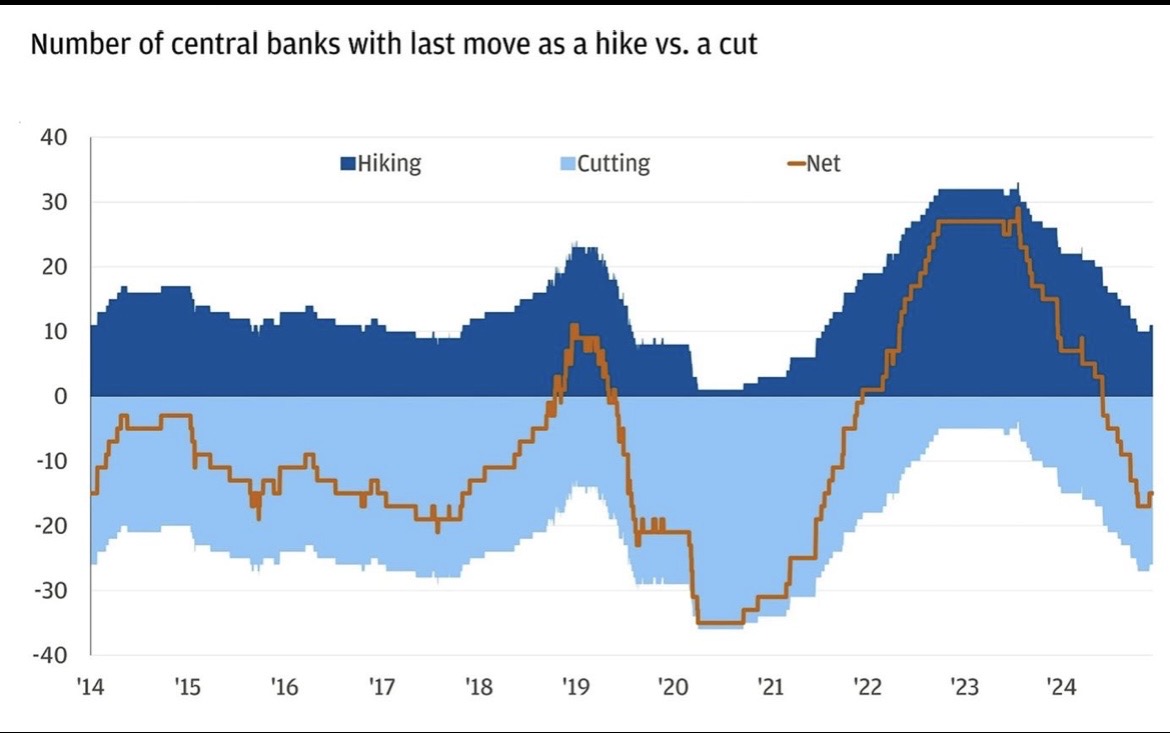
An interest rate hike by a central bank can cause a currency to strengthen. That’s a direct cause-and-effect relationship.
Causation implies that one variable directly influences or causes a change in another. While correlation can suggest a potential causal relationship, it does not prove one.
Key Difference (Straight to the Point)
Correlation = Relationship (they move together)
Causation = Reason (one makes the other happen)
Why This Matters in Trading
Many traders confuse correlation for causation
Just because two pairs move together doesn’t mean one predicts the other
Relying on correlation alone can lead to false confidence and bad trades.
Trader Insight
Smart traders:
Use correlation for confirmation, not prediction
Look for real drivers (news, fundamentals) to identify causation
Avoid assuming “this moved, so that must move too”