
H
Samuel
@headies25284
Financial analysts and educator
17 Followers
0 Following
Your primary responsibility as a trader is to preserve your capital, not to chase the idea of doubling or tripling it. Forex is not gambling, and it should never be treated as such.
Before entering any trade, the right question to ask is not “How much can I make if this works?” but rather “How much am I willing to lose if this goes against me?” This is the mindset that separates consistently profitable traders from the rest.
If the potential loss on a trade is large enough to significantly impact your account, then that trade should be reconsidered or reduced. Risk must always be proportional and controlled.
At the core of trading is this principle: capital is your fuel. Once it is gone, there is no opportunity to participate in the market.
I’m really excited about this topic, and it’s unfortunate that it doesn’t get discussed enough in the forex space. Capital preservation is one of the most important concepts for every trader.
First, I want to emphasize something many people overlook: the primary responsibility of a trader is not actually to make money. I know that might sound counterintuitive, but it’s the truth. The real priority of a trader is to protect and preserve capital
That said, it’s important to stay cautious—news doesn’t always follow technical expectations. Sometimes it causes sharp deviations, liquidity grabs, or temporary spikes before price resumes the underlying trend.
So while technical structure and higher timeframe bias can help you form an educated expectation of direction, it should never be treated as certainty. The best approach is to combine both:
* Use higher timeframe structure to define bias
* Treat news as a volatility event, not a predictable outcome
* Always manage risk, because surprises are part of the market
In short, technicals can guide your expectations, but news ultimately confirms nothing—it only reveals how strongly the market wants to move in a given direction at that moment.
There’s no way to know forex news outcomes before they are released. However, over time I’ve noticed that with strong technical analysis, you can sometimes anticipate the likely direction of the reaction.
In many cases, news tends to align with the broader market structure, especially on higher timeframes like the weekly and monthly charts. When a strong trend is already established, fundamental releases often act more like a catalyst rather than a reversal trigger.
.
Honestly, I can relate to that mindset of being 100% certain—it’s usually a recipe for disaster in trading. I’ve been there myself more than once. There was a time I entered a trade convinced it would go my way no matter what, and I even added two more positions on top of it. The outcome didn’t need much explanation.
What I’ve learned since then is that trading doesn’t reward certainty—it rewards discipline. The most important approach is to define your risk beforehand, trust your edge, and execute it consistently whenever your setup appears, without emotional attachment to the outcome.
.
The spread is essentially the cost you pay to enter any trade—it acts as your built-in entry fee every time you participate in the market. Because of this, the smaller the spread, the better it is for the trader, as it reduces your initial cost and allows your trade to move into profit more quickly. Wider spreads, on the other hand, increase your trading cost and can make it harder to achieve consistent profitability, especially for short-term traders.
I don’t think that timeframe is really realistic. Even after three years, there’s still a chance he could be struggling. Profitability in trading goes far beyond charts, screens, and available tools.
My honest advice is that he should first learn to master himself. Trading has a way of revealing who you truly are—it exposes your habits, emotions, and discipline. Without actively working on self-improvement, consistent results will remain difficult, no matter how many years are spent in the market.
In addition, stocks tend to offer more sustained trends, allowing traders to hold positions longer and maximize moves without constant whipsaws. For this reason, many traders find stocks easier to understand, more stable to trade, and ultimately more consistent in delivering profitable opportunities when combined with proper risk management and discipline.
From my perspective, stocks tend to be more profitable than forex for many traders due to the more structured nature of the market. Stock markets generally produce smoother and more predictable trends, which makes it easier to identify direction and navigate price action with confidence.
Unlike forex, which can often be noisy and heavily influenced by sudden macroeconomic shifts across multiple currencies, stocks are more driven by company-specific fundamentals and broader market sentiment. This creates clearer movement patterns and reduces a lot of the randomness traders often struggle with in forex.
How do you do it? I honestly don’t use it and don’t really like it. For me, TradingView is the best platform, and I believe that’s what most traders also rely on for analysis. I do all my charting, market structure analysis, and decision-making on TradingView, while I only use MT5 strictly for trade execution. Keeping analysis and execution separate helps me stay more organized and focused in my trading process.
We are now very close to the take-profit zone on this trade. The entire setup was based on a simple and structured process. There was clear timeframe alignment, with the weekly and daily charts both showing bullish momentum. The 4-hour timeframe provided the CRT model, and the 1-hour timeframe delivered the final confirmation for entry.
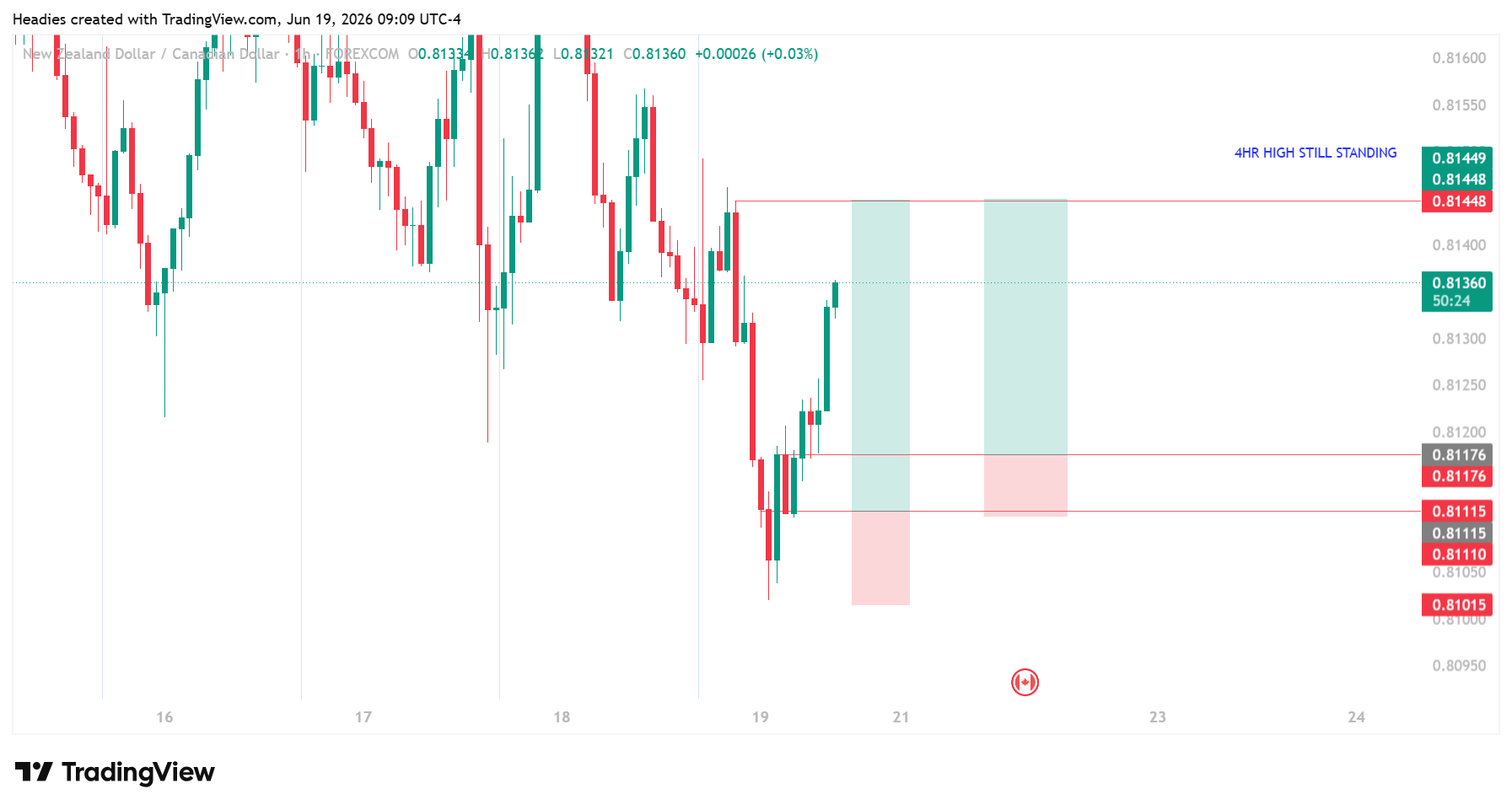
Trading tools actually enhance accuracy rather than create overconfidence. In my view, they don’t make a trader reckless; instead, they improve clarity, structure, and decision-making when used correctly. Personally, these tools have played a major role in making me a better and more disciplined trader. Platforms like Trading View, in particular, have been a significant blessing to my trading journey, helping me analyze markets more efficiently, refine my entries, and stay consistent with my strategy over time.
The momentum is currently building at the moment, with price starting to push in my favor. The 4-hour high remains the key take-profit target. One important aspect of the SLK strategy is that it requires patience and discipline to be truly effective, as timing and waiting for confirmation play a major role in its success.
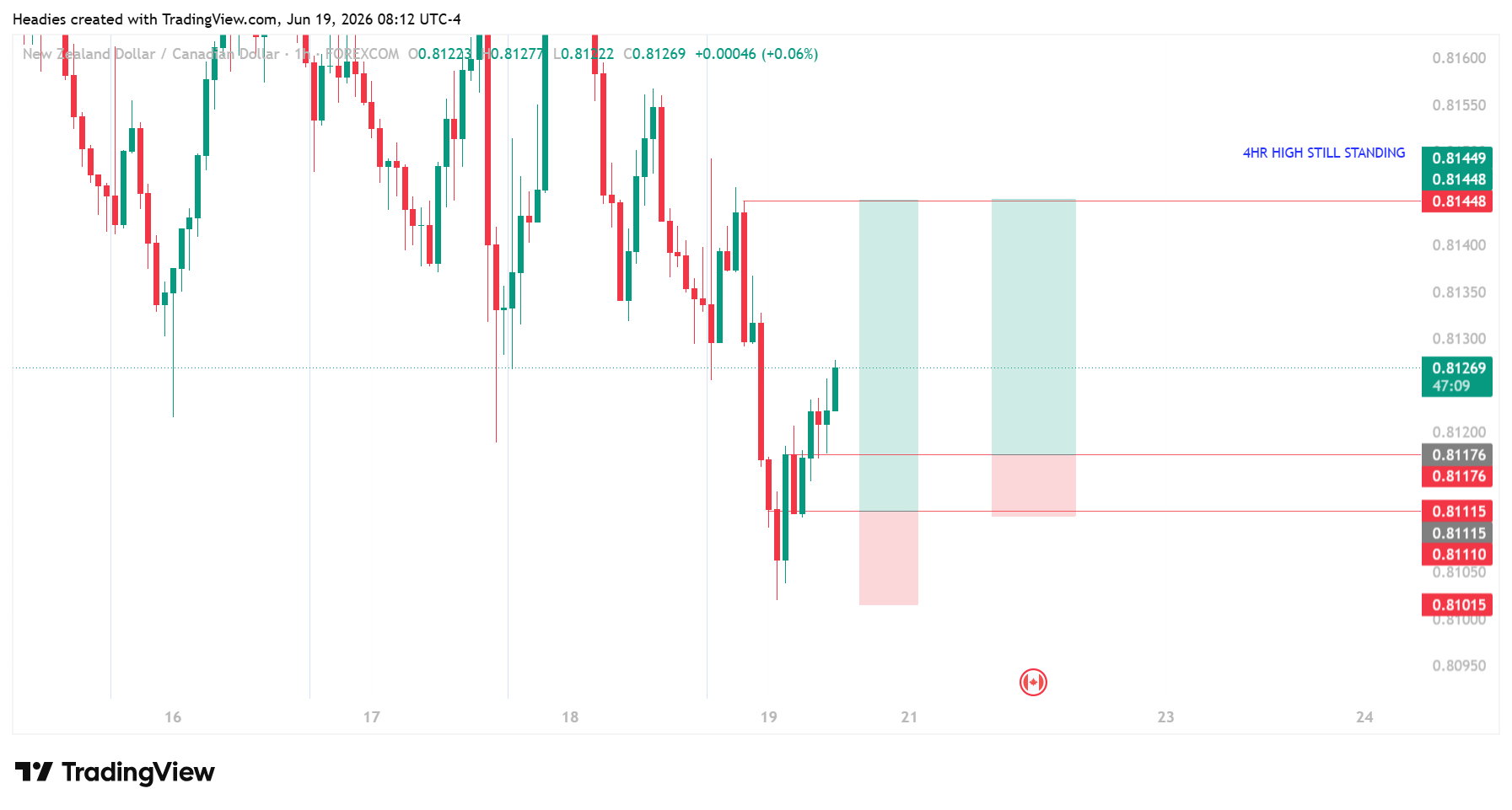
I’m not really focused on whether trading is a zero-sum game or not. What matters to me is simply being profitable, and that can’t happen without discipline and structure.
Sustainable results come down to following the core rules: proper risk management, trading in alignment with the prevailing market trend, and developing strong emotional control. Without these, consistency becomes difficult, no matter how good the strategy looks on paper.
I also like using lower-timeframe confirmations, especially on the 1-hour and 30-minute charts. However, the challenge with confirmation is that you’ll almost always find one—regardless of the direction you intend to trade.
The most important factor is identifying the overall market trend. A confirmation signal that goes against the prevailing trend may still look valid technically, but it has a much higher probability of ending in a losing trade.
Trend first, confirmation second.
The discussion on risk management is one that every trader should pay close attention to, especially those who already have a solid understanding of technical analysis and have learned to manage their emotions. Despite mastering these areas, neglecting proper risk management can keep you stuck in the same place or trapped in a cycle of inconsistent results. It is frustrating to put in the work, make good trading decisions, and still see little or no progress because poor risk management prevents your account from growing. Ultimately, consistent profitability is not validated by good entries alone—it is reflected in your ability to preserve capital and make regular withdrawals.
Showing 20 of 100+ replies.
Log in to see all replies
Pinned