Crypto Taxes in Nigeria: What Counts, How to Track It, and Why Ignoring It Can Cost You Big
Think of Crypto Like a Toy You Bought
Imagine you buy a toy for ₦10,000. Later you sell it for ₦25,000. You made ₦15,000 profit. The government says, “Nice! Pay tax on that profit.” Crypto works the same way. The government now treats Bitcoin, Ethereum, USDT, NFTs, and other digital coins like property or assets.
From 2026, Nigeria has clearer rules under the new tax laws. Profits from crypto are taxable. Exchanges must link your transactions to your TIN (Tax Identification Number) and NIN (National ID). They report data to the Nigeria Revenue Service. The blockchain is public, so hiding is very hard.
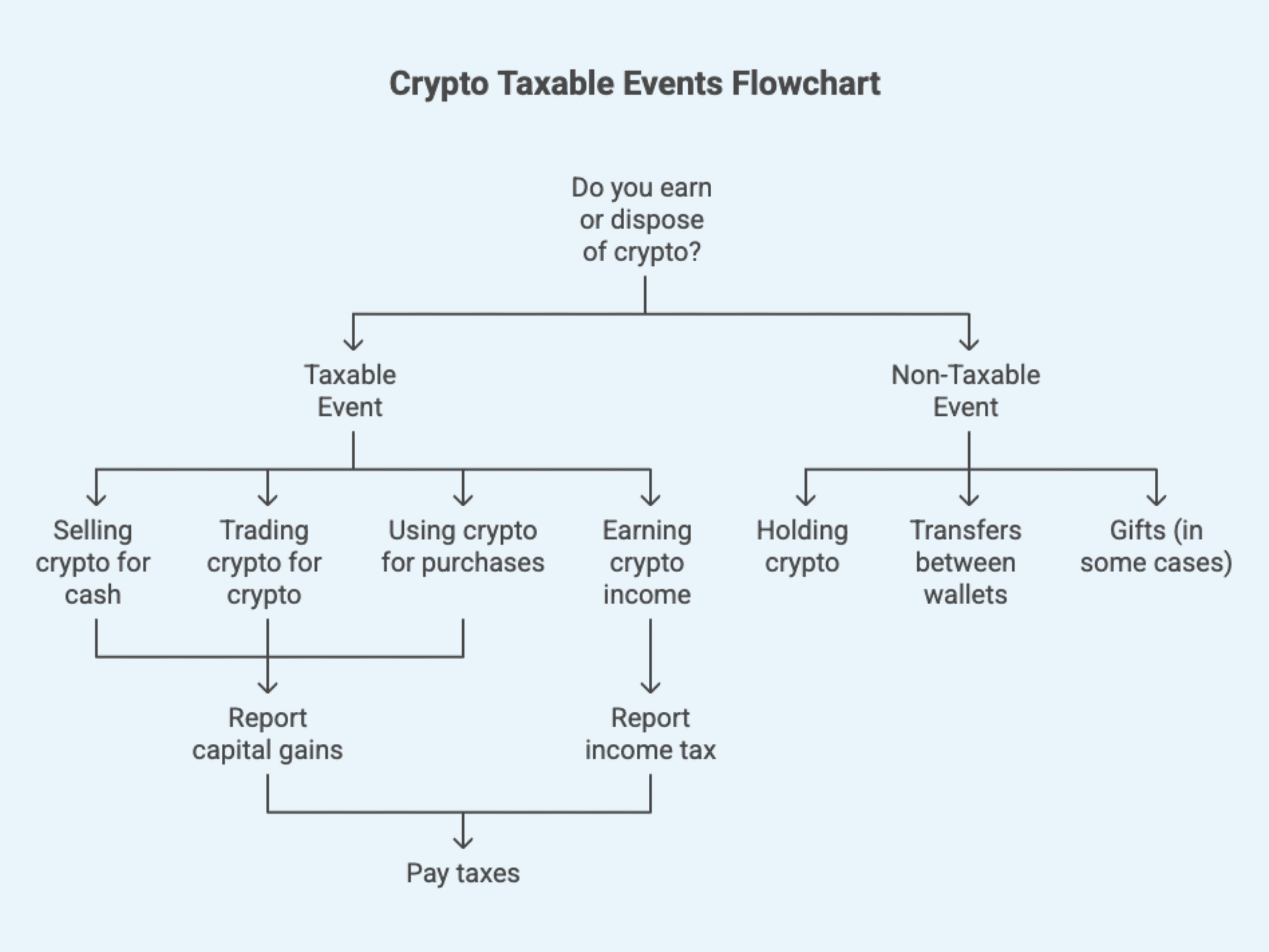
What Counts as a Taxable Event? (The Moments You Owe Tax)
Not everything triggers tax. Here are the main ones, explained simply:
You sell crypto for naira or dollars → Tax on the profit.
You trade one crypto for another (Bitcoin to Ethereum) → Yes, tax! It's like selling the first one and buying the second.
You spend crypto to buy something (like a phone or pay rent) → Tax on the profit at that moment.
You earn crypto: staking rewards, DeFi yield, mining, airdrops, or getting paid in crypto → This is usually treated as income, like salary.
Receiving NFTs or tokens as gifts/rewards in most cases.
What does NOT usually trigger tax right away:
Just buying crypto with money and holding it.
Moving crypto between your own wallets (but keep records anyway).

How to Calculate Your Tax – Super Simple Example
Let’s say you bought 1 Bitcoin for ₦10 million (including fees). Later you sell it for ₦18 million.
Your cost basis = what you paid (₦10m) + any fees.
Profit = ₦18m – ₦10m = ₦8m.
You pay tax on that ₦8 million profit.
The tax rate can be up to 25% on chargeable gains (profits) depending on your total income bracket. Some income from crypto may fall under personal income tax rates. Losses can sometimes offset gains (tax loss harvesting), which saves you money.
Always use the fair market value (price at the exact time of the transaction) in naira.
Record-Keeping: Your Most Important Job
You must track everything:
Date of every buy, sell, trade, or earn
How much you paid (cost basis)
The price in naira at that exact time
Fees paid
Wallet addresses or exchange records
Exchanges give some reports, but they miss DeFi, on-chain swaps, and private wallet moves. Use a spreadsheet or better, automatic tools like Koinly, CoinTracker, or CoinLedger. These connect to your wallets and exchanges and create tax reports for you.
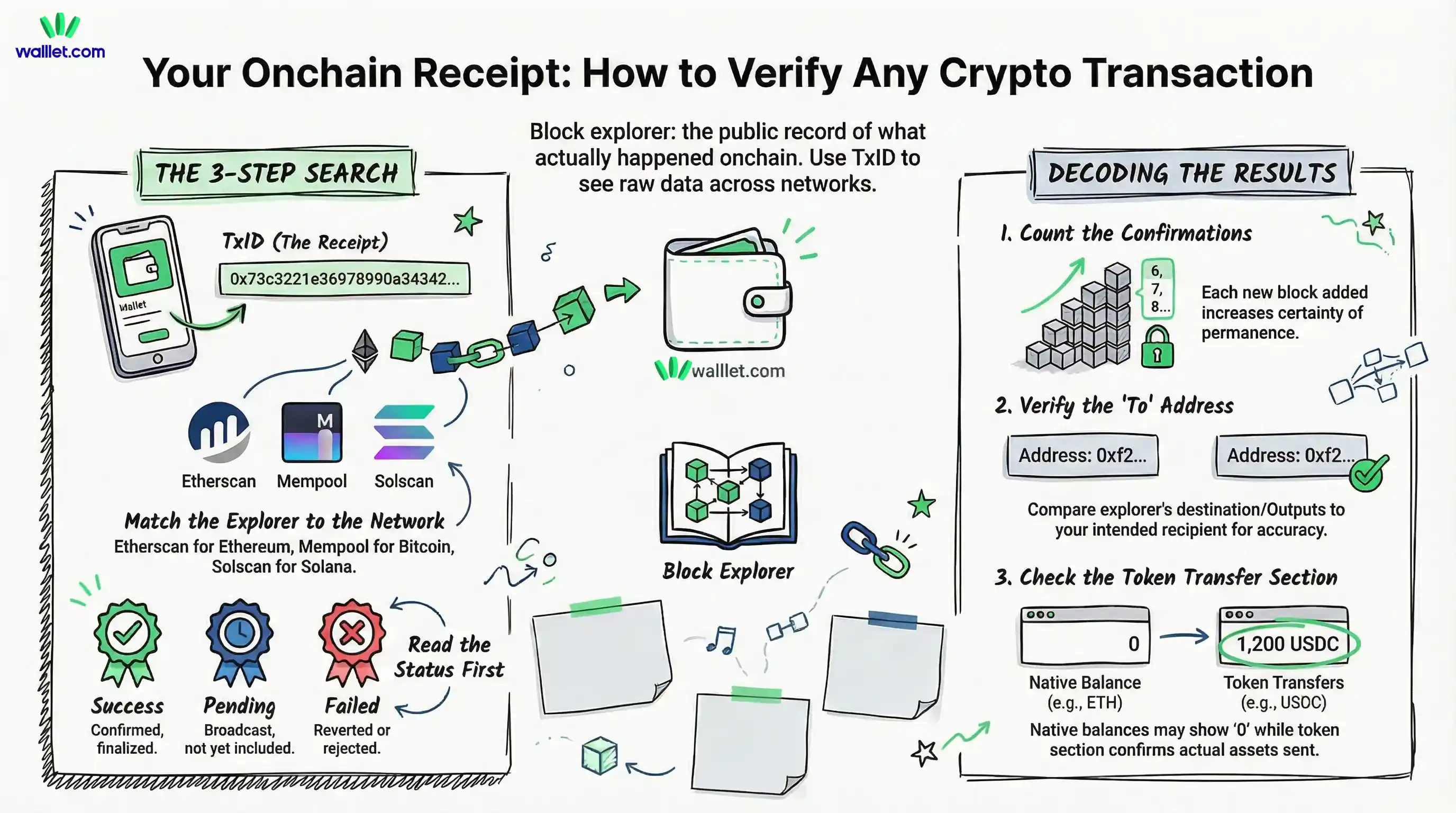
The Blockchain Is Like a Public Diary
Every transaction is written forever on the blockchain. Anyone (including tax officers) can see the flow of coins using explorers like Etherscan or BscScan. When you cash out on an exchange, they already know your identity through KYC. So “no one can track it” is not true anymore.
The Hidden Cost of Not Doing It
If you ignore taxes:
You can get audited.
Pay penalties and interest (sometimes big fines).
In serious cases, face legal trouble.
VASPs (exchanges) face up to ₦10 million fines plus monthly penalties for not reporting properly.
Many people think “I’ll sort it later” and end up with a huge unexpected bill that eats all their profit or more.