Market Structure in Forex for Beginners: The Foundation You’re Probably Missing
One of the most underrated and beginner-friendly topics in forex is:
Market Structure (Price Action Basics)
Most beginners skip this and jump straight into indicators—but this is the foundation everything else sits on.
Why it’s underrated
People are chasing “magic indicators” or bots, but market structure is what actually moves price. It’s simple, visual, and works across all pairs and timeframes.
What it means (in simple terms)
Market structure is just understanding how price moves:
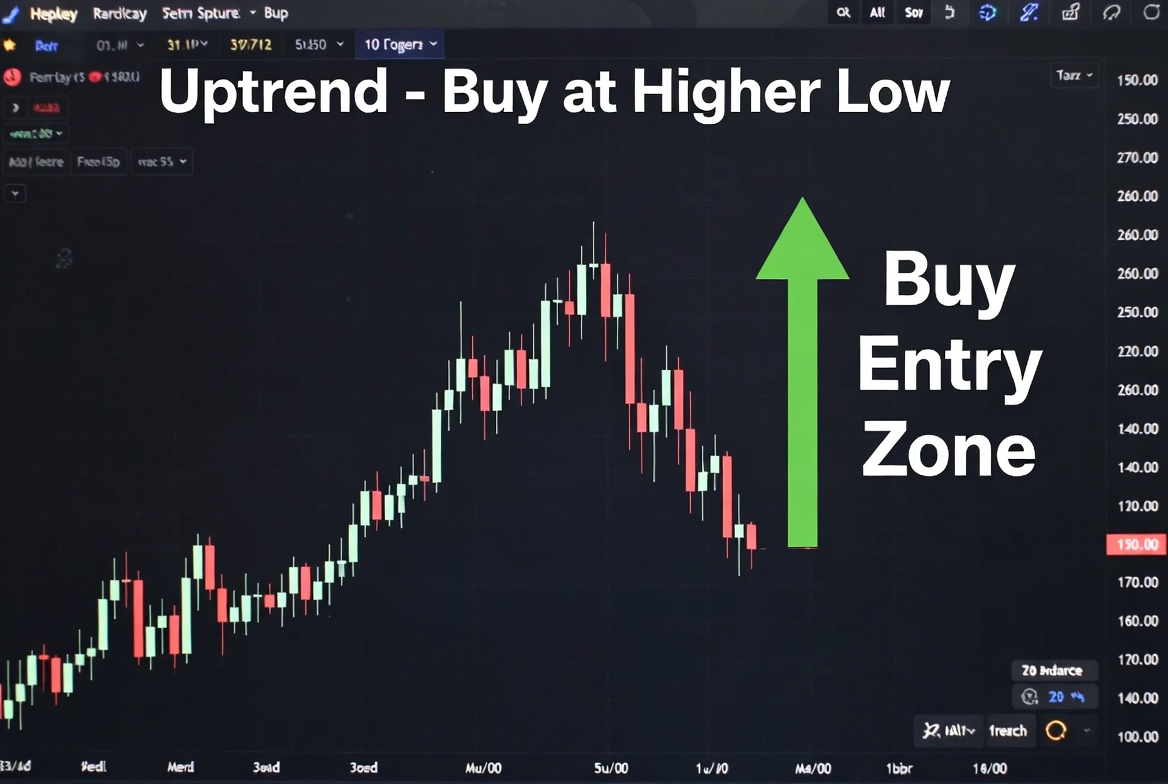
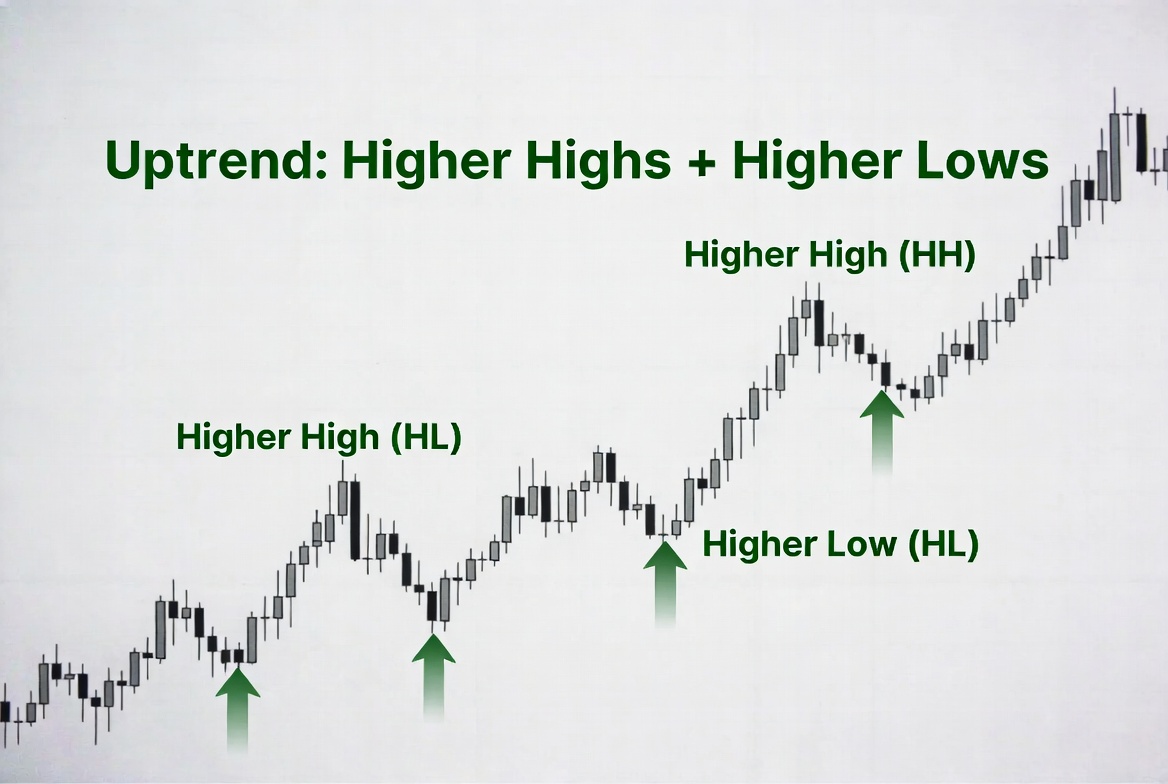
Uptrend → Higher Highs (HH) + Higher Lows (HL)
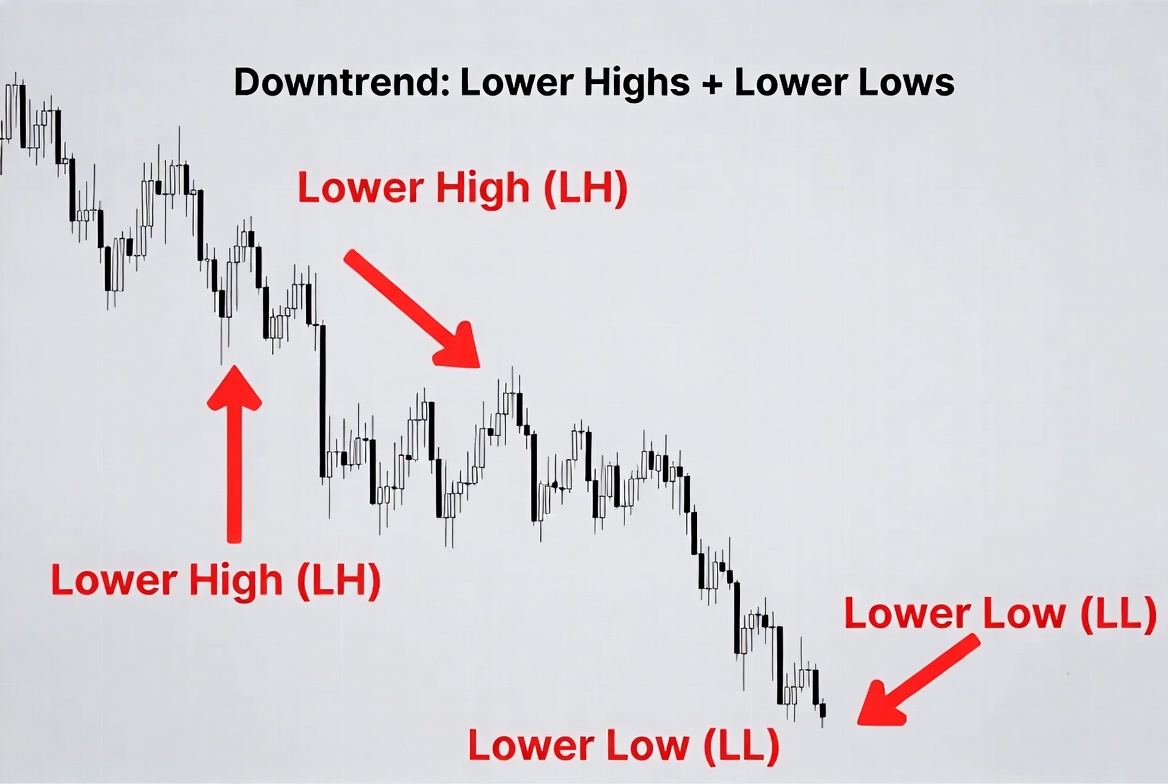
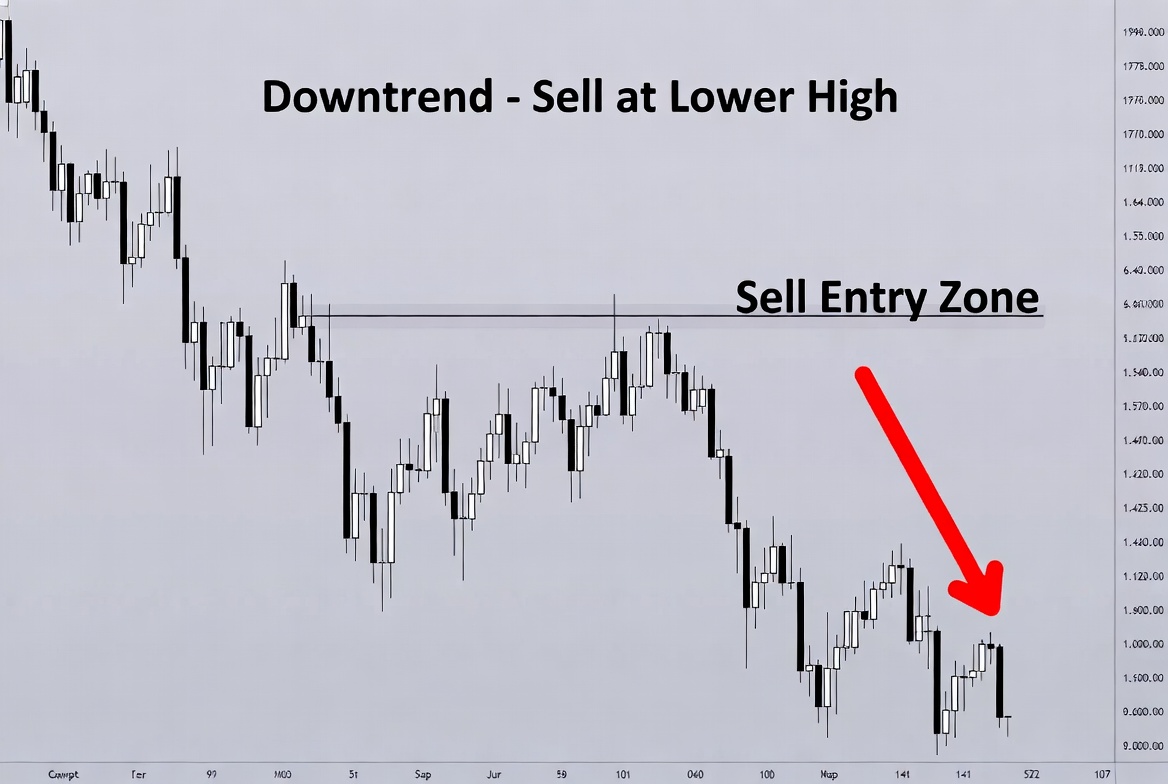
Downtrend → Lower Highs (LH) + Lower Lows (LL)
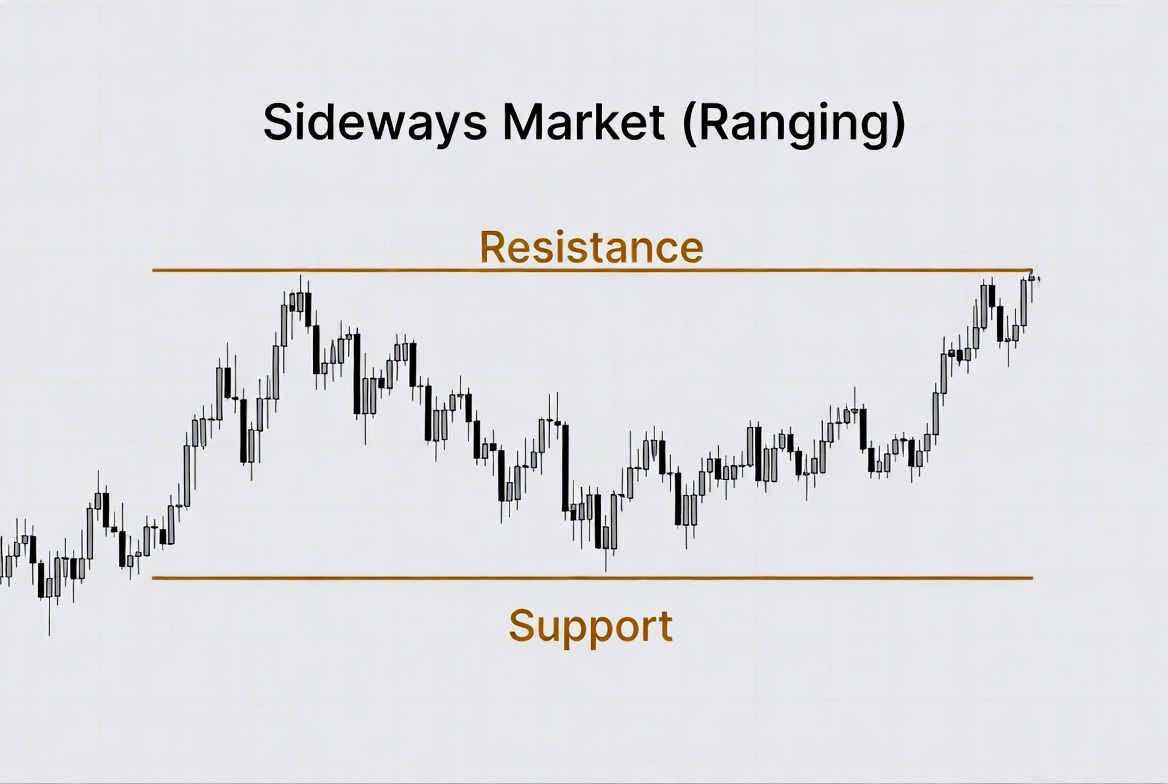
Sideways → Price ranges between support and resistance
That’s it. No complexity.
Why it’s beginner-friendly
You don’t need indicators
You can see it clearly on the chart
It helps you avoid bad trades instantly
It builds real trading intuition
How beginners can use it immediately
1. Identify trend first
Don’t trade blindly
Ask: “Is price going up, down, or sideways?”
2. Trade with the trend
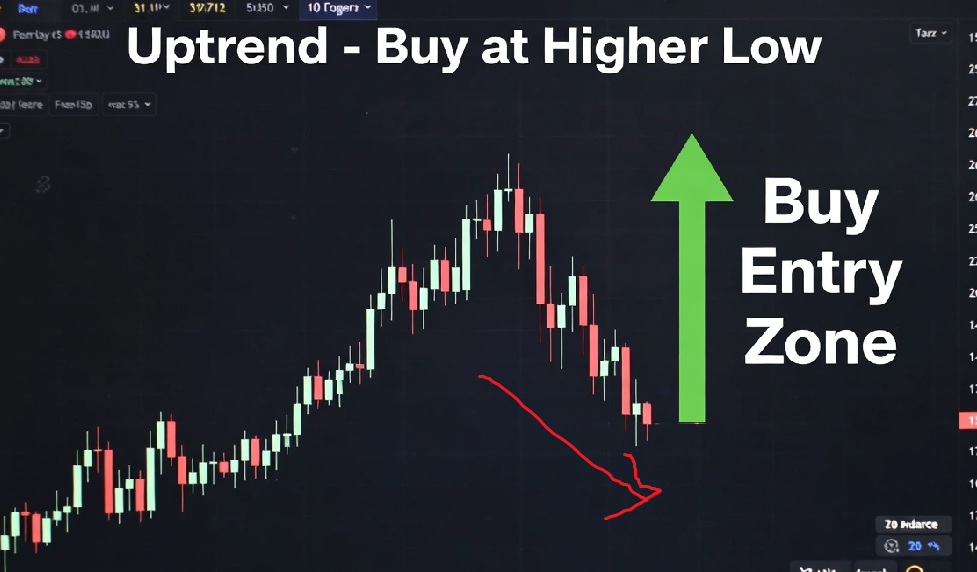
Uptrend → look for buys
Downtrend → look for sells
3. Use structure for entries
Wait for pullbacks (not random entries)
Enter at higher low (uptrend) or lower high (downtrend)
Why this alone can make money
Even without indicators:
You avoid fighting the market
You improve timing
You reduce unnecessary trades
Most losing traders ignore this and overcomplicate things.
Real truth (important)
If you master:
Market structure
Risk management
You’re already ahead of 70–80% of forex beginners.