Taking Full Control of Your Crypto, Self-Custody and Seed Phrase Basics

Imagine you have some money. If you keep it in someone else's pocket, they can spend it, lose it, or refuse to give it back. In crypto, the same thing happens when you leave your coins on an exchange like Binance or Coinbase. Those platforms hold the "keys" to your money. If the exchange gets hacked, goes broke (like FTX or Mt. Gox did), or gets shut down by rules, your crypto can disappear or get locked for a long time.

Not your keys, not your crypto.

This simple saying means: If you do not control the private keys to your coins, you do not truly own them. The exchange owns the keys, so they control the money.

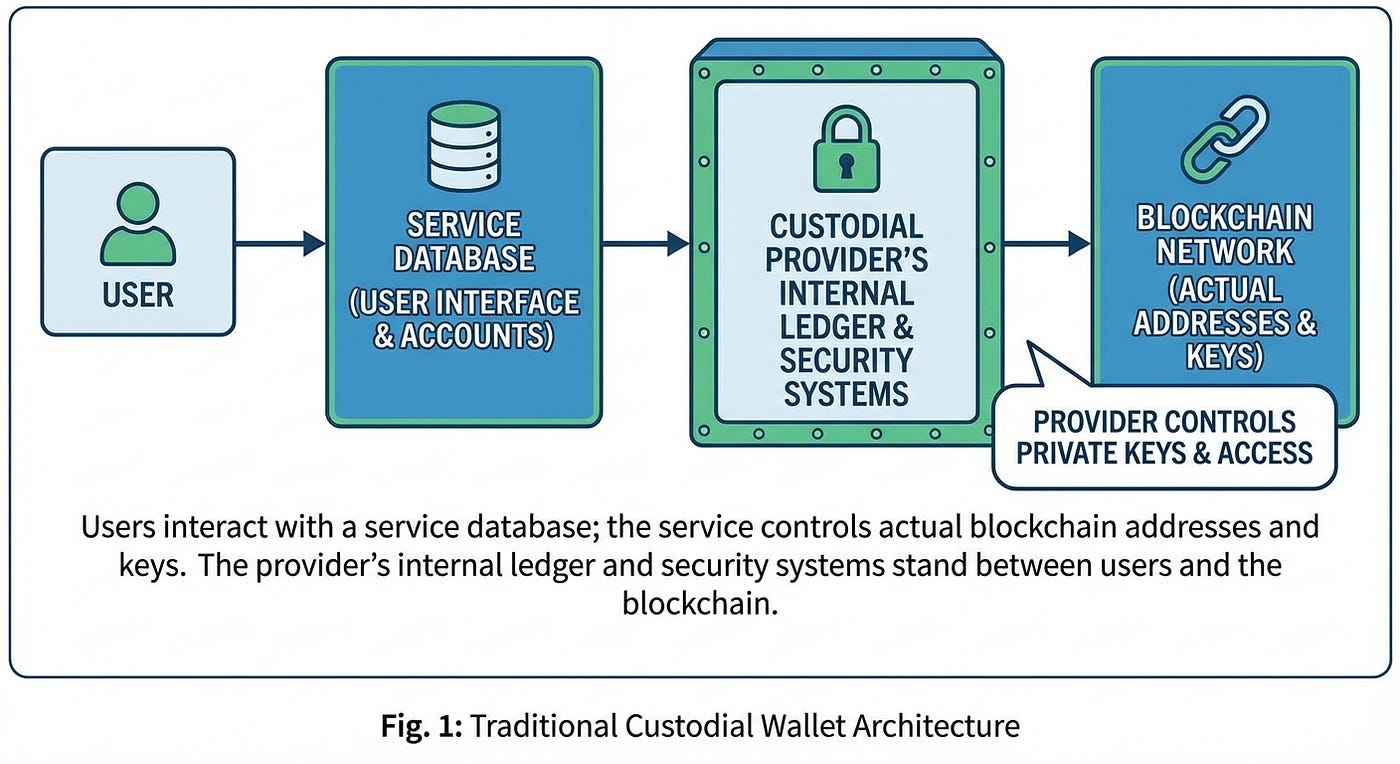
Here is a clear picture of the difference:

On the left (custodial/exchange), the company controls everything behind the scenes. On the right (self-custody), you hold the key and full control.

G
@godswillfx - 5 hours ago

What is Self-Custody?

Self-custody means you move your crypto off the exchange into a wallet that you control.

Small amounts for daily use: A simple phone app (software wallet).

Bigger amounts you want to keep safe for years: A hardware wallet (a small device like a USB stick).

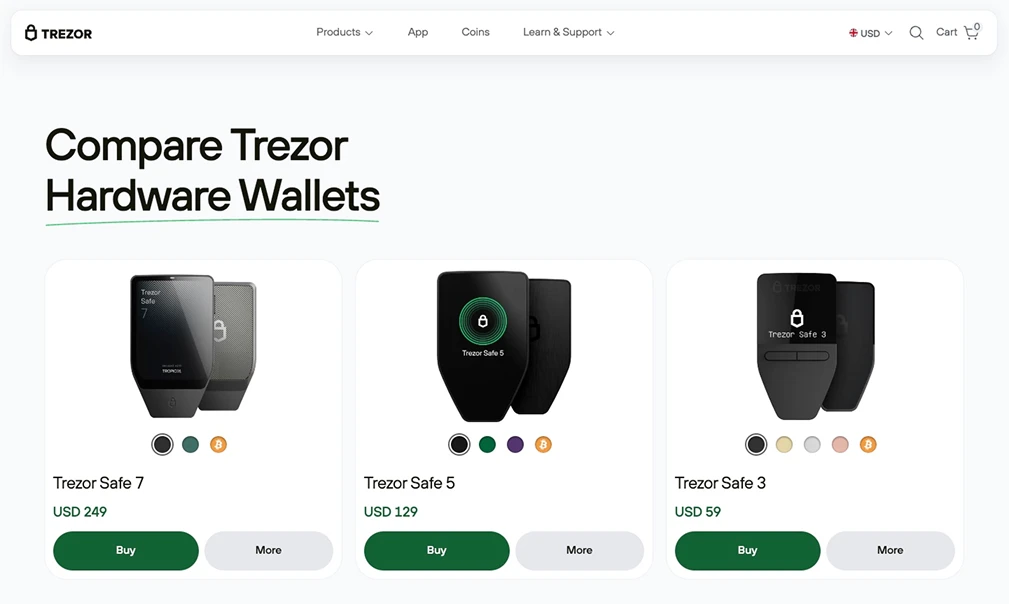
Popular hardware wallets include Ledger and Trezor. They keep your keys completely offline, away from hackers on the internet.

Here is what hardware wallets look like:

G
@godswillfx - 5 hours ago

The Most Important Part: Your Seed Phrase (The Master Key)

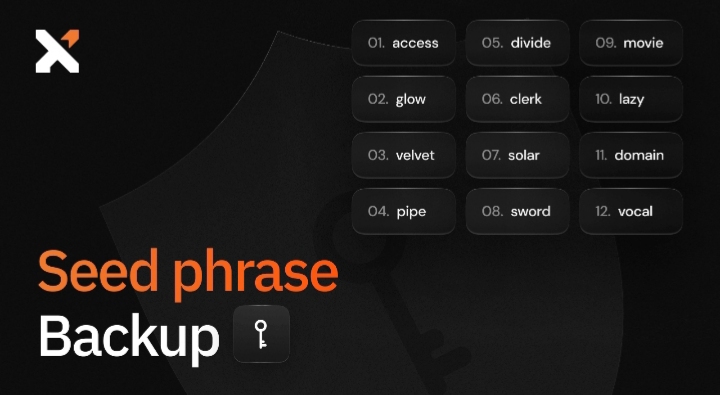
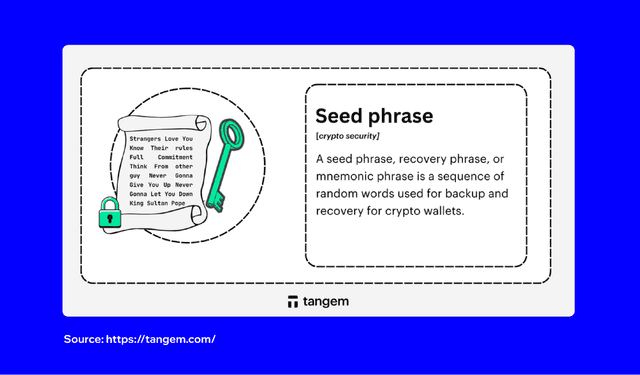
When you create a new wallet, it gives you a list of 12 or 24 random words. This is called the seed phrase or recovery phrase.

These words are like the only key to your safe. They can recreate your entire wallet and all your crypto on any device.

Example of what a seed phrase looks like:

G
@godswillfx - 5 hours ago

How to Store Your Seed Phrase Safely (Like a Grown-Up)

Paper is okay for testing, but it can burn in a fire, get wet, or fade.

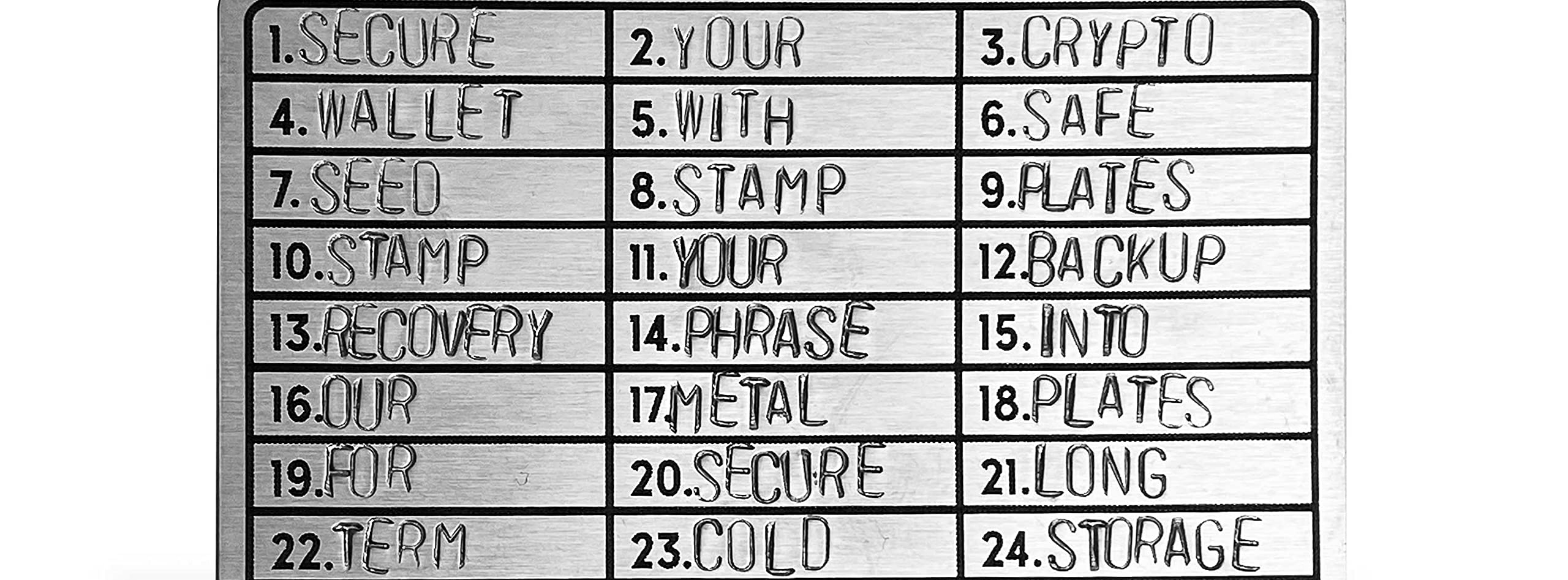
Better choice: Stamp or engrave the words on a metal plate. Metal survives fire, water, and time much better.

Here are real examples of metal seed phrase backups:

G
@godswillfx - 5 hours ago

Best rules for storage:

Make 2 or 3 copies.

Store them in different safe, hidden places (not all in one house).

Never store the words digitally.

You can split the phrase across locations if you want extra safety, but understand how it works first.

Extra Safety: Multi-Signature (Multisig) Wallets

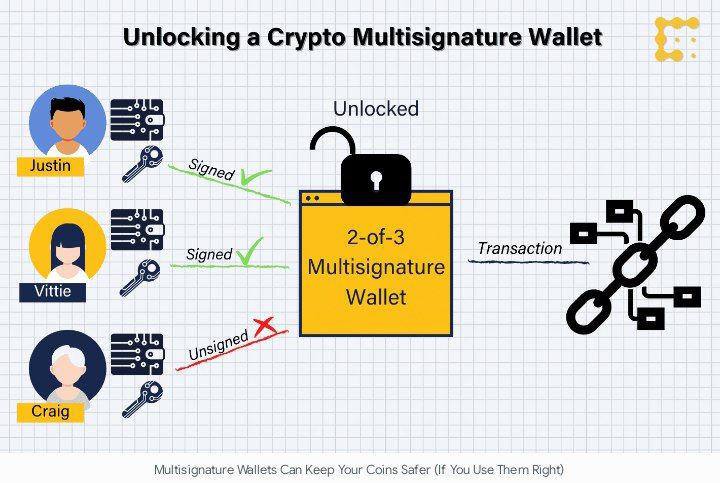
For very large amounts, use a multisig wallet. It needs more than one key to move money.

Example: 2-of-3 means any 2 out of 3 people (or devices) must agree before sending crypto.

Simple diagram of how multisig works:

G
@godswillfx - 5 hours ago

This makes it much harder for one thief or one lost key to steal everything.

Common Mistakes That Cost People Everything

Typing the seed phrase on a fake website (phishing).

Believing a "support person" who asks for your words.

Losing the only copy of the seed phrase.

Thinking "recovery services" can help – most are scams.

Here is a simple warning image about protecting your seed phrase:

G
@godswillfx - 5 hours ago

Action Steps – Start Small and Practice

Buy a tiny bit of crypto (like $10–100 worth).

Send it to a new software wallet first.

Write down the seed phrase carefully.

Test recovery: Create a new empty wallet and type in the seed phrase to bring back the money. This proves your backup works.

Once comfortable, move to a hardware wallet for bigger amounts.

Always test small transfers first before sending large sums.

Do this practice with very small money. Treat it like learning to ride a bike, fall with training wheels, not with your life savings.

When you control your own keys, you become the real owner of your crypto. No bank, no exchange, no government can freeze it without your permission. That freedom is powerful, but it comes with responsibility: keep your seed phrase safe like it is the only key to your house.

Teach this to your community clearly. Many people lose money because they never learn these basics. Start with self-custody, and you will avoid most of the big "I lost my crypto" stories.

Stay safe out there.