What Makes Crypto Different from Regular Money
1. Immutability – Once Written, It Stays Forever
When you send crypto and the transaction gets enough confirmations, it's final.
No "sorry, I made a mistake" or "I want my money back." No chargeback like on your bank card.
Why this matters:
Good side: No one (not even governments or big companies) can easily censor or reverse your transaction.
Bad side: If you send to the wrong address or get scammed, the money is gone forever.
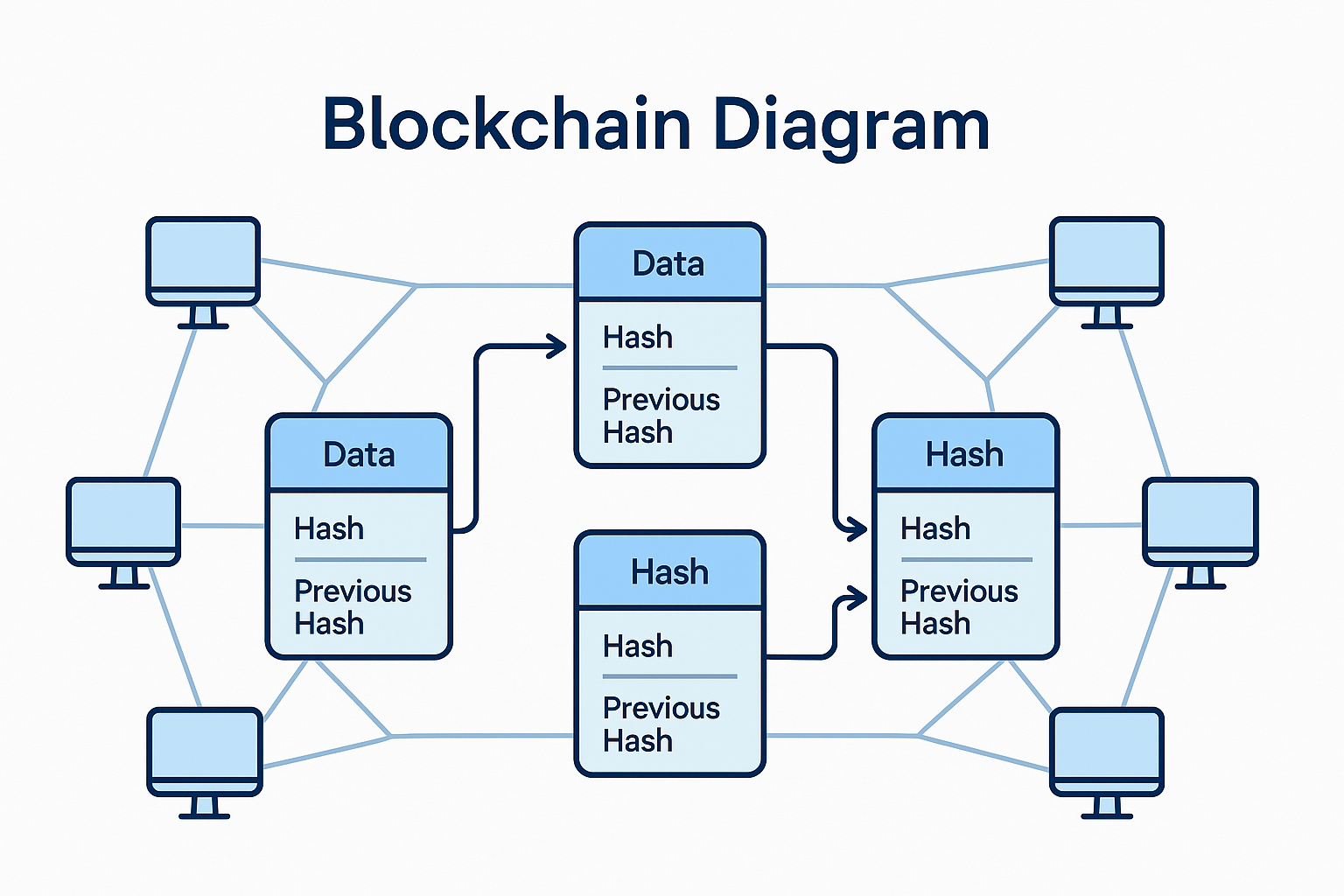
Here's how blocks are linked like a strong chain – change one, and everything breaks:
2. On-Chain Transparency – Everything Is Public (But Not Fully Anonymous)
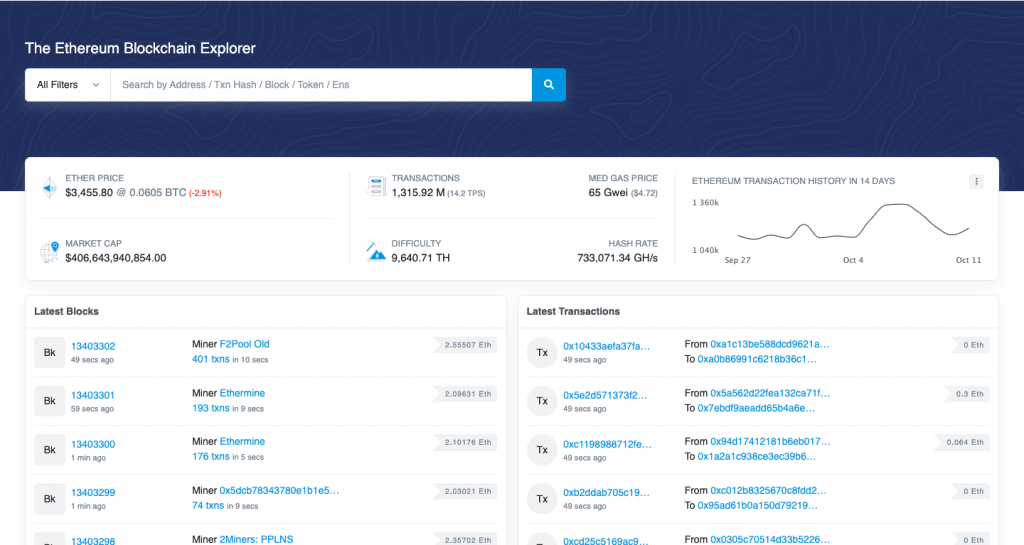
Every transaction is visible to anyone using a blockchain explorer (like Etherscan for Ethereum).
You can see:
How much was sent
From which address
To which address
When it happened
It looks like this:
The limit: Addresses are like nicknames (pseudonymous), not your real name. But if you ever send crypto from an exchange (where you did KYC with your ID), experts can often connect your name to the address. Privacy coins and mixers try to hide this, but regulators watch them closely.
3. Counterparty & Platform Risks: Not Everything Is Truly "Decentralized"
Many projects call themselves "DeFi" (decentralized finance), but they still have hidden weak points:
Bridges (used to move crypto between different blockchains) get hacked a lot, billions stolen.
Some "decentralized" apps still have a team that can upgrade or pause the contract.
Oracles (that bring outside data like prices) can be manipulated.
Centralized exchanges hold your coins like a bank if the exchange fails, your coins can disappear.
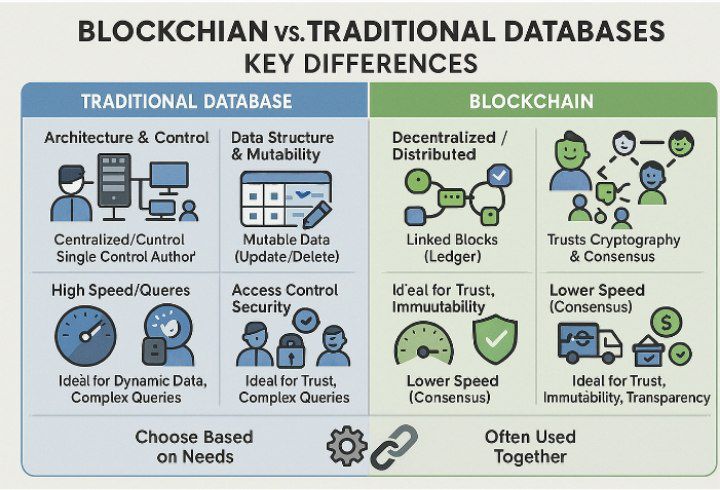
Here's the big difference between old banking systems and blockchain:

4. Other Important Things to Know
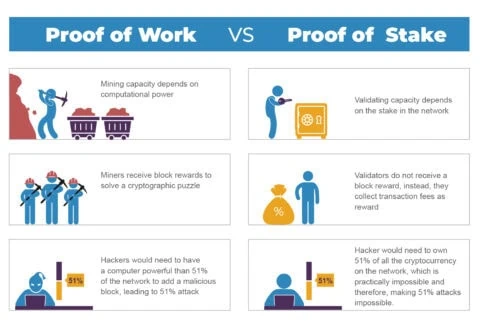
Proof of Work vs Proof of Stake: Bitcoin uses a lot of electricity (like many machines solving hard puzzles). Newer networks use "staking" (locking coins) which uses much less energy.
Simple comparison:
Audits: Always check if smart contracts were properly audited by experts. Even then, bugs can happen.
Simple Actionable Advice for Your Community
Before putting real money in any project:
Read the basic documents (don't just look at price or memes).
Check if it's audited.
Ask: Is this truly non-custodial (you hold the keys) or are they holding my coins?
Start small and test.
Remember: You're often your own bank now, be careful.