FUG MTL COMMUNITY πŸ¦…

E
@enoch06 - 1 month ago

Almost forget to drop Day 5

E
@enoch06 - 1 month ago

GmGm guys

D
@de_josh1 - 1 month ago

Good day everyone

D
@de_josh1 - 1 month ago

Day 6

E
@enoch06 - 1 month ago

Day 6

D
@de_josh1 - 1 month ago

Good morning everyone

Day 7

E
@enoch06 - 1 month ago

Gm gm guys

E
@enoch06 - 1 month ago

Good evening guys

S
@stevmega - 1 month ago

Hello guys

S
@stevmega - 1 month ago

How are we doing today

S
@stevmega - 1 month ago

Okay we are going to have a brief conversation this night

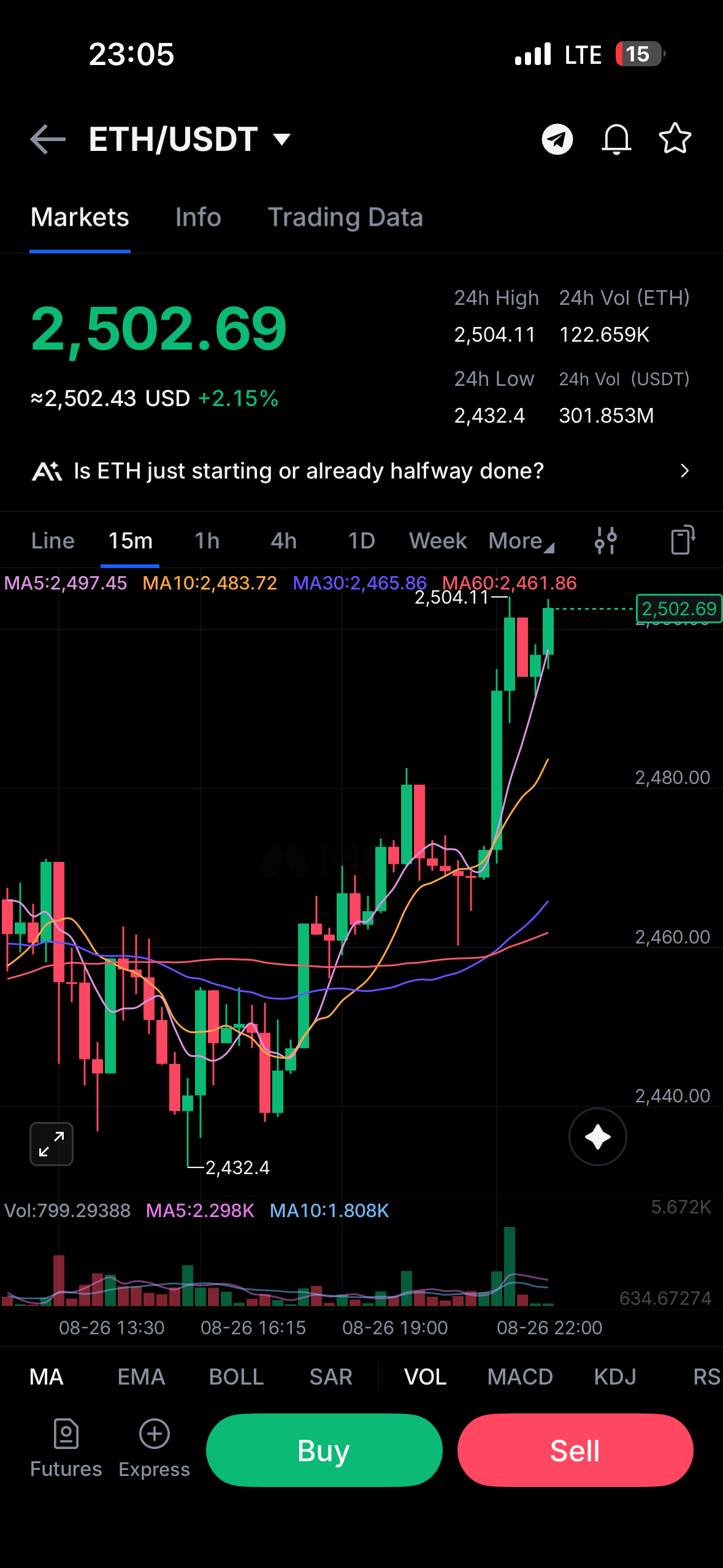
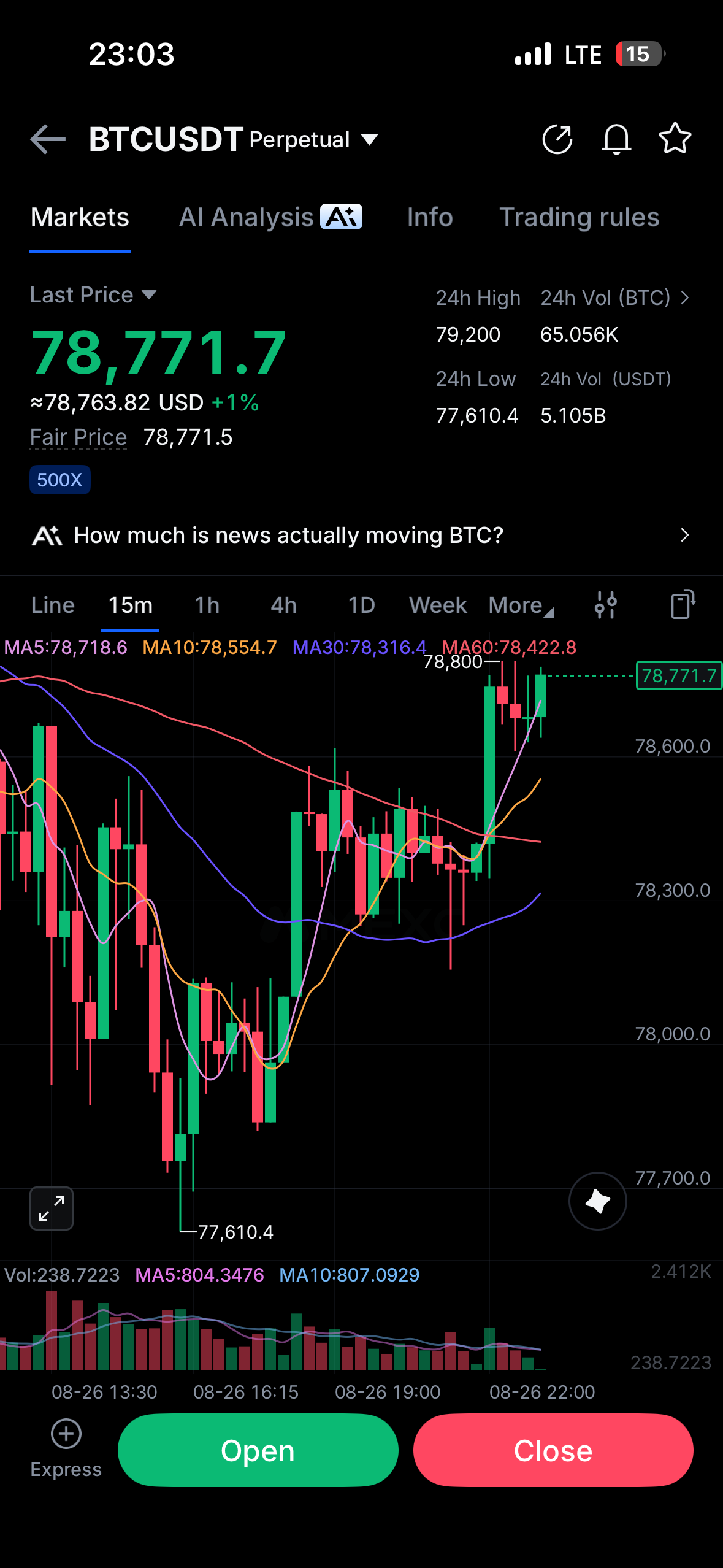
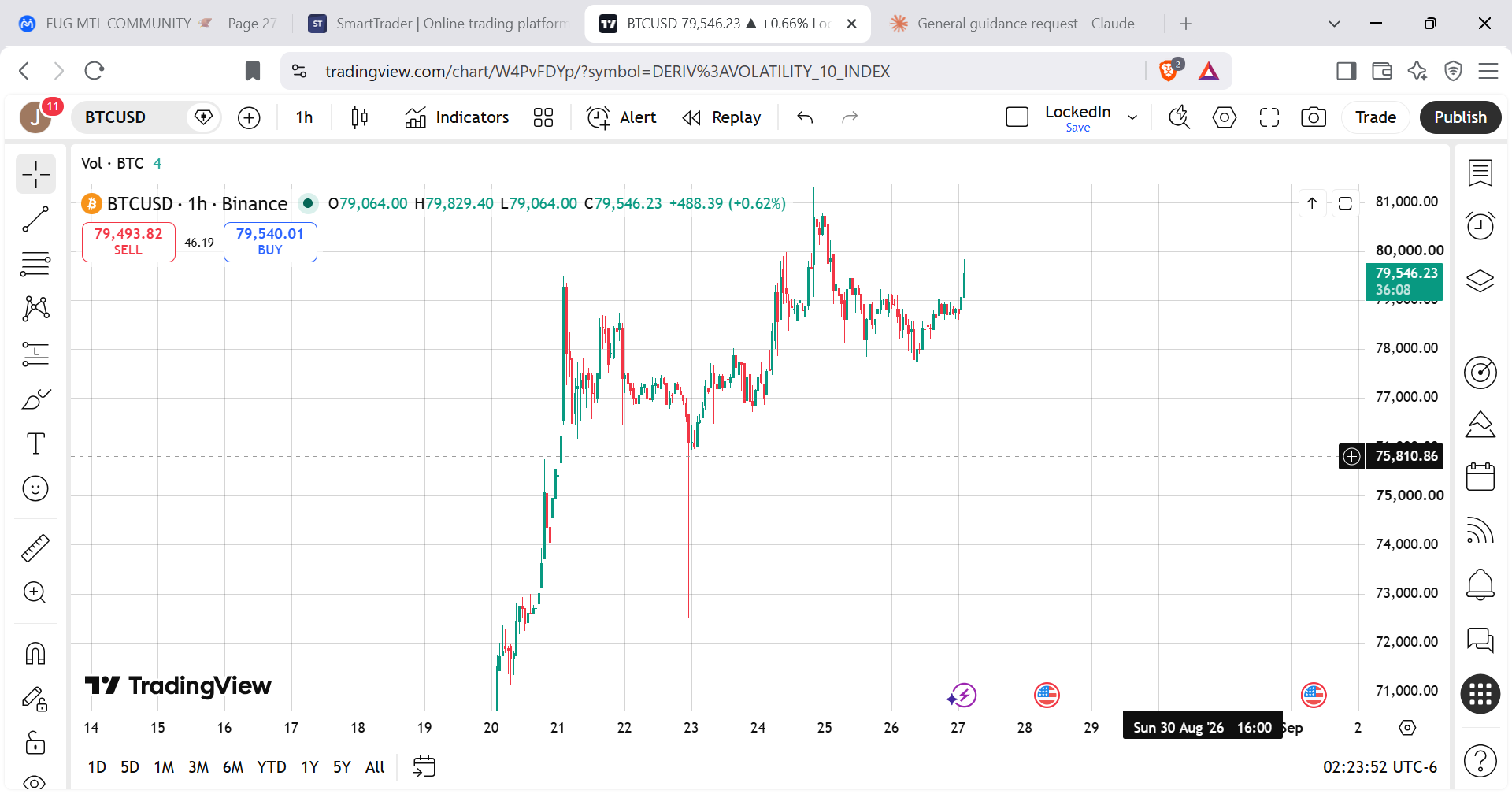
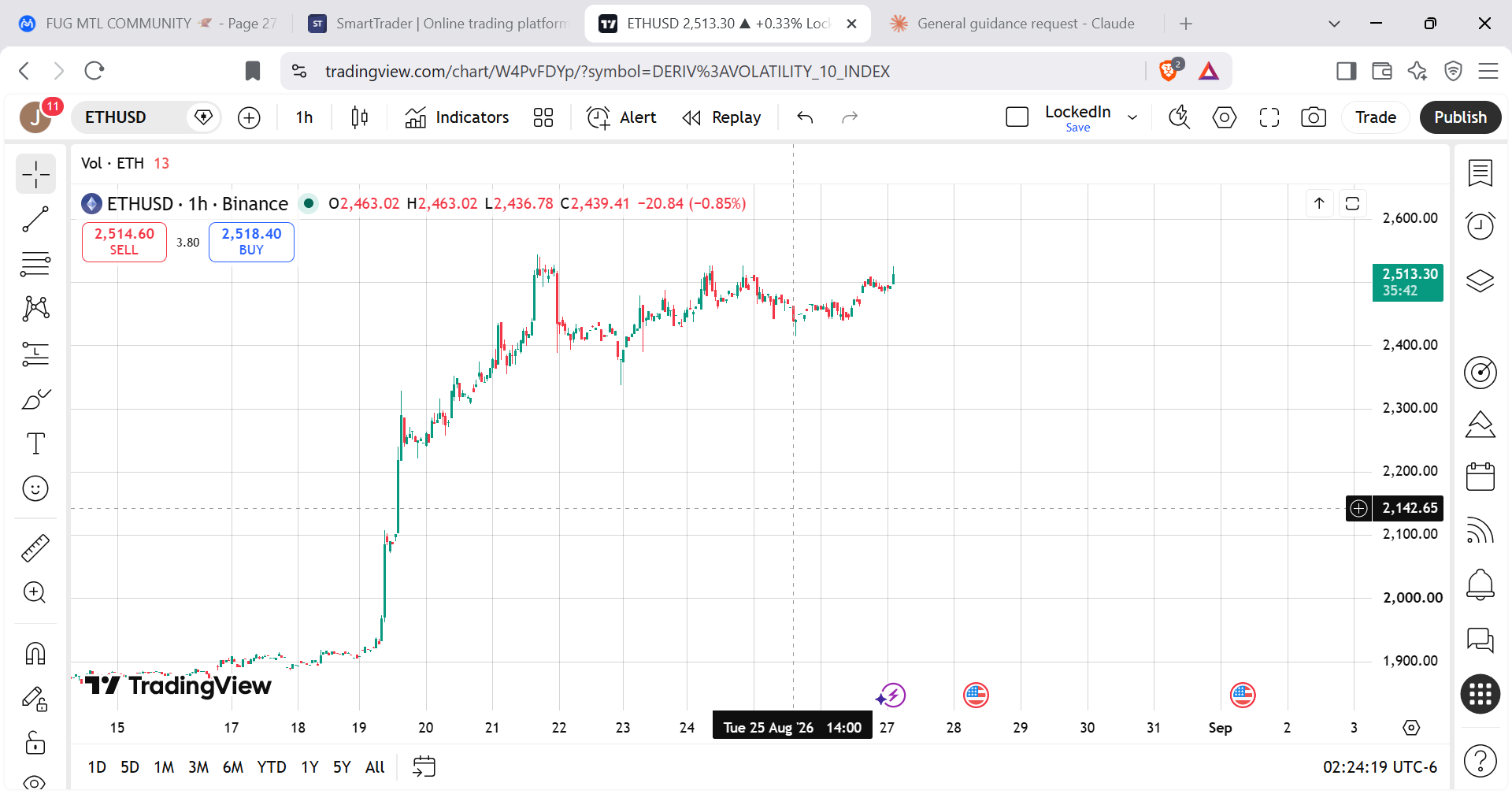
Alright guys, today we're going to talk about market structure

S
@stevmega - 1 month ago

Firstly what is market structure

Market structure is simply the way price is moving and the pattern created by its highs and lows.

> Before entering any trade, one of the first things we should understand is: Is the market going up, going down, or moving sideways?

> To answer that, we study the highs and lows that price is creating.

S
@stevmega - 1 month ago

Let's start with a bullish market structure.

> A bullish market means buyers are generally in control, and price is making progress upward.

> The two terms I want you to remember are:

> Higher High β€” HH

> Higher Low β€” HL

> A Higher High means price has created a new high that is higher than the previous significant high.

> A Higher Low means price pulls back, but the new low is still higher than the previous low.

> So you have something like:

> HH β†’ HL β†’ HH β†’ HL β†’ HH

> That's an uptrend.

> Think of someone climbing stairs. They're not moving straight up; they step up, take another step, step up again. That's basically how bullish structure develops.

> So remember:

> Bullish = Higher Highs + Higher Lows.

S
@stevmega - 1 month ago

Now let's flip it.

> A bearish market structure means sellers are generally in control.

> Here, we look for:

> Lower Low β€” LL

> Lower High β€” LH

> A Lower Low means price creates a new low below the previous significant low.

> A Lower High means price retraces upward, but it fails to reach the previous high.

> So you get:

> LL β†’ LH β†’ LL β†’ LH β†’ LL

> That's a bearish structure.

> Again, think about stairsβ€”but this time we're going downstairs.

> So:

> Bearish = Lower Lows + Lower Highs.

S
@stevmega - 1 month ago

Now, what happens when the market isn't clearly bullish or bearish?

> That's where we have a range, or sideways market.

> Price is basically moving between an upper area and a lower area.

> The top can act as resistance, while the bottom can act as support.

> So instead of consistently creating higher highs and higher lows, or lower highs and lower lows, price keeps moving back and forth inside an area.

> That's a ranging market.

> And one mistake beginners make is forcing a bullish or bearish bias when the market is actually ranging.

Disclaimer:

At MyTradingLand.com, we connect you with forex brokers and provide a community for traders. While we offer valuable information and resources, please note that we are not financial advisors and cannot provide personalized financial advice. Always conduct your own research and invest responsibly.

Community Guidelines: The MyTradingLand.com community is designed as a resource for forex traders, promoting respectful and constructive discussions. We reserve the right to remove any content that is misleading, abusive, or violates our terms of service.

Broker Information: While we may receive commissions or advertising income from some of the brokers listed, this does not imply an endorsement of any broker, nor does it affect our review process. Our evaluations are based solely on objective criteria and user feedback.

Always verify the regulatory status of any broker with your local financial authority, along with their terms and privacy policies, before engaging with them. It is crucial to conduct thorough research to ensure that you are making informed decisions.

Risk Warning: At MyTradingLand.com, we strive to provide accurate information; however, the forex market is highly volatile and can change rapidly. It is essential to verify any information before making investment decisions.

Please be aware that trading in forex involves substantial risk, and it is possible to lose more than your trading equity/investment capital. 70-90% of retail CFD traders incur losses in their trading activities as per information from various brokers.

You are solely responsible for your use of MyTradingLand.com and any trading decisions you make. We encourage all users to educate themselves thoroughly about forex trading and to consider seeking advice from qualified financial professionals.

Advertising Disclosure: We may earn commissions from recommended brokers, but our reviews are independent (not influenced by potential earnings). Sponsored content is clearly marked and doesn't reflect our views.

©2026 Β©2025 All rights reserved Mytradingland.com