B
BLESSED AJUZIEOGU
@blessedtoe
Last seen:
3 months ago
A TRADER
A TUTOR
A CRYPTO GURU
2 Followers
1 Following
CLASS 4.2: CANDLES STICKS📈
Candlesticks refer to the specific bars or "candlendlestick charts to visualize price movements. Each candlestick represents a specific timeframe (e.g., daily, hourly) and displays the following information:
▫️Open: The opening price of the asset for that timeframe.
▫️Close: The closing price of the asset for that timeframe.
▫️High: The highest price reached within the timeframe.
▫️Low : The lowest price reached within the timeframe.
TYPES OF CANDLESTICKS
BULLISH REVERSAL CANDLE STICKS📈
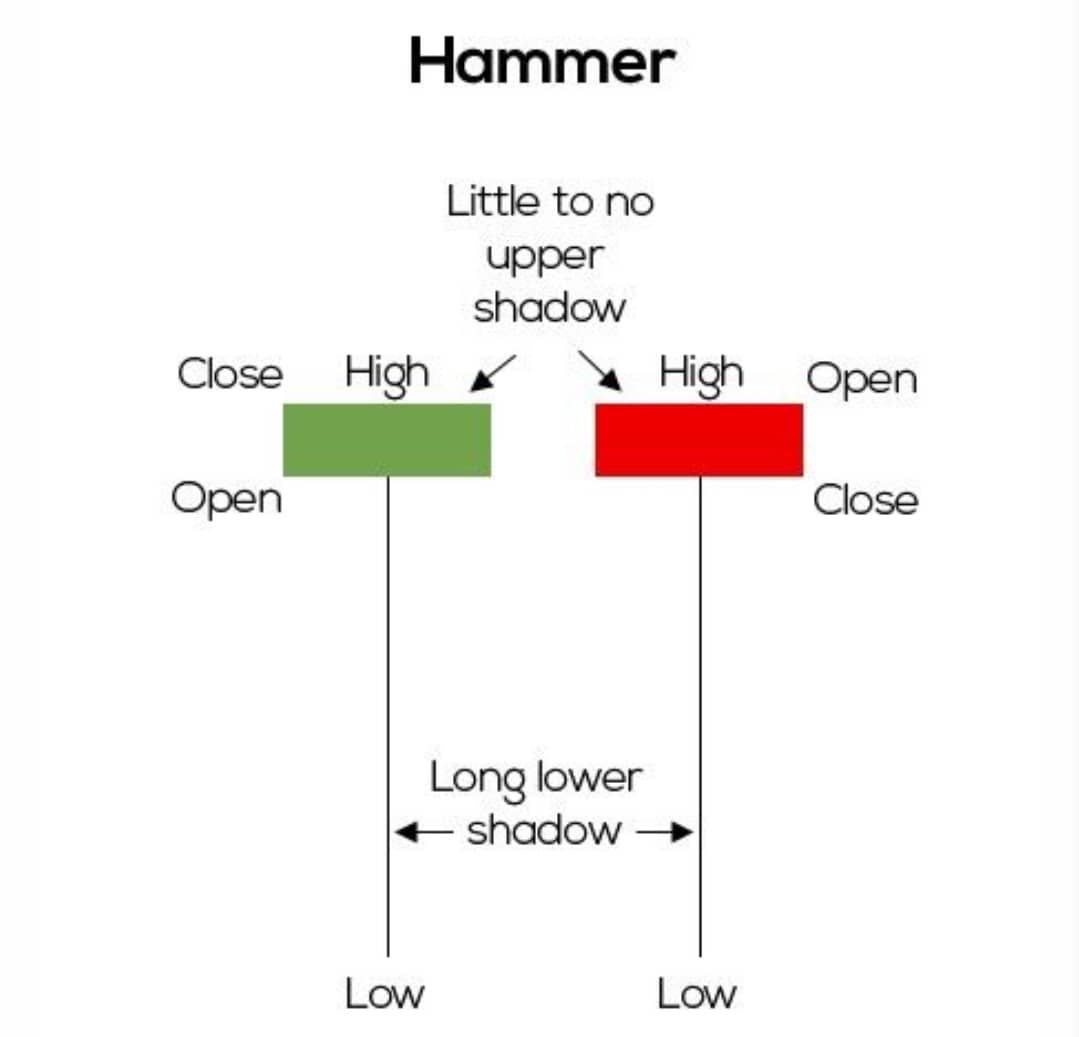
▫️Hammer: Small down body, long lower wick, indicating buying pressure at the low.
▫️Engulfing Bullish: Large green candle completely engulfing a preceding red candle, signifying a potential trend reversal.
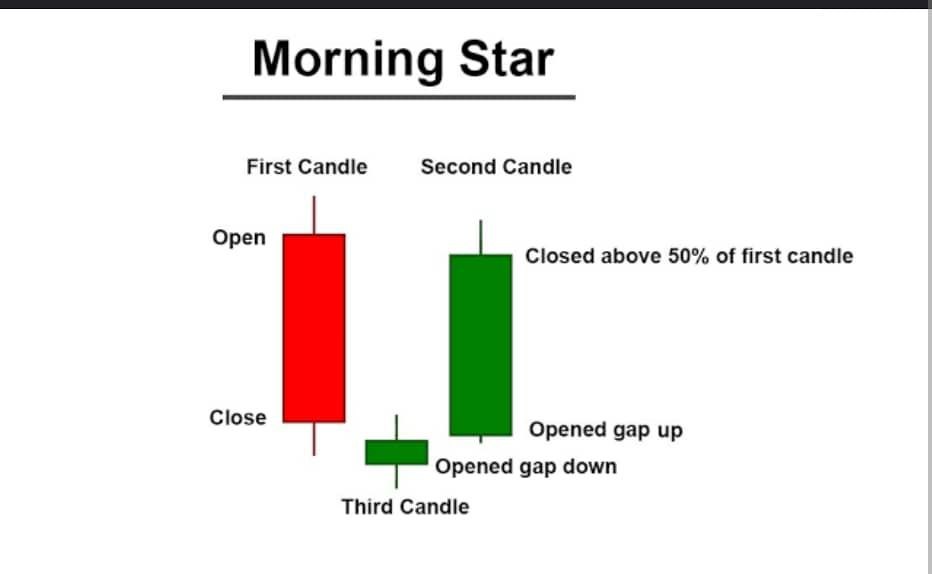
▫️Morning Star: Three-candle pattern with a bearish day, followed by a small Doji, and then a larger bullish candle, suggesting a bullish reversal.
BEARISH REVERSAL CANDLE STICKS📈
▫️ Inverted Hammer: Small up body, long upper wick, indicating selling pressure at the high.
▫️Engulfing Bearish: Large red candle completely engulfing a preceding green candle, signifying a potential trend reversal.
▫️Evening Star: Three-candle pattern with a bullish day, followed by a small Doji, and then a larger bearish candle, suggesting a bearish reversal.
PICTORIAL EXAMPLES OF BASIC CANDLE STICKS TYPES⤵️
1. HAMMER
2. BEARISH ENGULFING
3. BULLISH ENGULFING
4. INVERTED HAMMER
5. MORNING STAR
6. EVENING STAR
1➡️➡️2
3➡️➡️4
next post 5 ➡️➡️ 6
+3
CLASS 4.1:
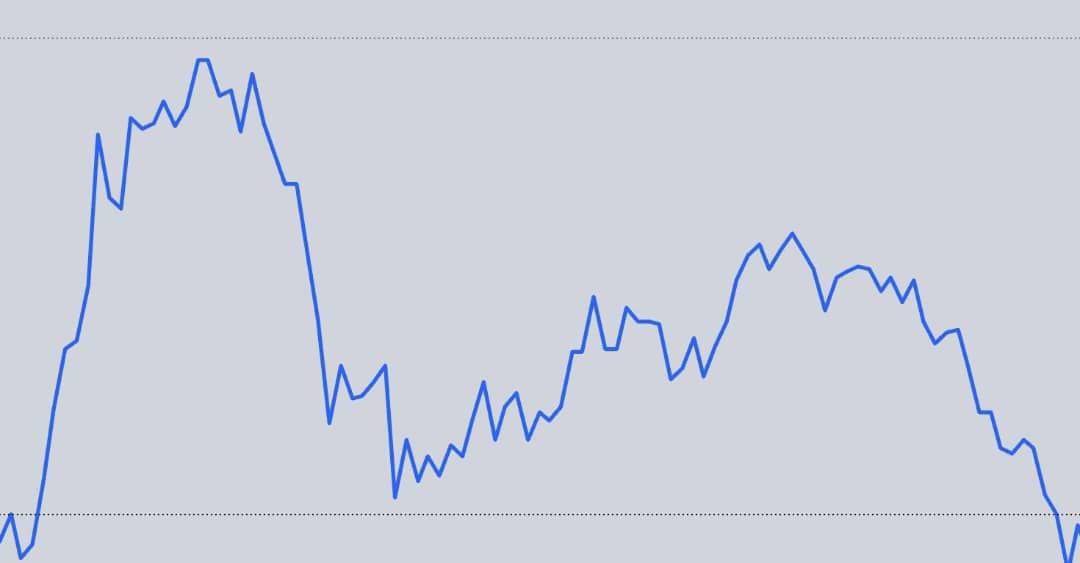
1. LINE CHART📈
2. BAR CHART📈
3. CANDLE STICK CHART📈
4. THE CANDLESTICK CHARTS AND LINE CHARTS ARE THE COMMONLY USED CHART TYPES.
YOU'LL LEARN HOW TO READ THEM EFFECTIVELY IN THE MASTER CLASS📈
follow the numberings above to identify the CHART below
1 ➡️➡️ 2
3 ➡️➡️ 4
+3
CLASS 4: WHAT IS A CHART📈
Essentially, a forex chart is a visual representation of how the exchange rate between two currencies changes over time. It helps traders and investors understand historical price movements, identify trends and patterns, and make informed decisions about buying or selling currencies.
USES OF FOREX CHARTS📈
▫️Technical analysis: Identifying trends, patterns, and potential support and resistance levels.
▫️Fundamental analysis: Understanding how economic news and events might affect currency prices.
▫️Making trading decisions: Deciding when to buy and sell currencies based on the analysis of the chart and other factors.
TYPES OF FOREX CHARTS📈
▫️LINE CHARTS
▫️BAR CHARTS
▫️CANDLE STICK CHARTS
PICTORIAL EXAMPLE OF A CHART📈
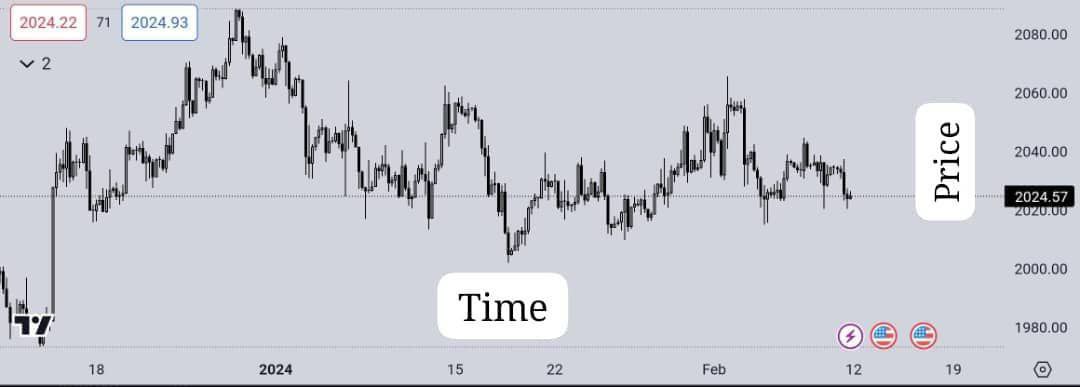
by choosing a leverage that you are comfortable with , just like risking what you can loose and it won't affect your capital
CLASS 3 : WHAT IS LEVERAGE📈
In forex trading, leverage allows you to control a larger position than your actual capital would typically allow.
Think of it like using a loan to amplify your buying power. While leverage can magnify potential profits, it also significantly magnifies potential losses.
It's crucial to understand both sides of this coin before using leverage in forex trading.
HERE'S HOW LEVERAGE WORKS📈
Imagine you have $1,000 in your trading account.
With a 10:1 leverage ratio, your broker allows you to control a position worth $10,000.
This means you can buy or sell $10,000 of a currency pair, even though you only have $1,000 of your own money.
EXAMPLE📈
Let's say you go long on EUR/USD with $1,000 and 10:1 leverage, buying $10,000 worth of Euros.
If EUR/USD rises by 1%, your profit would be $100 (1% of $10,000).
This translates to a 10% gain on your initial $1,000, much higher with leverage.
However, the risks are amplified too:
If EUR/USD falls by 1%, your loss would be $100 (1% of $10,000).
This translates to a 100% loss on your initial $1,000, potentially wiping out your entire account.
WHAT IS HEDGING📈
Hedging is a risk management strategy used in finance to reduce the risk of adverse price movements in an asset. It involves taking an opposite position in a related asset so that if the price of the first asset falls, the gain from the second asset helps to offset the loss.
HEDGING EXAMPLE📈
▫️A trader holding stocks in a tech company (Asset A) might buy on a market index (Asset B) to hedge against a broader market downturn.
▫️A currency trader long on USD/JPY might short EUR/JPY to hedge against potential dollar weakness.
they have small trading participants
no much people trade there on those pairs
unlike the majority
just like saying, stew rice is something everyone has each and likes to eat (major pairs)
but coconut rice is something you hardly see people cook (minor pairs)
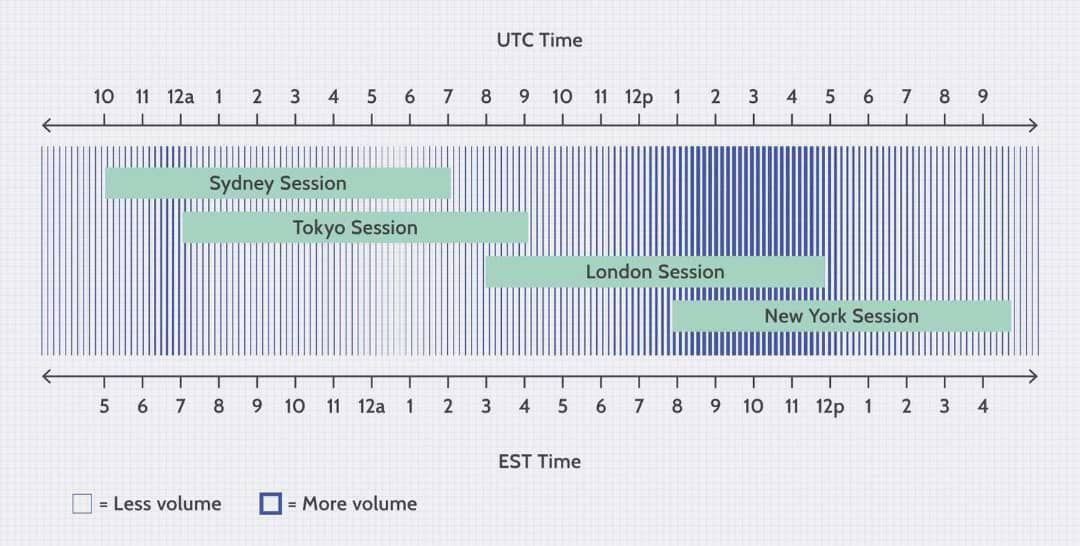
WHY UNDERSTANDING FOREX SESSIONS MATTERS📈
▫️Volatility: Different sessions exhibit varying levels of volatility. Understanding this can help you choose when to trade based on your risk tolerance.
▫️Liquidity: Sessions with higher liquidity offer tighter spreads and easier entry/exit from trades.
▫️News and Data: Major economic news and data releases often coincide with specific sessions, impacting currency movements.
▫️Trading Strategies: Some strategies are better suited for specific sessions based on their characteristics (e.g., news trading during active sessions, carry trading during quieter periods).
By understanding the forex trading sessions and their unique characteristics, you can make informed decisions about when and how to trade, potentially improving your success in the forex market.
BASIC FOREX TERMS📈
Here are some basic forex terms and their meanings;
▫️Currency Pair: The fundamental unit of forex trading, representing two currencies traded against each other. For example, EUR/USD represents the Euro versus the US Dollar.
▫️Base Currency: The first currency listed in a pair, used as the reference for the exchange rate. In EUR/USD, the Euro is the base currency.
▫️Quote Currency: The second currency listed in a pair, expressed as the price of one unit of the base currency. In EUR/USD, the US Dollar is the quote currency.
▫️Bid Price: The highest price a buyer is willing to pay for a currency pair. It's like the "asking price" in a store.
▫️Ask Price: The lowest price a seller is willing to accept for a currency pair. It's like the "selling price" in a store.
▫️Spread: The difference between the bid and ask prices. It represents the broker's commission for facilitating the trade.
▫️Lot: In forex trading, lot size refers to the standardized amount of currency units you're buying or selling in a single trade. Think of it like buying eggs; you wouldn't purchase individual eggs, but rather a carton (a lot) containing a specific number (e.g., 12).
▫️Pip: The smallest price movement for a currency pair. For example, in EUR/USD, a pip movement is 0.0001 (one cent for every $10,000 traded).
▫️Margin: A deposit required to hold open a leveraged position. Leverage allows you to control a larger position than your deposit, but also amplifies gains and losses.
▫️Long Position: Buying a currency pair with the expectation it will increase in value.
▫️Short Position: Selling a currency pair with the expectation it will decrease in value.
▫️Take Profit: A predetermined price level at which you close a profitable trade to lock in gains.
▫️Stop Loss: A predetermined price level at which you automatically close a losing trade to limit potential losses.
▫️Order Types: Instructions to your broker on how to enter or exit a trade, such as market orders, limit orders, and stop-loss orders.
▫️Technical Analysis: Using charts and indicators to predict future price movements based on historical data.
▫️Fundamental Analysis: Analyzing economic data and events to understand how they might affect currency values.
WHY LOT SIZE MATTERS📈
▫️Trading Capital: Smaller lot sizes are useful for beginners or those with limited capital, as they require less money per trade.
▫️Risk Management: Choosing a suitable lot size based on your account size and risk tolerance helps control potential losses.
▫️Profit & Loss: Your profit or loss is calculated based on the lot size and the pip movement of the currency pair.
WHAT IS A CURRENCY PAIR📈
In the realm of forex trading, currency pairs serve as the fundamental building blocks. They represent the exchange rate between two different currencies, essentially indicating how much of one currency you need to acquire one unit of the other.
ANATOMY OF A CURRENCY PAIR📈
Imagine you see the pair EUR/USD listed. Here's the breakdown:
▫️Base Currency: This comes first (EUR in this case). It acts as the reference point for the exchange rate.
▫️Quote Currency: This comes second (USD) and denotes its price in terms of the base currency. So, 1.2000 EUR/USD signifies you need 1.2000 USD to buy 1 EUR.
TYPES OF CURRENCY PAIRS📈
▫️Major Pairs: Highly traded pairs involving the US Dollar (USD), like EUR/USD, USD/JPY, and GBP/USD. They offer high liquidity and tight spreads.
▫️Minor Pairs: Less frequently traded, featuring major currencies against non-USD currencies (e.g., EUR/AUD, EUR/CHF). They have lower liquidity and wider spreads.
▫️Exotic Pairs: Pairs involving currencies from emerging markets or less-developed countries (e.g., USD/TRY, USD/ZAR). They boast even lower liquidity and wider spreads, but potentially higher volatility.
INTRODUCTION TO FOREX📈
Forex Market is an exciting place. The one good thing about entering into the forex market is that you can trade anytime as per your convenience.
The global Foreign exchange market (FX' or 'Forex') is the largest market in the world as measured by the daily turnover with more than US$5 trillion a day eclipsing the combined turnover of the world's stock and bond markets.
WHAT IS FOREX📈
Forex (in simple terms, currency) is also called the foreign exchange, FX or currency trading. It is a decentralized global market where all the world's currencies trade with each other. It is the largest liquid market in the world.
IMPORTANCE OF FOREX📈
▫️Hedging and Risk Management:
Businesses and individuals can use forex trading to hedge against currency fluctuations:
- Businesses: mitigate risks associated with international operations (e.g., import costs) by locking in exchange rates.
- Individuals: protect themselves from currency swings when traveling or holding foreign assets.
This hedging function promotes stability and predictability in global trade and investment.
▫️24/5 Global Market and Liquidity:
Unlike many other financial markets, forex operates 24 hours a day, 5 days a week. This provides:
Continuous access: to trading opportunities for participants across different time zones.
High liquidity: meaning currencies can be bought and sold quickly and efficiently.
This continuous activity and liquidity contribute to the efficient functioning of the global financial system.
WHO TRADES FOREX📈
The forex market is enormous in size and is the largest market with millions of participants Hundreds of thousands of individuals (like us), money exchangers, to banks, to hedge fund managers everybody participates in the forex market.
FOREX TRADING SESSIONS.
in the IMAGE DISPLAYED
NEXT CLASS TOMORROW WE WILL CONTINUE WITH FX TRADING SESSIONS
ASK YOUR QUESTIONS BELOW 👇 BE SURE TO GIVE THIS LECTURE AN ⬆️