Alpha Circle Nsukka | Charts, Psychology & Market Discussions
It is hard to know if someone is skilled in trading or not without trading large capital.
One can be comfortable trading small lot sizes, but when the amount of money on the line changes to 5 or 6 figures of risk per trade, it can trigger different reactions (emotional & mental).
All the emotions are amplified if you are trading intraday. When you are trading swing, you have days to see the trade play out. But when you have large sum on the line on the next few pips of movement, it requires extreme discipline.
I always point to this video or the Trader documentary.
Real trading on large capital requires extreme emotional control, because one mistake can be the end of your career, especially when you have no guardrails. Traders who trade their own accounts, they mostly have no guardrails, you are relying on your own discipline.
For example, the next 10 pips move on EURUSD is 5 figures in account pnl, then you cannot afford to lose your discipline. You could be pushing back, you simply not accepting the loss, then that is the end. All professionals have loss limits, not mental but actual abstraction layer.
That is why in my opinion, real trading requires professional setup & accountability. You have to be trading with intent, and clear input goals. And have a very clear playbook. Developing a playbook is the first step.
Apt ๐
I totally agree with you.
It no longer becomes just a test of skill, but also that of discipline and character.
And at the same time it makes it easier to follow your rules because you're not trading for survival, but for financial growth and expansion. Unless you're a greedy person we
Large capital and emotion 5&6 the real deal is where you get the money from can you fund it again
Apt ๐
I totally agree with you.
It no longer becomes just a test of skill, but also that of discipline and character.
And at the same time it makes it easier to follow your rules because you're not trading for survival, but for financial growth and expansion. Unless you're a greedy person we
I would actually push back. It makes it harder for most people to follow your rules when you trade bigger size.
The feeling to get back to that past state is even higher (been there done that). It makes you push back & fight even against your better judgement.
Every person is different, but I've not met a real trader, who feels totally unemotional & in zen mode after losing, especially when it is real large sum of money.
In my experience, trading goes in streaks. I can have 1-2 weeks where it is cold. And when you are in that state, unless you have real guardrails in place (not mental), even as a pro trader, you have that bias to push back against the markets (going even against your system).
By guardrails, I mean risk limits enforced by system, not mental. Brokers don't even give you daily or weekly limits, you can go bust in a day for all they care.
Real professional trading is done on proper platforms, where no trader, even on their worst of days, will lose more than they ever should.
There are countless examples of traders losing it all on bad day or a week. Infact it is very normal. How are you protecting against that?
In any professional setup (real prop firms too), you will see traders trading on professional terminals (not on direct brokerage accounts). Example video.
Without professional work, and working alongside real traders who are doing it & actually making serious money trading, it is really hard to know the right & wrongs.
Large capital and emotion 5&6 the real deal is where you get the money from can you fund it again
I agree, where you get the money from makes a lot of difference. You are bound to lose (even if you have an edge) during the initial years, and you would have to give your donation.
I'll add further, if you are already trading from an indebted state, every loss will feel like hell. Even your trading will be much worse, more trading errors & bad judgement.
Never ever trade the capital that you cannot afford to lose, and never borrow money for trading. If you want to do it full time, atleast do something on the side, that will help you fund it.
Happy weekend traders what best word to describe your trading week tell us
TIME FOR OUR WEEKLY REVIEW!
Happy weekend guys.
So, how was your trading week?
Was this an overall profitable week for you or was it a bad week? Did you break even?
What lessons did you learn this week from your trading, and what's your plan for the weekend?
TIME FOR OUR WEEKLY REVIEW!
Happy weekend guys.
So, how was your trading week?
Was this an overall profitable week for you or was it a bad week? Did you break even?
What lessons did you learn this week from your trading, and what's your plan for the weekend?
So many scalp partial positions and too many trades ๐ด still yet go pass my upscale
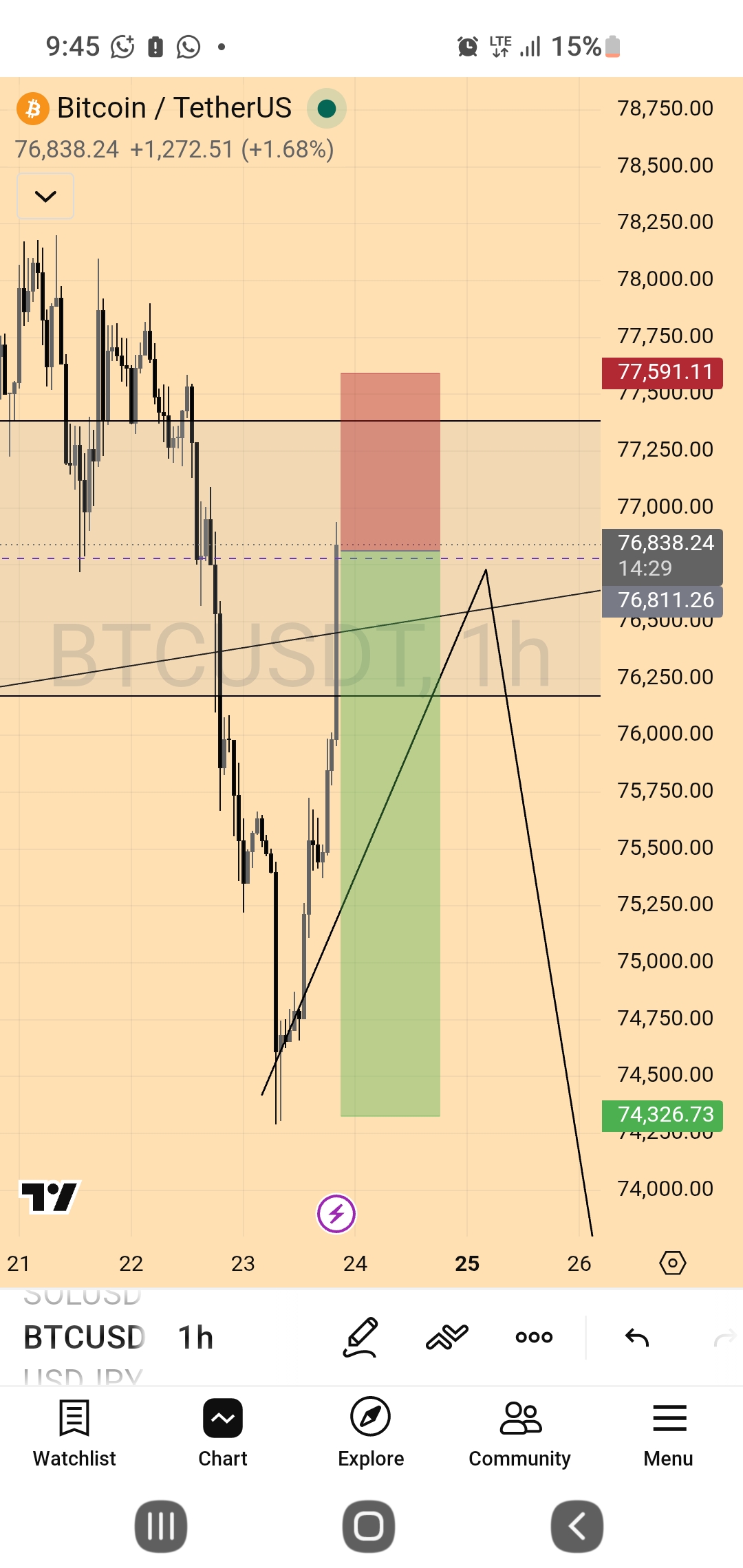
I was in profits by the begining of the week, only for BTC and ETH to mess it up for me ๐
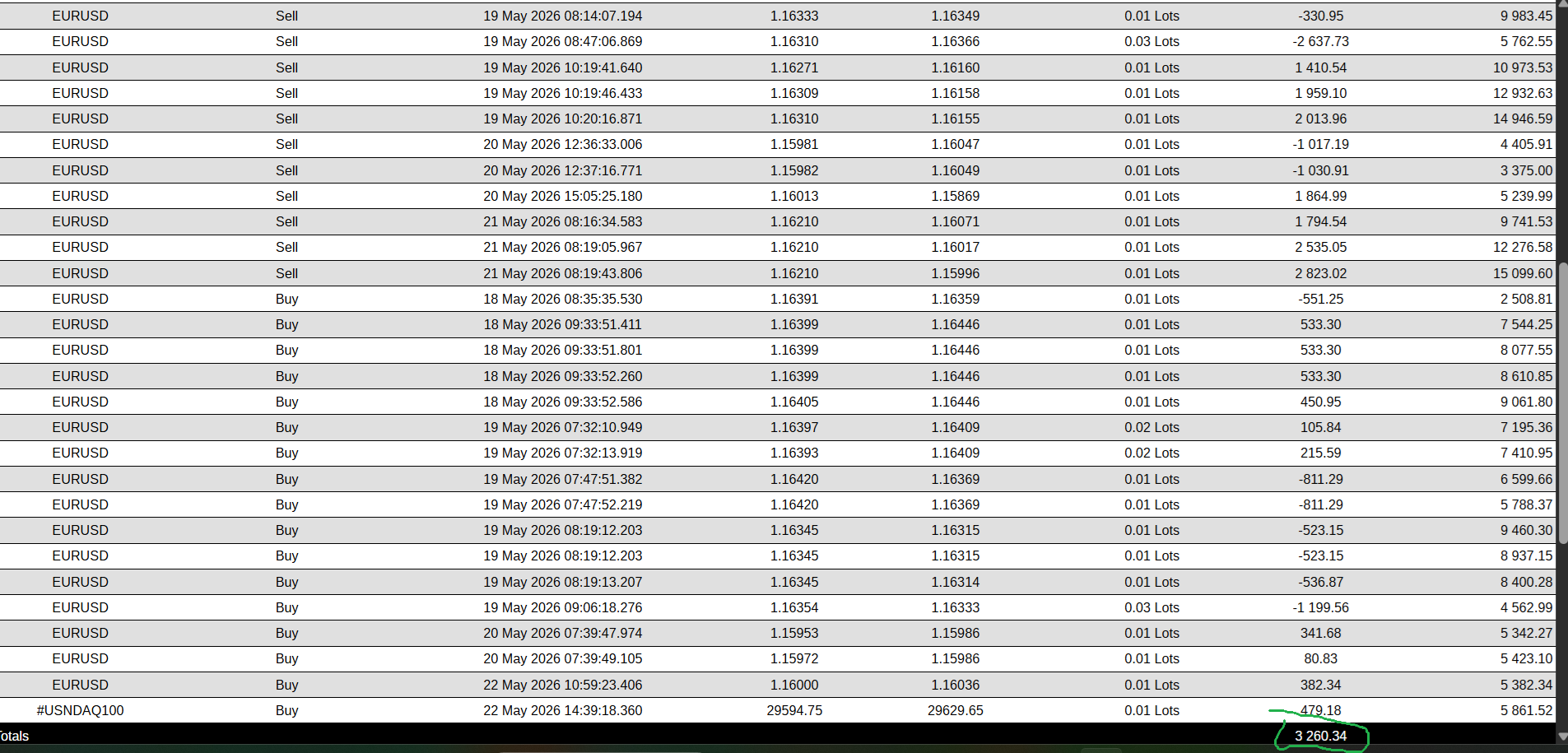
I ended the week in profit, the week started badly but on Thursday 21st May I was able to get an A+ setup on EUR/USD that propelled me into profitability for the week.
Awesome.
Congratulations ๐ ๐
So, what did you learn from the market this week?
I ended the week in profit, the week started badly but on Thursday 21st May I was able to get an A+ setup on EUR/USD that propelled me into profitability for the week.
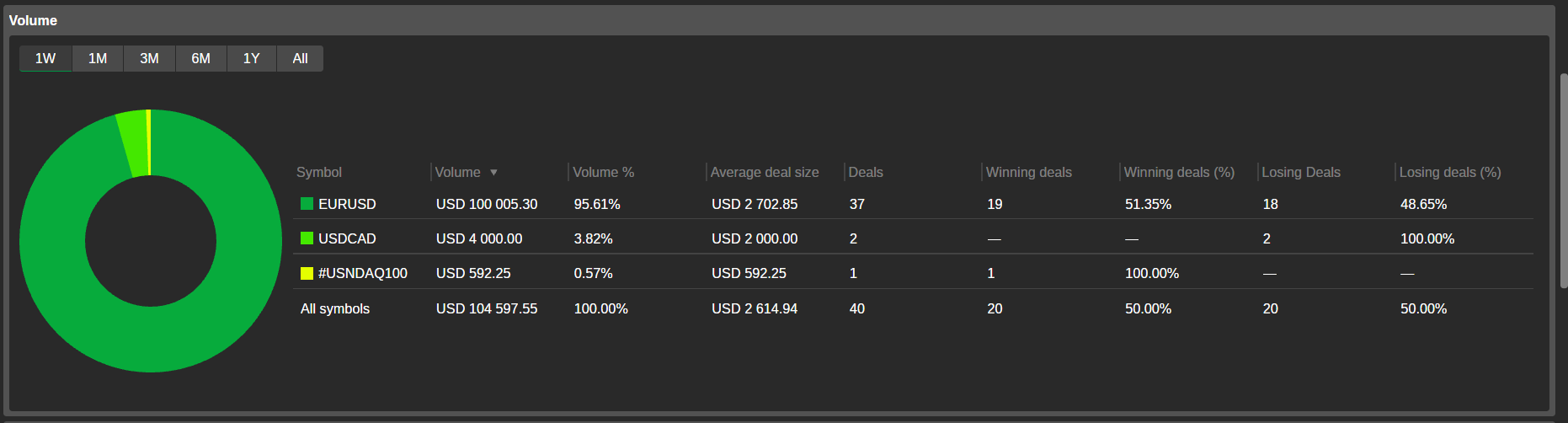
Most of my trades were on EUR/USD
Awesome.
Congratulations ๐ ๐
So, what did you learn from the market this week?
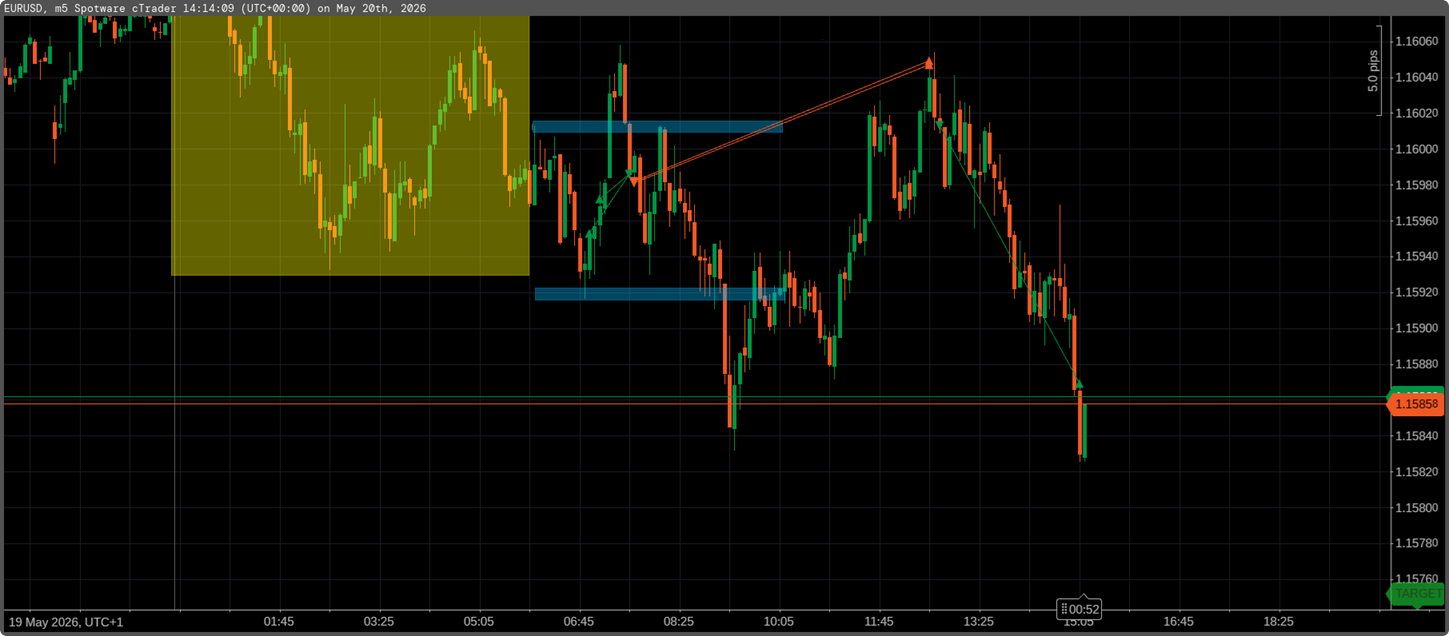
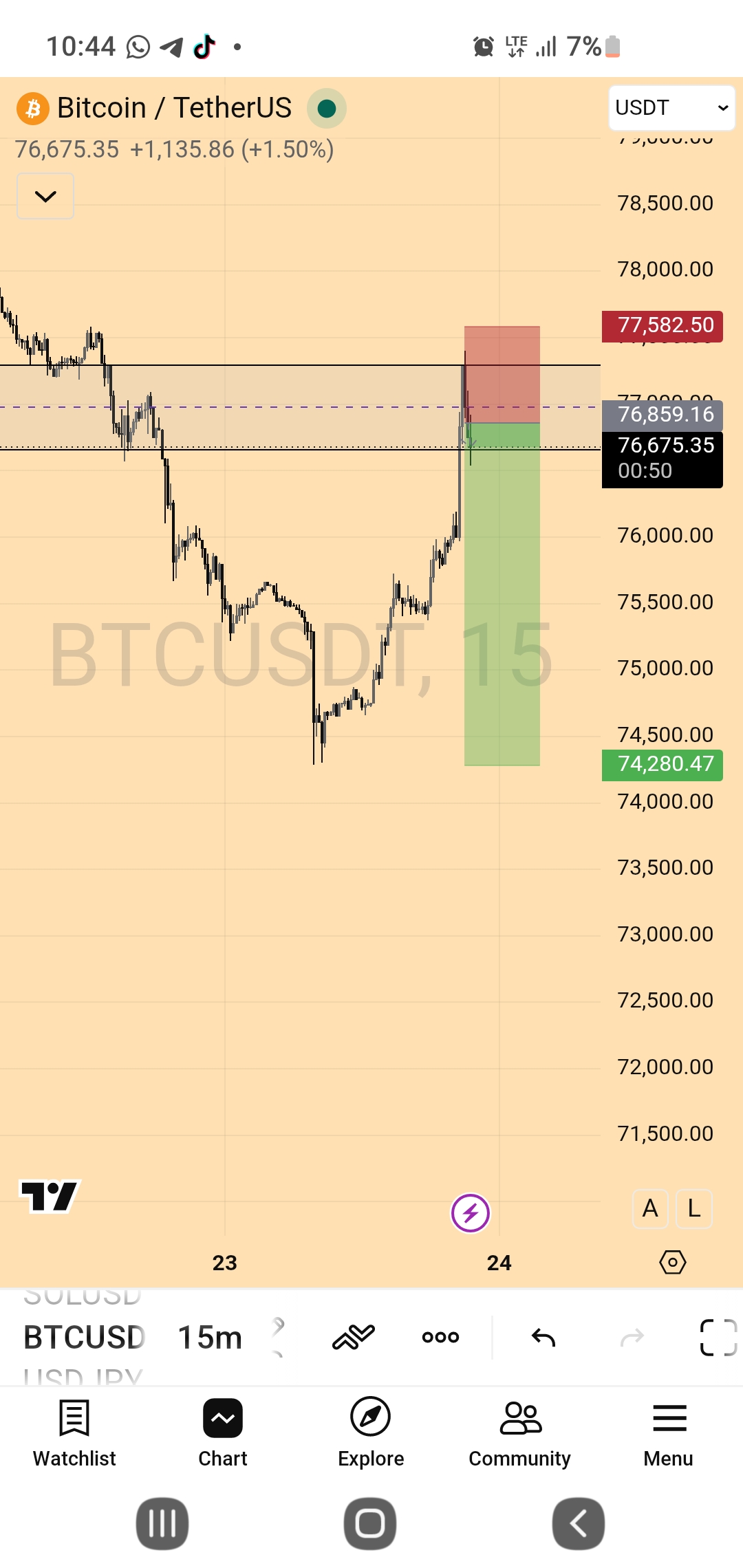
I learnt to always take partial profits as a trade heads towards TP. There was a loss I recorded on Wednesday (see screenshot) where price was going towards TP only for it to suddenly reverse and go back to the origin and hit my SL. I had to enter the short trade again to recover the loss and close the day at breakeven.