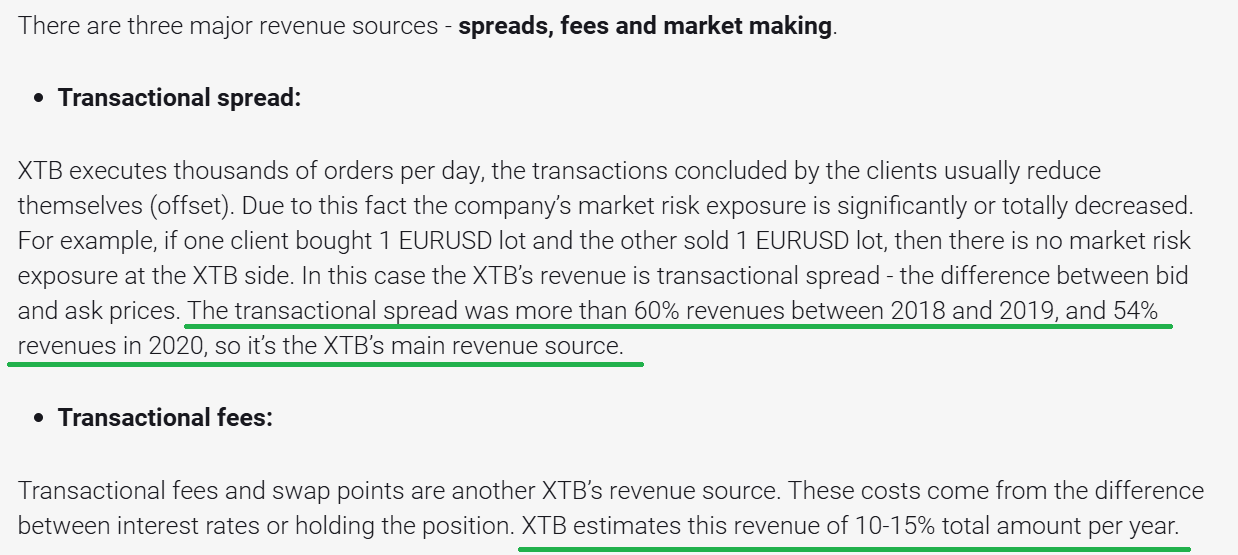
1. Spreads (The Primary Revenue Source)
The spread is the markup between:
Bid (sell price)
Ask (buy price)
Example:
Real market price = 1.10000
Broker price = 1.09998 / 1.10002
Spread = 0.4 pips
If a broker receives raw spreads from a liquidity provider (LP) like:
JP Morgan
Citibank
UBS
Goldman Sachs
They may add their own markup.
Example:
LP spread = 0.1 pips
Broker charges = 1.0 pip
Profit = 0.9 pips per transaction
Since thousands of traders' place thousands of trades daily, even tiny spreads generate large revenue.
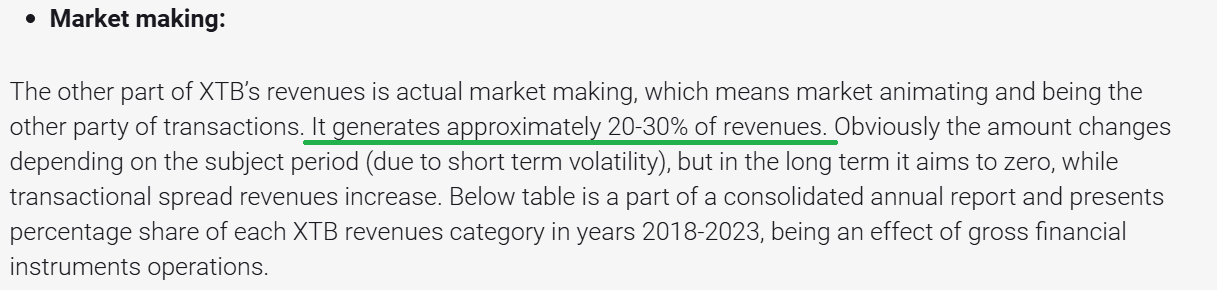
2. Commissions (Especially ECN/Raw Accounts)
On “Raw Spread” or “ECN” accounts, brokers cannot add much spread, so they charge a fixed commission.
Typical commission:
$6 – $10 per lot round-trip (open + close)
Why brokers charge commissions on raw accounts:
They must pay liquidity providers
They must maintain trading infrastructure
They earn transparent, fixed income from every trade
Professional traders and scalpers prefer this model because spreads are extremely low.