Liquidity Sweep In Forex

Y
@yokoyi - 1 month ago
Quoted - headies25284

What is a Liquidity Sweep?

A Liquidity Sweep is a market movement where price moves sharply to capture pending orders (stop-losses, take-profits, or limit orders) before reversing.

Think of it as the market “hunting” liquidity before resuming its main trend.

Liquidity in trading refers to all the buy and sell orders resting in the market.

The market tends to target these zones because large participants (banks, institutions) need liquidity to enter or exit positions.

So a Liquidity Sweep is essentially price triggering stops or grabbing orders before moving back in the direction of the bigger trend.

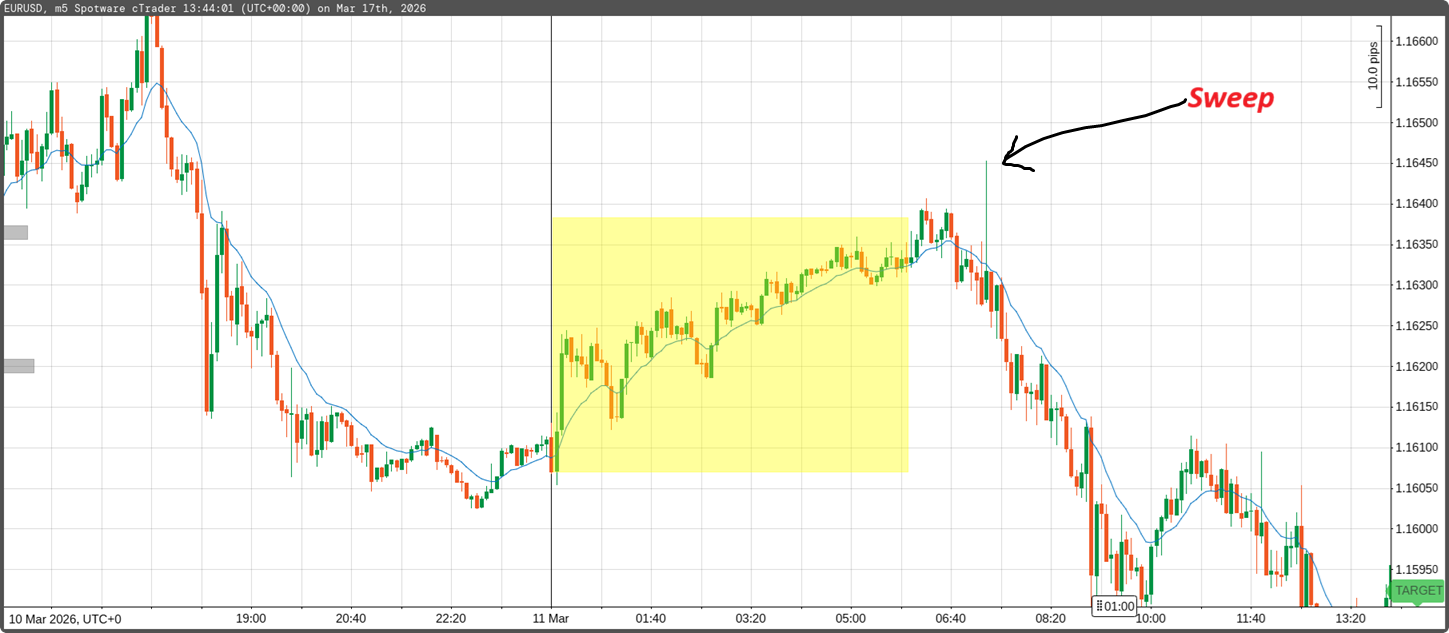
Whenever a trend starts, some traders will definitely miss out on the start perharps because they were away from their computer at the time or whatever reason. When these traders come back and realize the bus has left without them, they place pending orders near the begining of the trend. These pending orders will be displayed in the "Depth of Market" window (MetaTrader and cTrader have this feature) and when other traders see them, they start trading in the direction of the pending order forcing price to reverse and return to the begining of the trend to pick those orders before continuing. Unfortunately, mant stop losses would have already been placed near the begining of the trend and these stops will be triggered when price returns. This could be what makes it look like stop loss hunting but it is just experienced traders placing their entry where you placed your stop. In the image I attached, the downward trend started only for price to return to the origin before continuing in the downward trend.

H
@headies25284 - 1 month ago

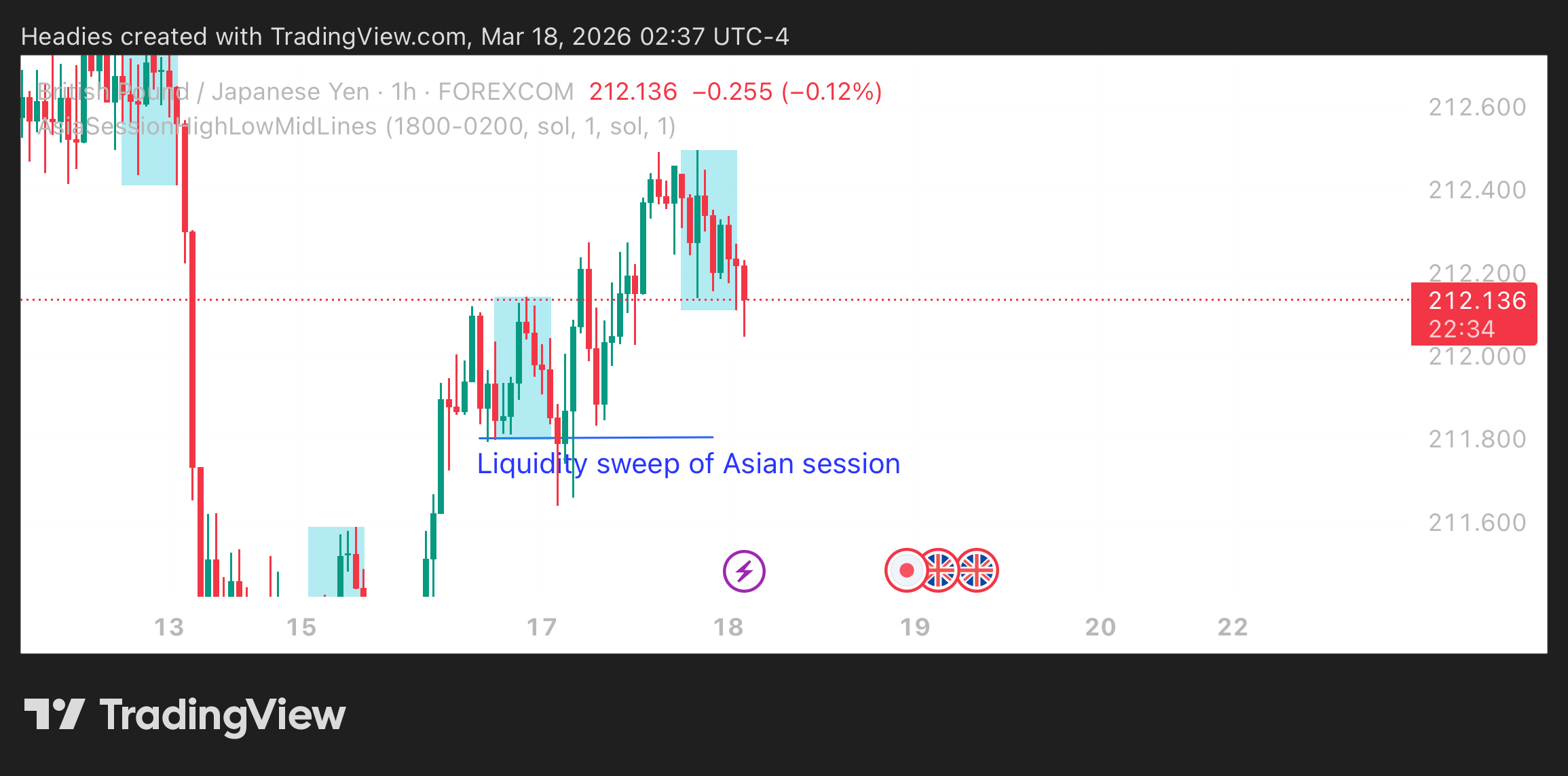
ASIAN SESSION LIQUIDITY SWEEP.

The light blue box in the image attached is a compendium of all the activities that took place in the Asian session. In other words, the blue box represents the Asian Session.

Most times, Asian session are used as liquidity for price movements and it happens with a sweep. The image attached shows that correctly. The wick rejection after price moved beyond the Asian session shows that it was just a sweep. This is the Asian session liquidity sweep concept.

H
@headies25284 - 1 month ago

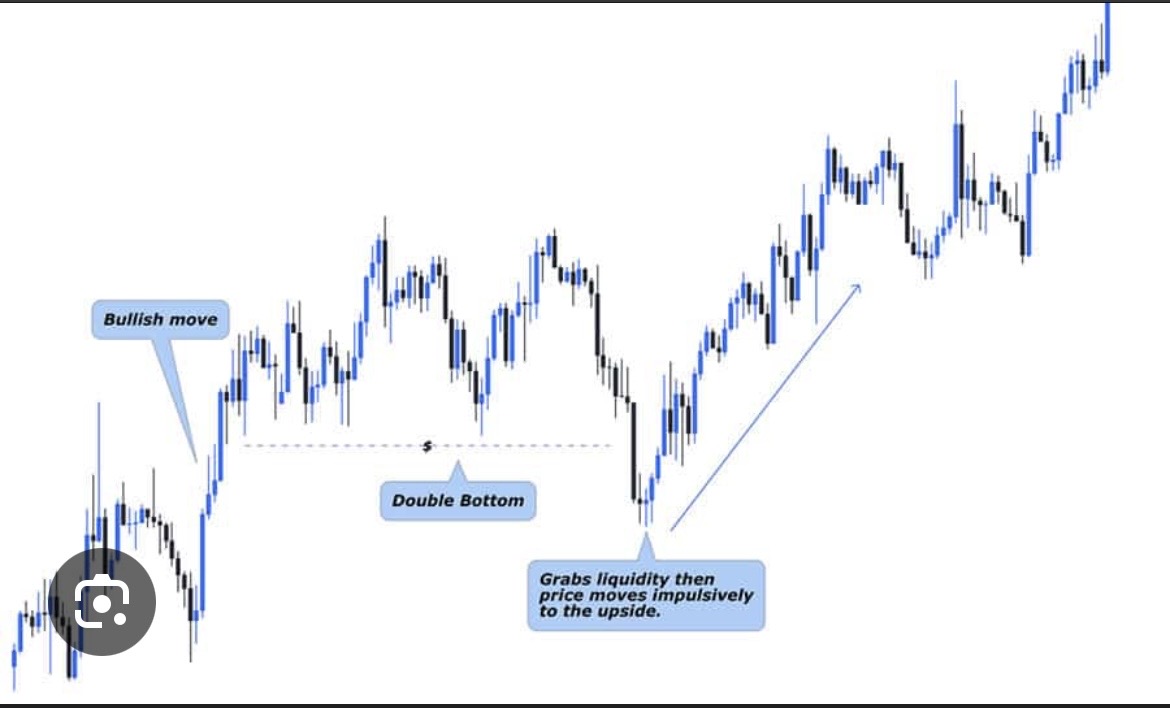
Equal Low Liquidity Sweep

The image attached gives a pictorial representation of this concept perfectly.

An equal low liquidity sweep occurs when price moves downward and breaches this level, triggering the cluster of stop losses and sell-stop orders. This sudden activation of orders creates a temporary surge in market activity and available liquidity. However, instead of continuing downward as many traders expect, price often reverses direction shortly after the break. This reversal is what defines the “sweep.” The market effectively moves into the liquidity pool, facilitates transactions, and then shifts direction once sufficient orders have been filled.

H
@headies25284 - 1 month ago

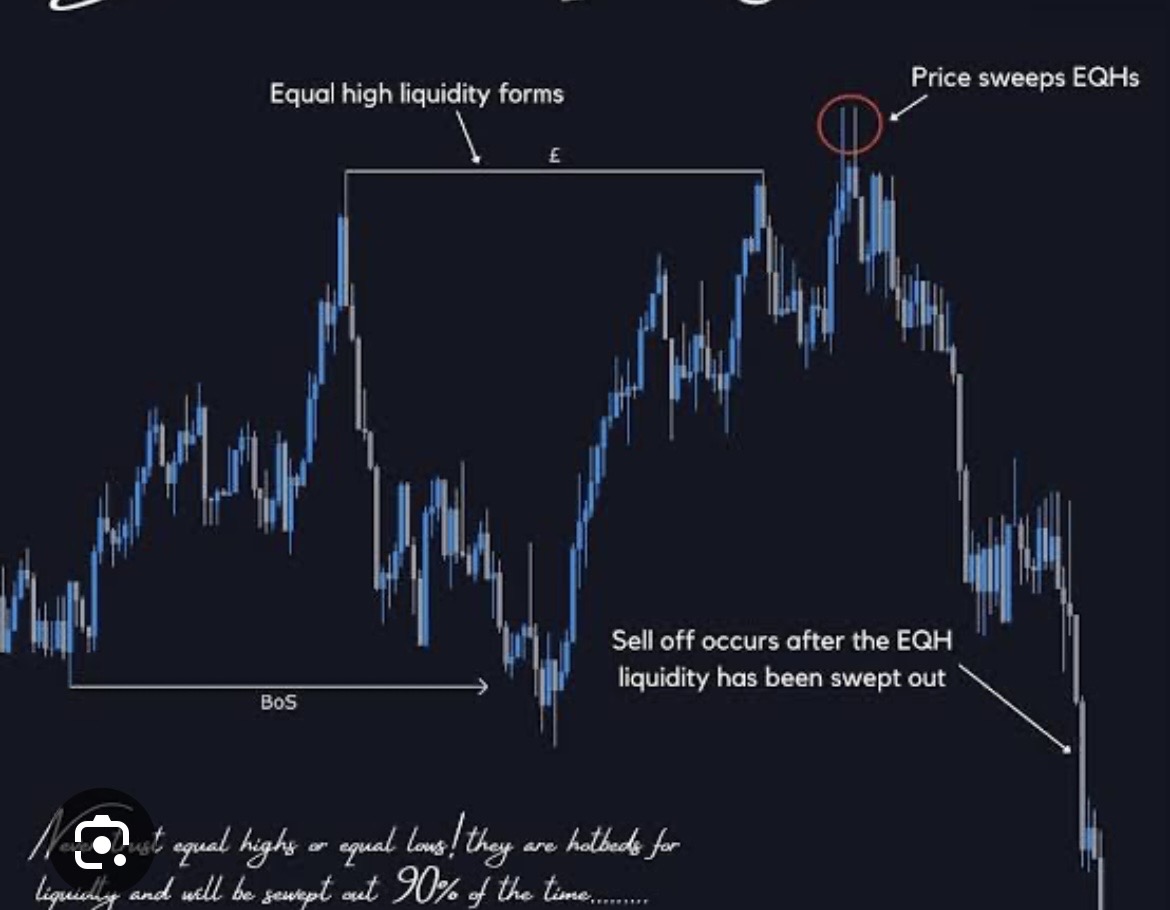
Equal High Liquidity Sweep

Equal highs occur when price forms two or more swing highs at approximately the same level. On a chart, this appears as a horizontal resistance zone where price has previously failed to move higher. Because this level is clearly visible, many traders react to it in similar ways. Traders who have taken short positions often place their stop losses just above these highs to protect themselves. At the same time, breakout traders anticipate that if price breaks above the resistance, it will continue upward, so they place buy-stop orders above the level. This clustering of orders creates a pool of buy-side liquidity above the equal highs.

An equal high liquidity sweep happens when price moves upward, breaks above these equal highs, and triggers the cluster of buy-stop orders and short traders’ stop losses. This initial move often appears strong and convincing, leading many traders to believe that a bullish breakout is underway. However, instead of continuing higher, price frequently reverses shortly after the breakout. This reversal defines the “sweep,” where the market moves into the liquidity pool, activates orders, and then changes direction.

H
@headies25284 - 1 month ago
Quoted - headies25284

Equal High Liquidity Sweep

Equal highs occur when price forms two or more swing highs at approximately the same level. On a chart, this appears as a horizontal resistance zone where price has previously failed to move higher. Because this level is clearly visible, many traders react to it in similar ways. Traders who have taken short positions often place their stop losses just above these highs to protect themselves. At the same time, breakout traders anticipate that if price breaks above the resistance, it will continue upward, so they place buy-stop orders above the level. This clustering of orders creates a pool of buy-side liquidity above the equal highs.

An equal high liquidity sweep happens when price moves upward, breaks above these equal highs, and triggers the cluster of buy-stop orders and short traders’ stop losses. This initial move often appears strong and convincing, leading many traders to believe that a bullish breakout is underway. However, instead of continuing higher, price frequently reverses shortly after the breakout. This reversal defines the “sweep,” where the market moves into the liquidity pool, activates orders, and then changes direction.
It is important to understand that this behavior is not about large institutions targeting individual retail traders. Rather, it is a function of how markets operate when large volumes need to be transacted. Significant market participants, including banks, hedge funds, and algorithmic systems, require sufficient liquidity to execute their trades efficiently. Equal highs provide such liquidity because they attract a concentration of orders from many market participants. When price reaches these levels, the activation of clustered orders allows larger participants to enter or exit positions with reduced market impact.