Liquidity Sweep In Forex

Hi guys, I have always heard about liquidity sweep and over time I have noticed it means different things to different people. Let’s discuss on this. Thank you all

H
@headies25284 - 13 hours ago

What is a Liquidity Sweep?

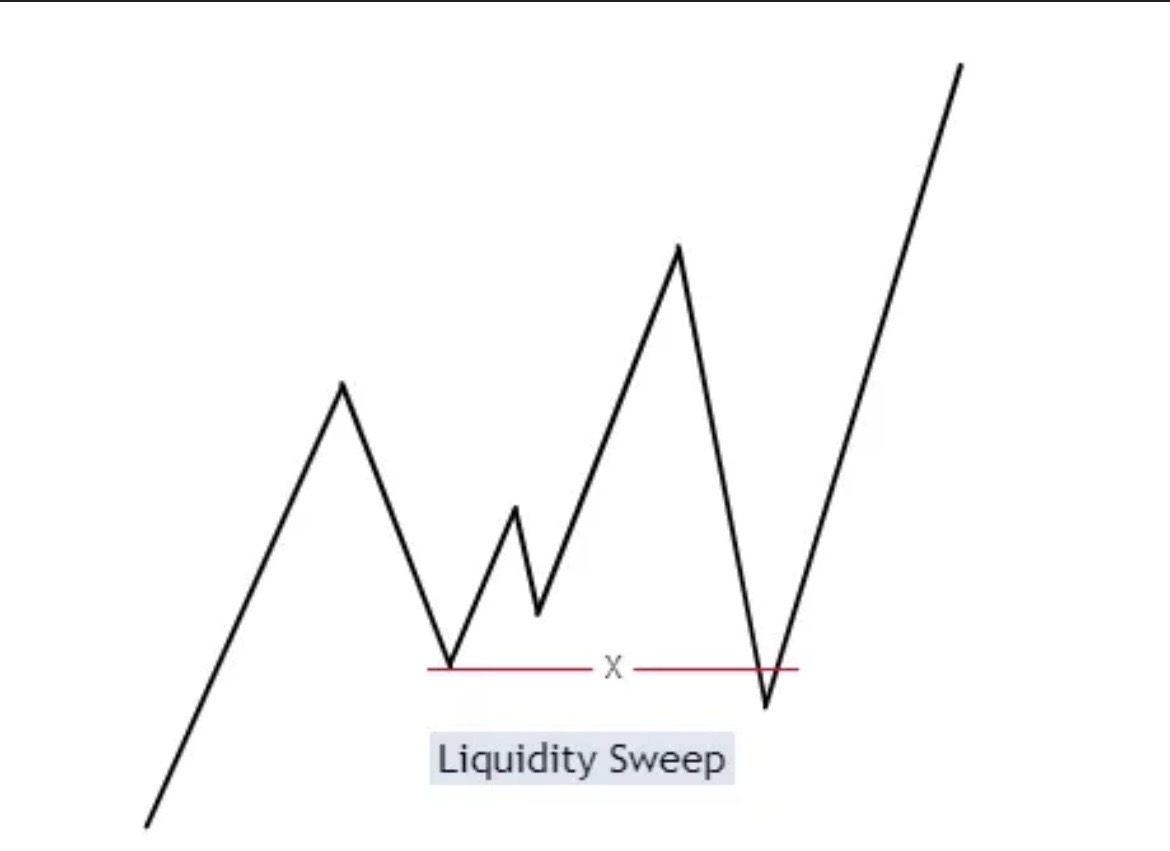
A Liquidity Sweep is a market movement where price moves sharply to capture pending orders (stop-losses, take-profits, or limit orders) before reversing.

Think of it as the market “hunting” liquidity before resuming its main trend.

Liquidity in trading refers to all the buy and sell orders resting in the market.

The market tends to target these zones because large participants (banks, institutions) need liquidity to enter or exit positions.

So a Liquidity Sweep is essentially price triggering stops or grabbing orders before moving back in the direction of the bigger trend.

H
@headies25284 - 12 hours ago

Why Liquidity Sweeps Happen

1.Stop-Loss Hunting by Institutions

Big players rarely just move the market smoothly.

They need liquidity to fill large orders without causing huge slippage.

Example: If many retail traders have buy stops above a resistance level, institutions will push price above that level to trigger those stops (capturing liquidity) before letting the trend resume downward.

2.Order Flow Dynamics

Market makers and banks profit by taking the opposite side of retail trades.

By sweeping liquidity, they ensure they have enough volume to execute large orders without moving the market drastically against them.

3.News or Economic Events

Fast market movements during news releases often hit stops or pending orders, creating what looks like a wick spike on the chart.

Experienced traders often watch these wick formations as liquidity sweeps.

H
@headies25284 - 12 hours ago

How to Identify a Liquidity Sweep?

1.Price spikes past a key support or resistance level

Example: EUR/USD breaks above 1.1000 with a long wick, then closes back below.

This is likely a liquidity grab, not a full breakout.

2.Clustering of stop-losses

Retail traders usually place stops just above resistance or below support.

When the market hits those levels quickly and reverses, it’s a sweep.

3.False Breakouts

Often a liquidity sweep looks like a breakout, but the market quickly reverses.

These wicks are fuel for institutions to enter larger positions.

4.Volume spikes

On higher timeframes, liquidity sweeps often coincide with higher-than-normal trading volume, showing that orders were executed.

H
@headies25284 - 6 hours ago

Common Locations for Liquidity Sweeps

Liquidity sweeps frequently occur at:

Previous daily highs and lows

London session highs/lows

Asian session highs/lows

Equal highs and equal lows

Major support and resistance

Psychological price levels

These areas contain large clusters of retail stop losses.

H
@headies25284 - 6 hours ago

How Traders Use Liquidity Sweeps?

Professional traders often:

Identify liquidity zones

Wait for the market to sweep them

Enter after confirmation

Typical confirmation signals include:

Strong rejection candle

Market structure shift

Break of minor structure

H
@headies25284 - 5 hours ago
Quoted - hipkin_mike

I disagree, large banks/institutional players dont need your liquidity to enter a position, they are the liquidity themselves. Why will a market maker like Citadel who control $68 billion ininvestment be looking for a retail traders $100 to enter a position?

You mentioned that large institutions are the liquidity themselves, and that is largely correct.

Major market participants include:

Global banks

Hedge funds

Asset managers

High-frequency trading firms

Market makers

These participants provide most of the liquidity in financial markets.

For example, in the Forex market, large banks such as JPMorgan Chase, Deutsche Bank, and Citadel Securities are major liquidity providers.

So your point stands: a bank managing billions does not need a retail trader’s $100 stop loss to enter a position.

Retail traders are simply too small to matter individually.