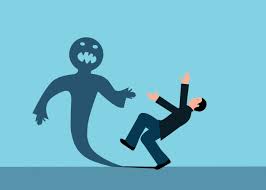
what is FOMO in trading & how does it manifest?
Imagine you wake up in the morning, open the charts and see the market rising, then you just click on the buy button without even doing any analysis; then you just traded out of FOMO. Even if you see price rising, Dows theory says trends have different phases such as accumulation (where th trend is just starting), participation phase (when you see price move fast in the direction of the trend) and distribution phase (when those who entered at the accumulation phase begin to cash out and exit).
Now, if you see a trend and just rush into the market out of FOMO, you may be entering at the distribution phase where the trend is already losing momentum/dying out. After you enter, you may see that the trend begins to reverse and you start seeing losses.
FOMo for me is basically when you try to chase the market and because you enter in a hurry, you fail to do the necessary technical analysis which you usually do. To fight FOMO, I always tell myself that there will always be another trade so even if i miss one setup I dont try to chase it. Sometimes, the best trade is no trade because although you do not make money, you also will not lose money đ
FOMO stands for Fear of Missing Out.
In trading, itâs a psychological phenomenon where a trader feels pressured to enter a trade because they are afraid of missing a profitable opportunity, even if it doesnât fit their plan or strategy.
Itâs one of the most common emotional traps in trading.
FOMO usually shows up in these ways:
1. Jumping Into Trades Too Late
Seeing a currency pair, stock, or crypto âtaking off,â traders feel they must join immediately.
Often leads to buying at the peak after most profits have already occurred.

2. Overtrading
Traders take extra trades they normally wouldnât, just to avoid missing opportunities.
Can happen after watching news, social media, or other tradersâ activity.
3.Ignoring Risk Management
Traders may skip stop-losses, increase position sizes, or trade outside their plan.
FOMO can make people take high-risk trades they wouldnât usually consider
2. Overtrading
Traders take extra trades they normally wouldnât, just to avoid missing opportunities.
Can happen after watching news, social media, or other tradersâ activity.
3.Ignoring Risk Management
Traders may skip stop-losses, increase position sizes, or trade outside their plan.
FOMO can make people take high-risk trades they wouldnât usually consider
4. Emotional Decisions
Decisions are driven by fear rather than analysis.
Can cause impulsive entry or exit from trades.
5. Chasing Trends
Traders feel they must âride the trendâ after itâs already moving fast.
This often results in buying high and selling low, which is the opposite of smart trading practice.