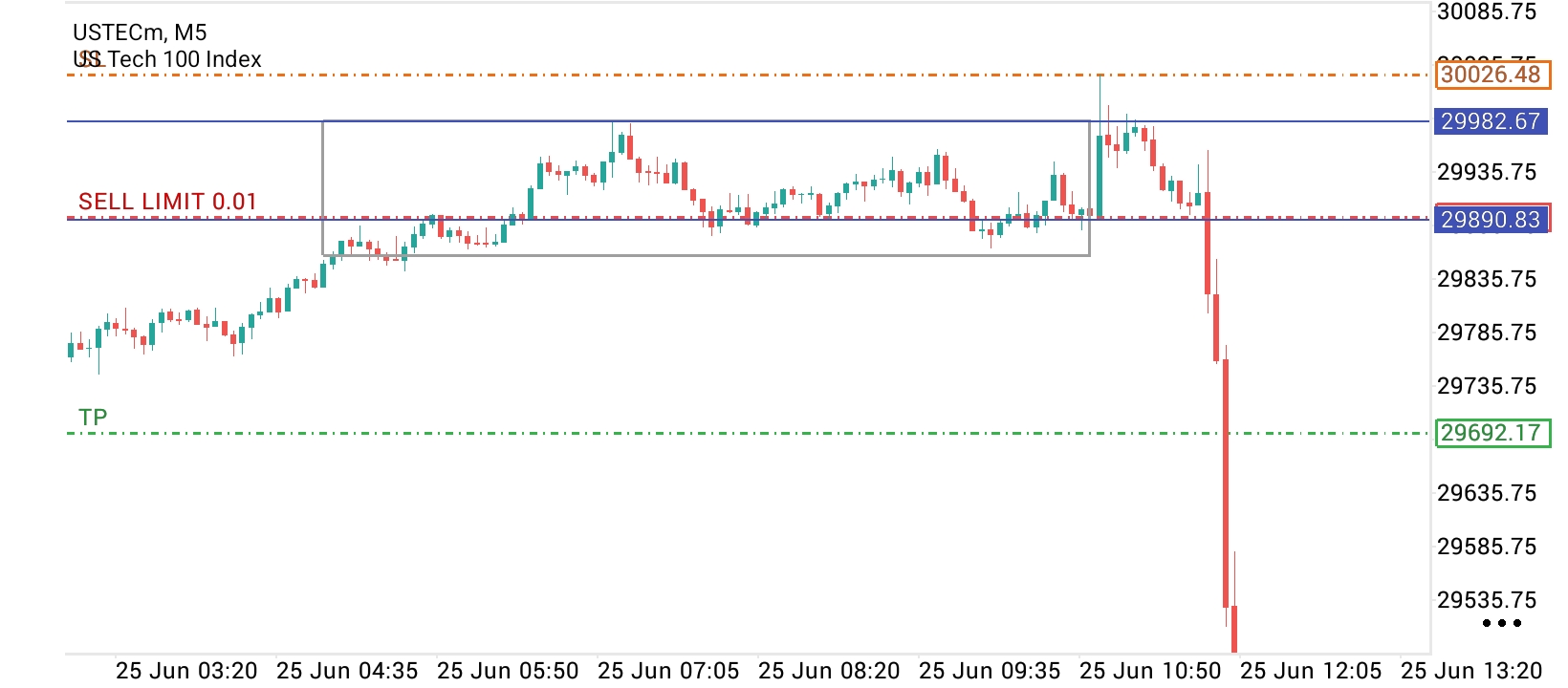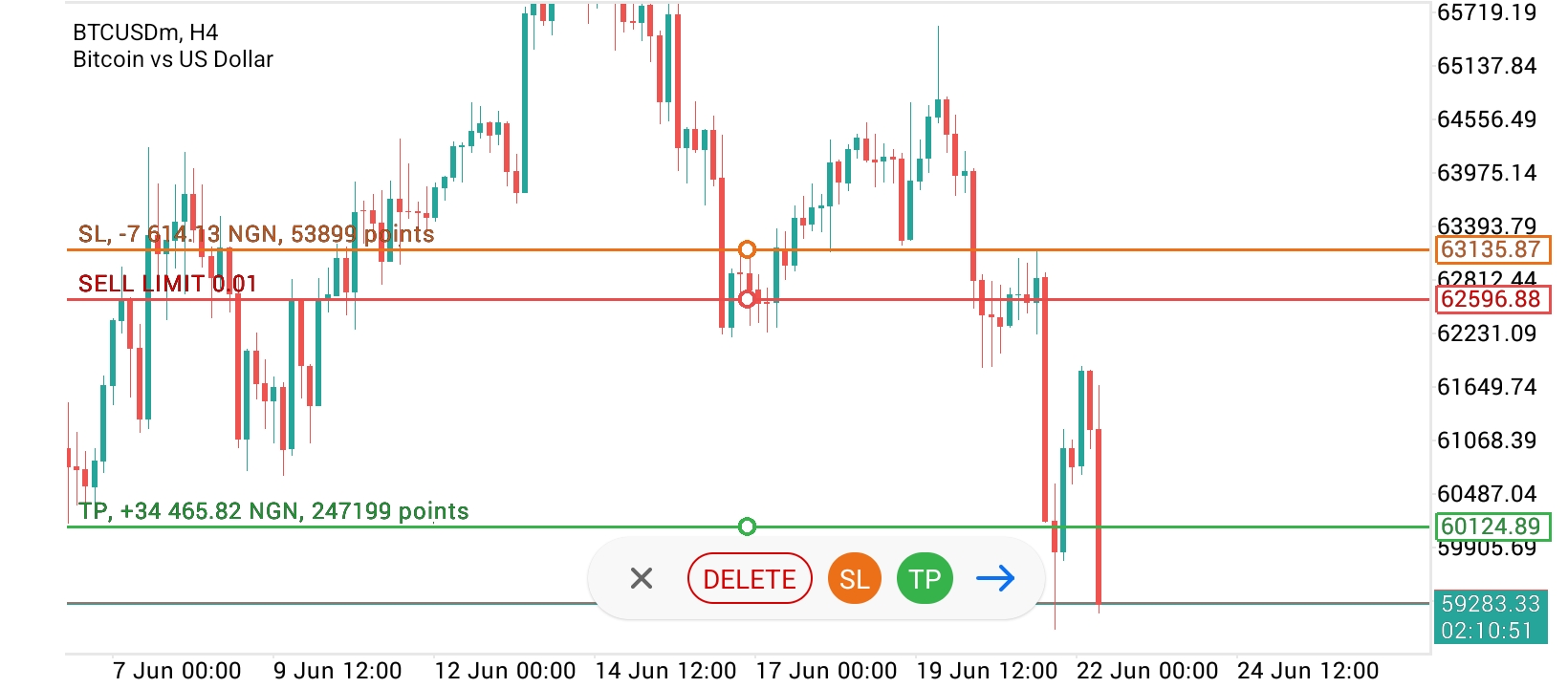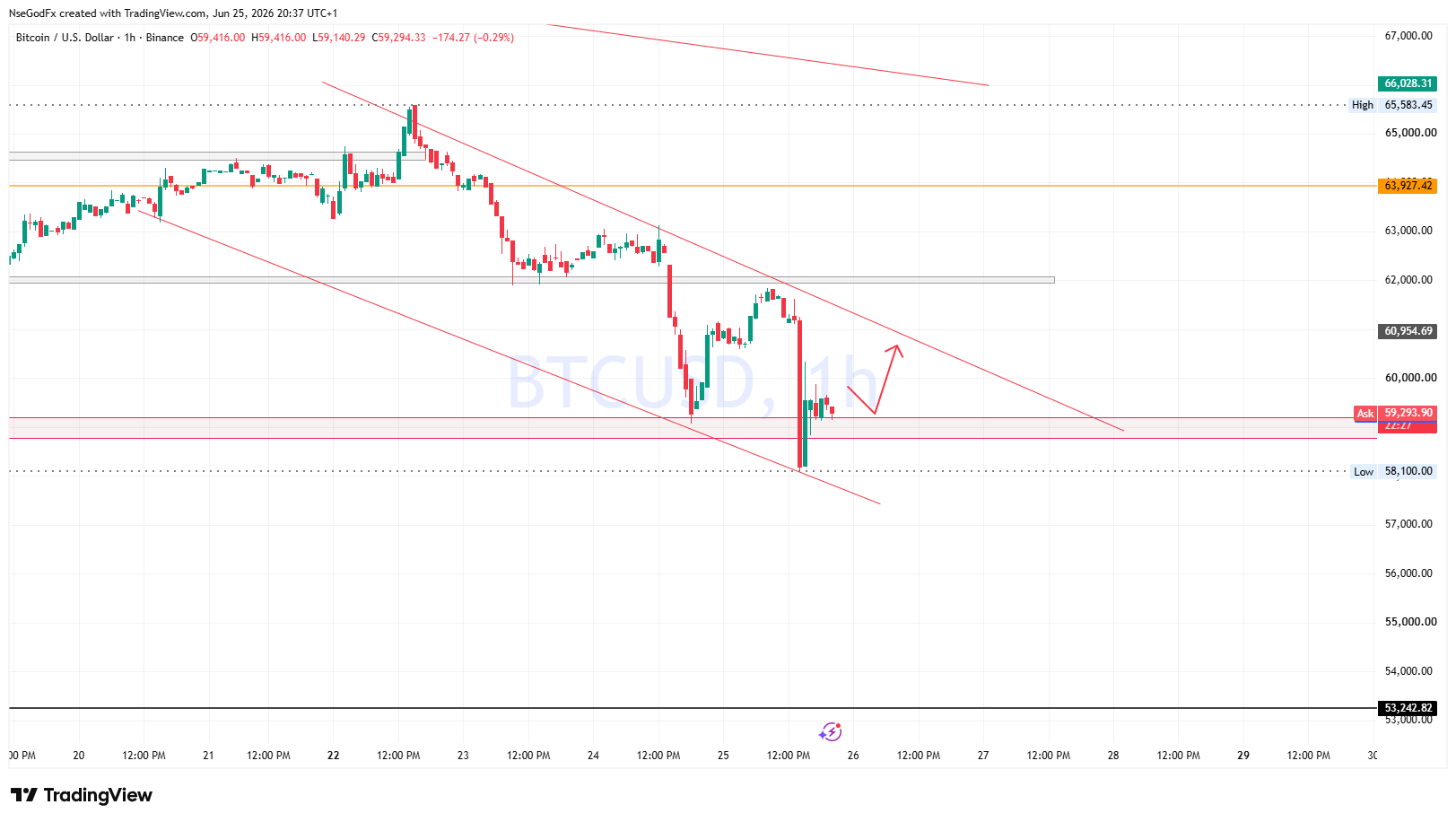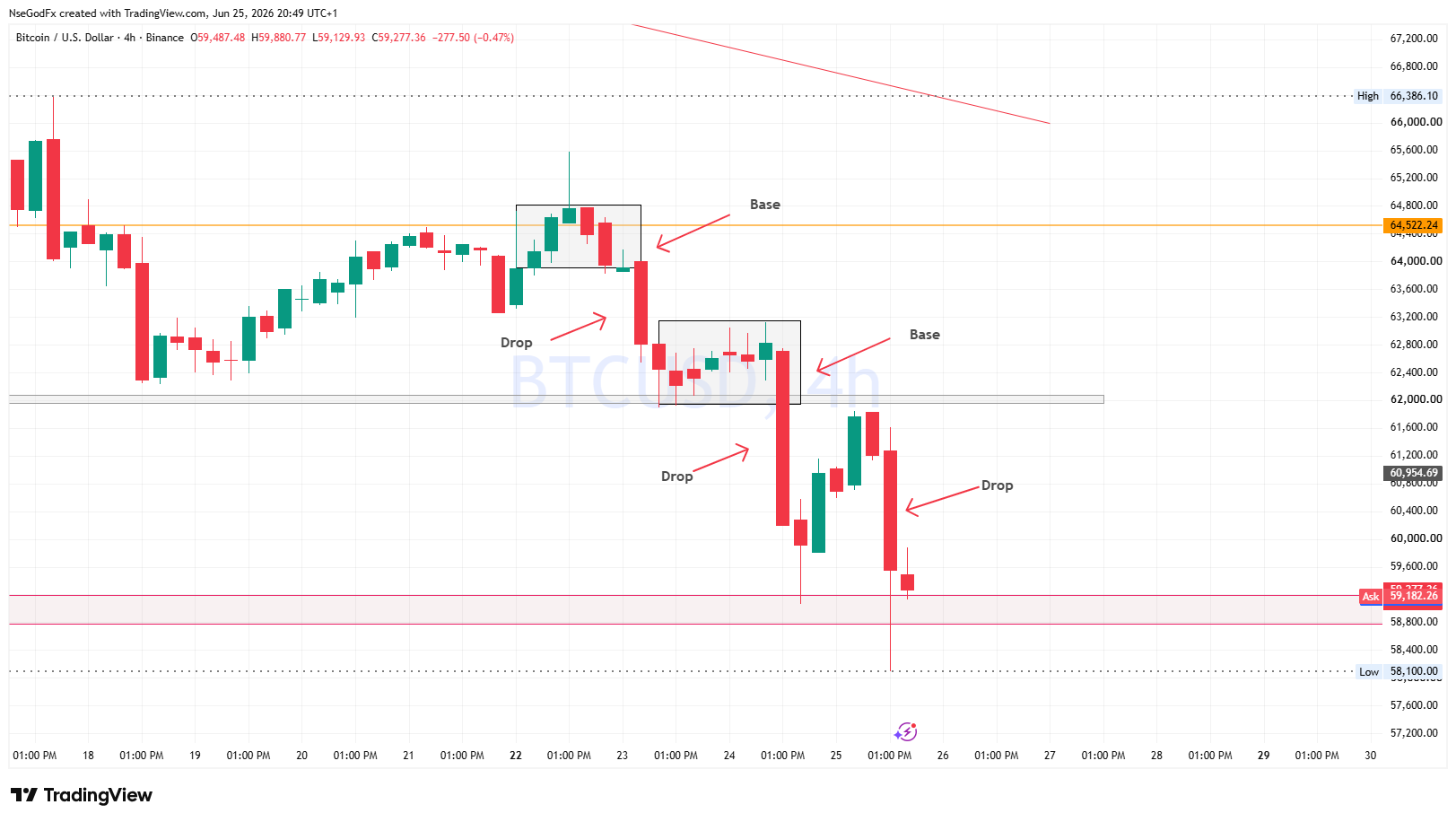
Most retail traders believe institutions simply buy and price goes up.
The reality is far more complex.
Large players cannot enter massive positions with a single click. Doing so would move the market against them and result in poor execution.
Instead, positions are often built through a process
1️⃣ Liquidity Identification
Before entering size, institutions need liquidity.
They look for areas where stop losses, breakout traders, and pending orders are concentrated.
These liquidity pools become potential targets.
2️⃣ Liquidity Sweep
Price is pushed into these liquidity zones.
Stops are triggered.
Breakout traders enter.
Liquidity becomes available.
This is where many retail traders mistake a sweep for a genuine breakout.
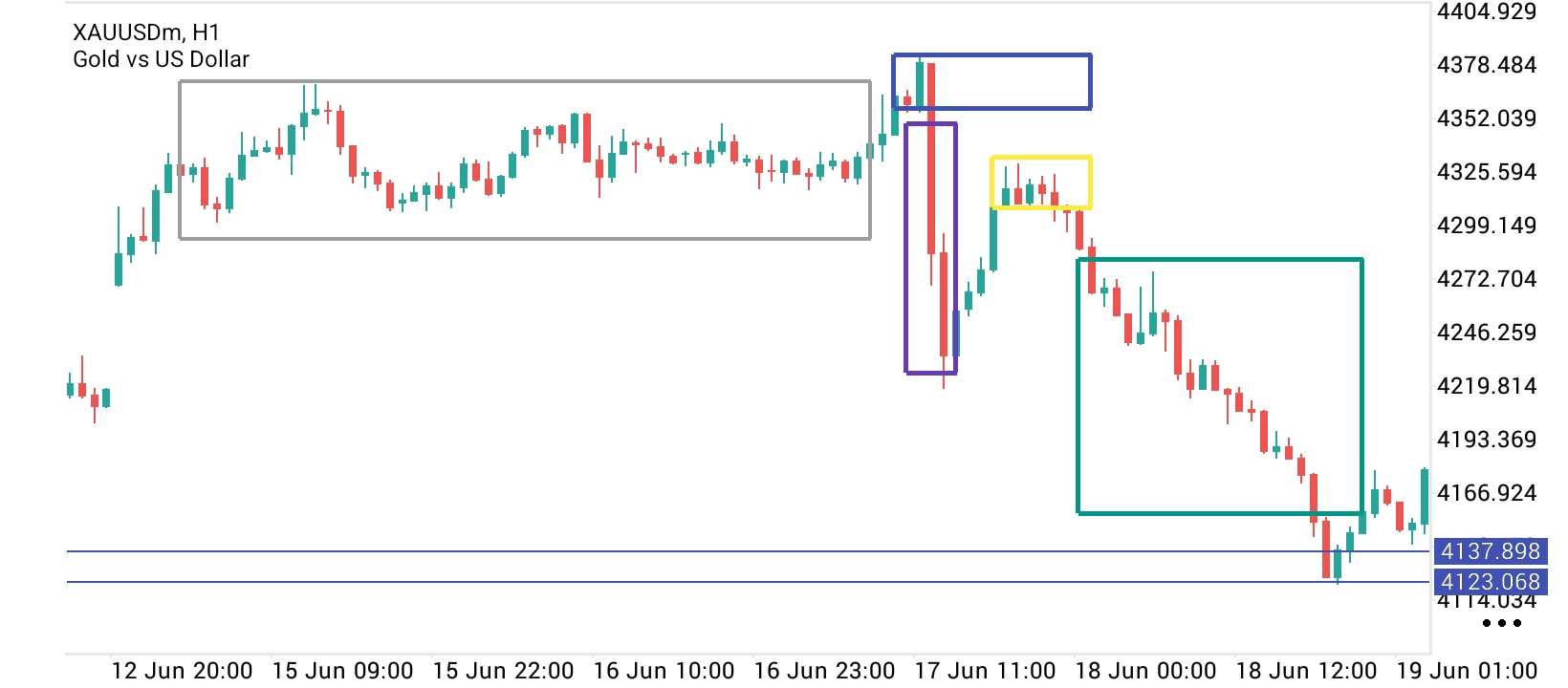
3️⃣ Position Accumulation
Once liquidity is collected, larger players can begin building positions more efficiently.
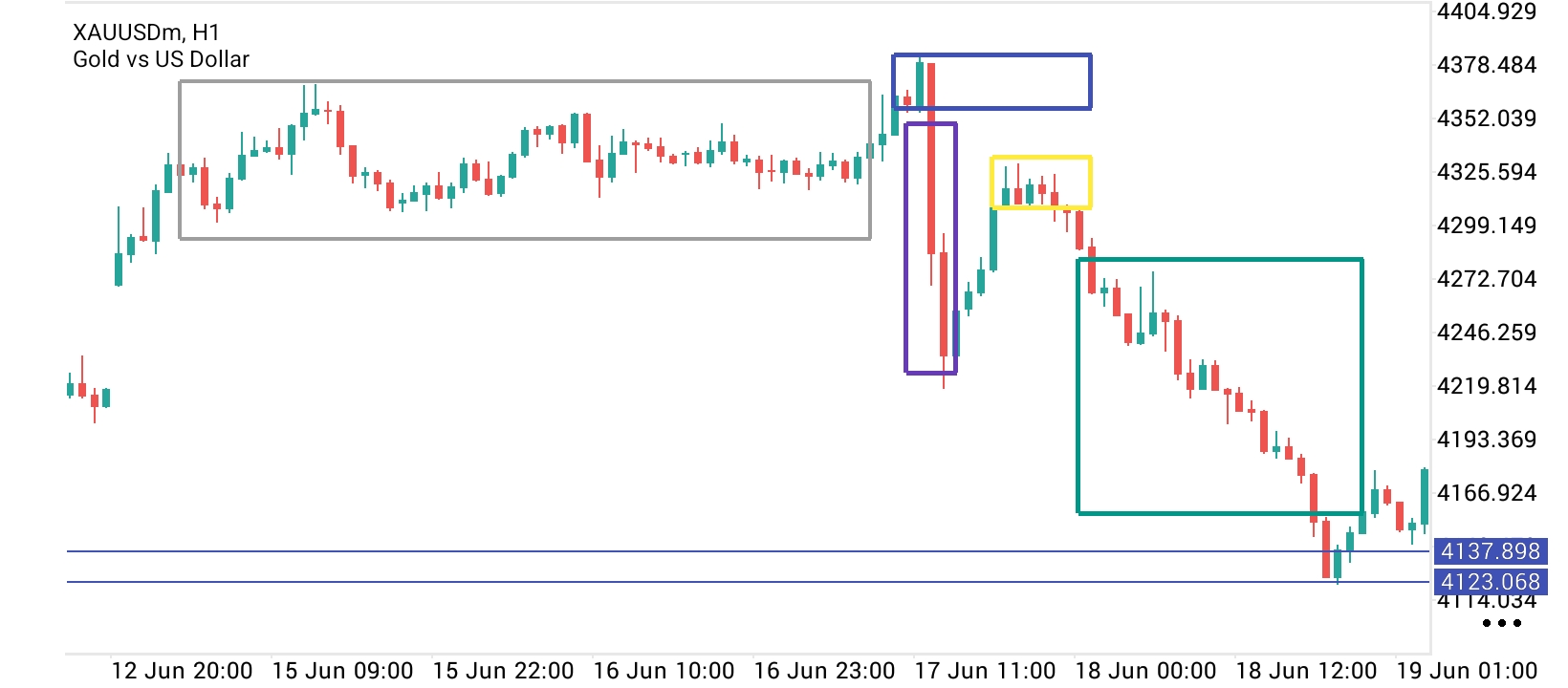
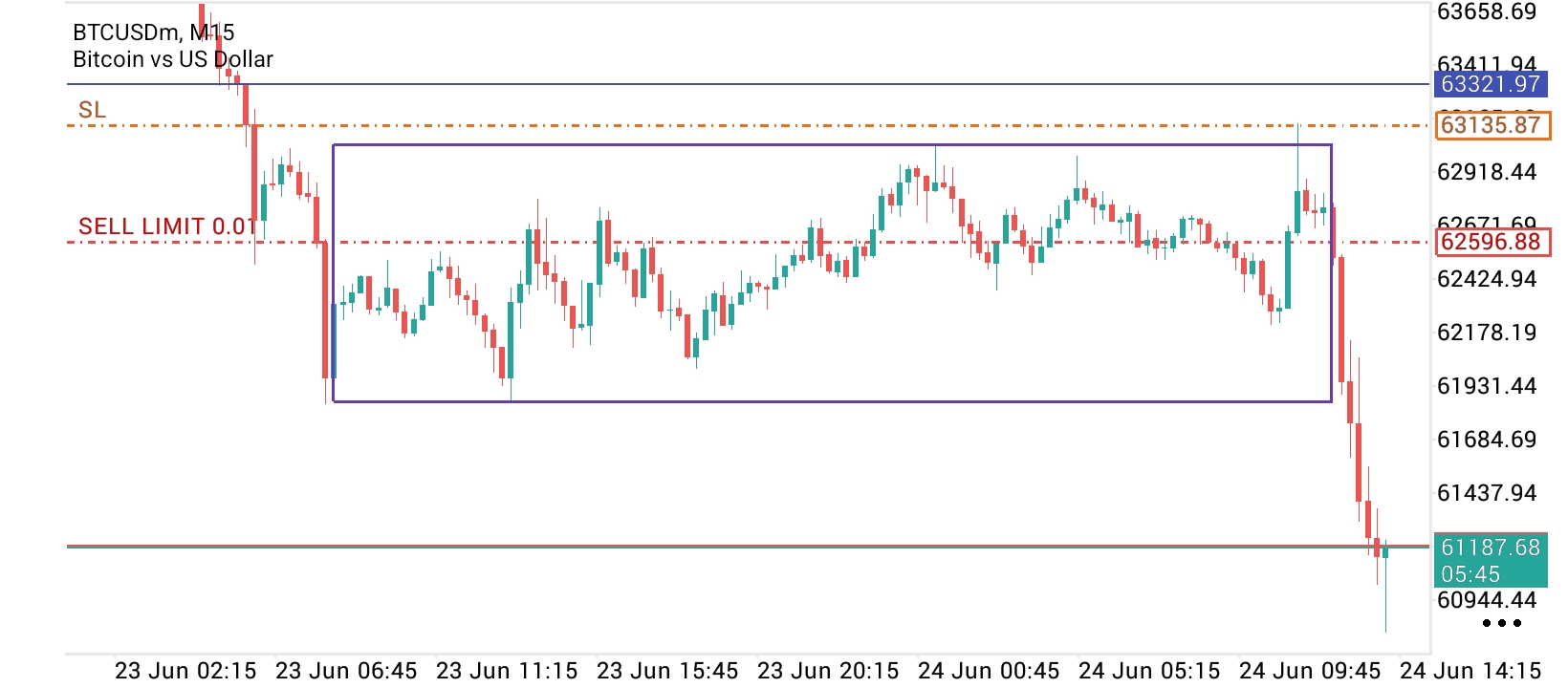
Price may consolidate, slow down, or form a range while orders are being absorbed.
Patience is often required during this phase.
4️⃣ Displacement
After sufficient positions have been established, price begins to move aggressively away from the accumulation area.
Strong candles appear.
Market structure shifts.
Momentum enters the market.
This is where many traders finally notice the move.
5️⃣ Expansion
Price seeks the next liquidity objective.
The market now moves with purpose toward higher-timeframe targets.
This is the phase most traders wish they had entered earlier.
Understanding this process won't predict every move.
But it can help explain why price often behaves in ways that seem irrational to the average trader.
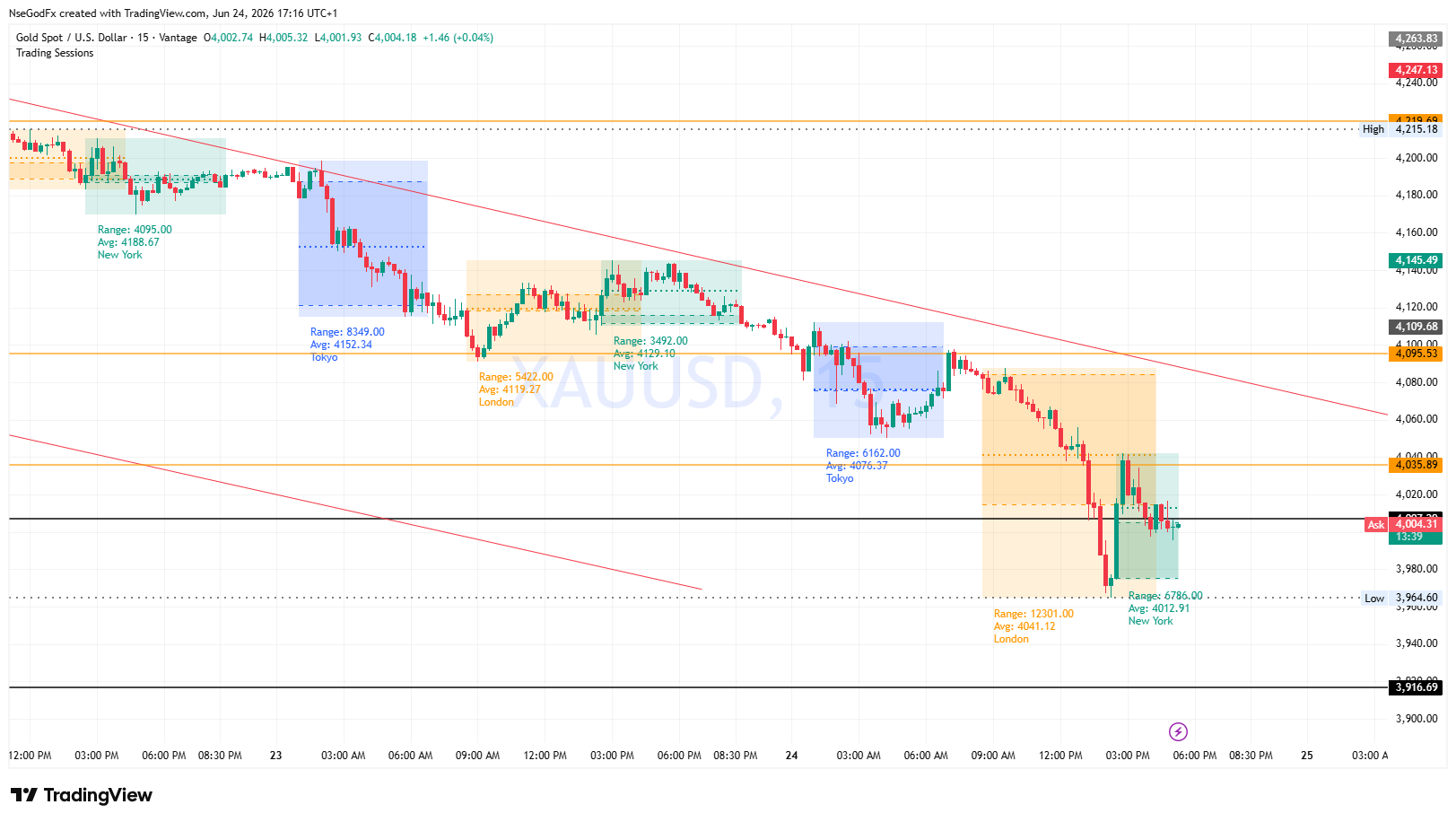
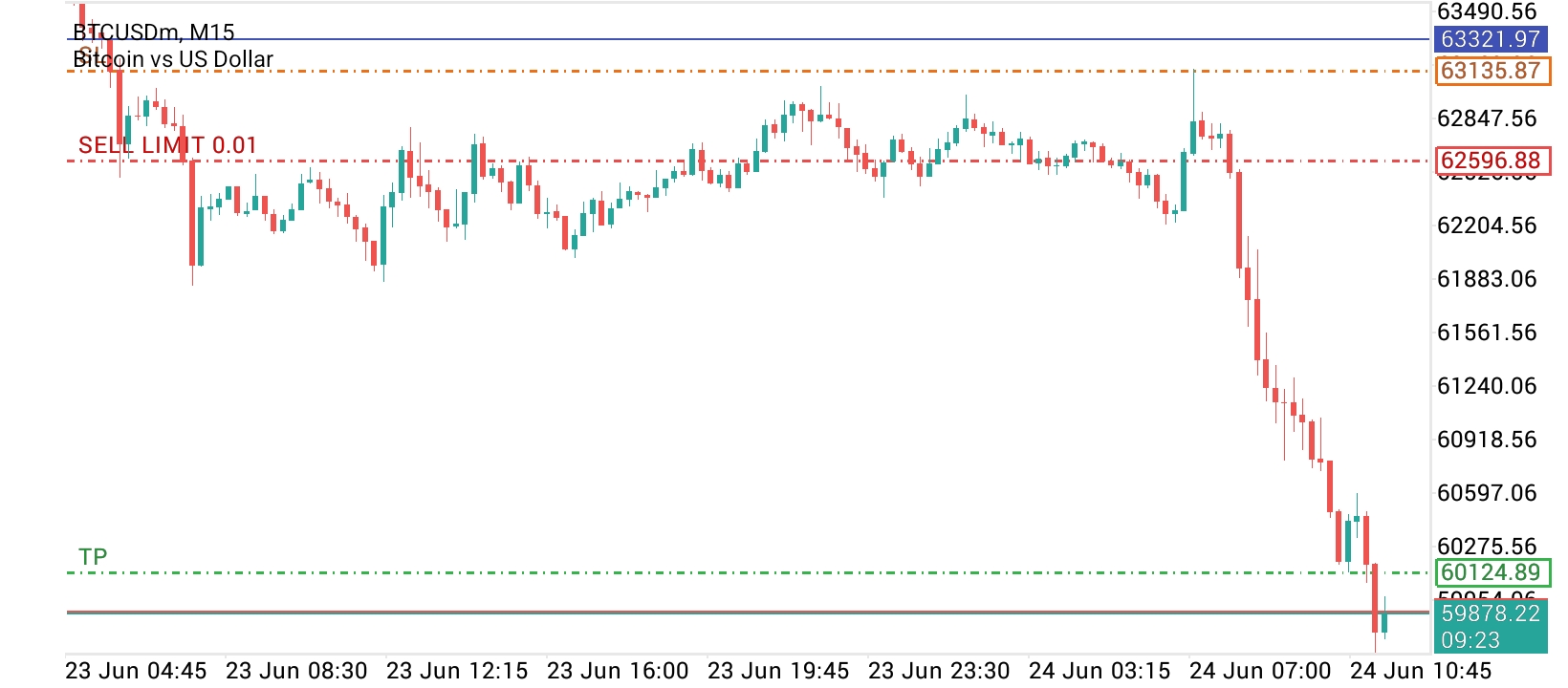
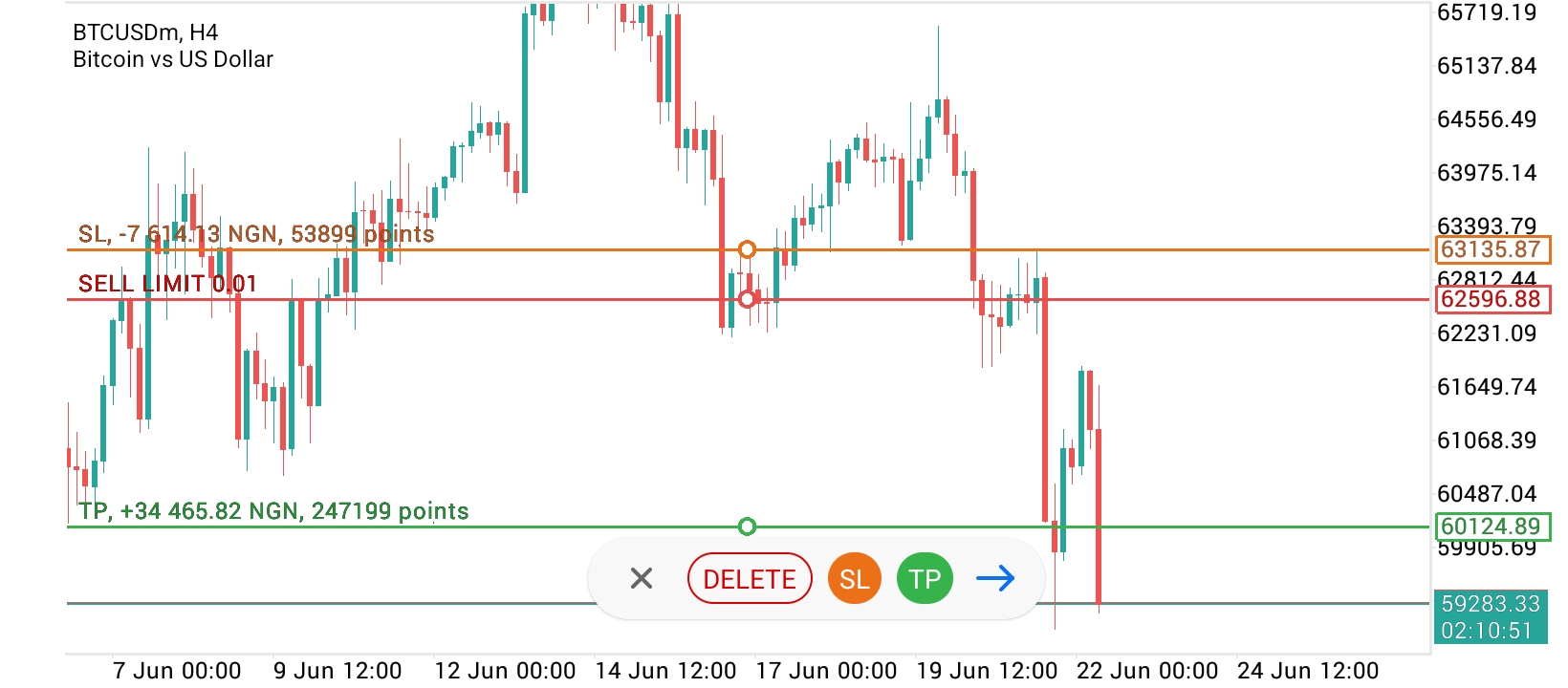
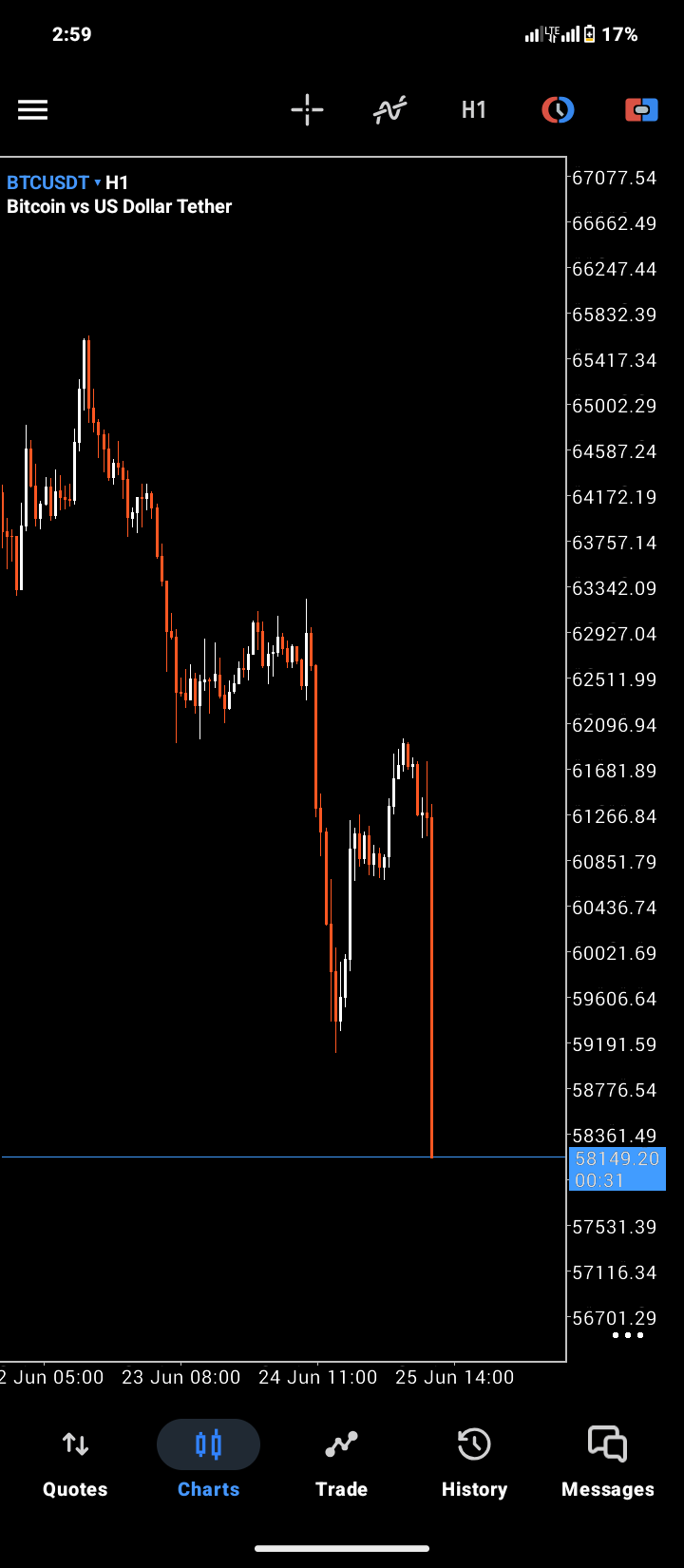
Throughout this thread, I'll be sharing real market examples from Forex, Gold, and Indices that demonstrate these concepts in action.