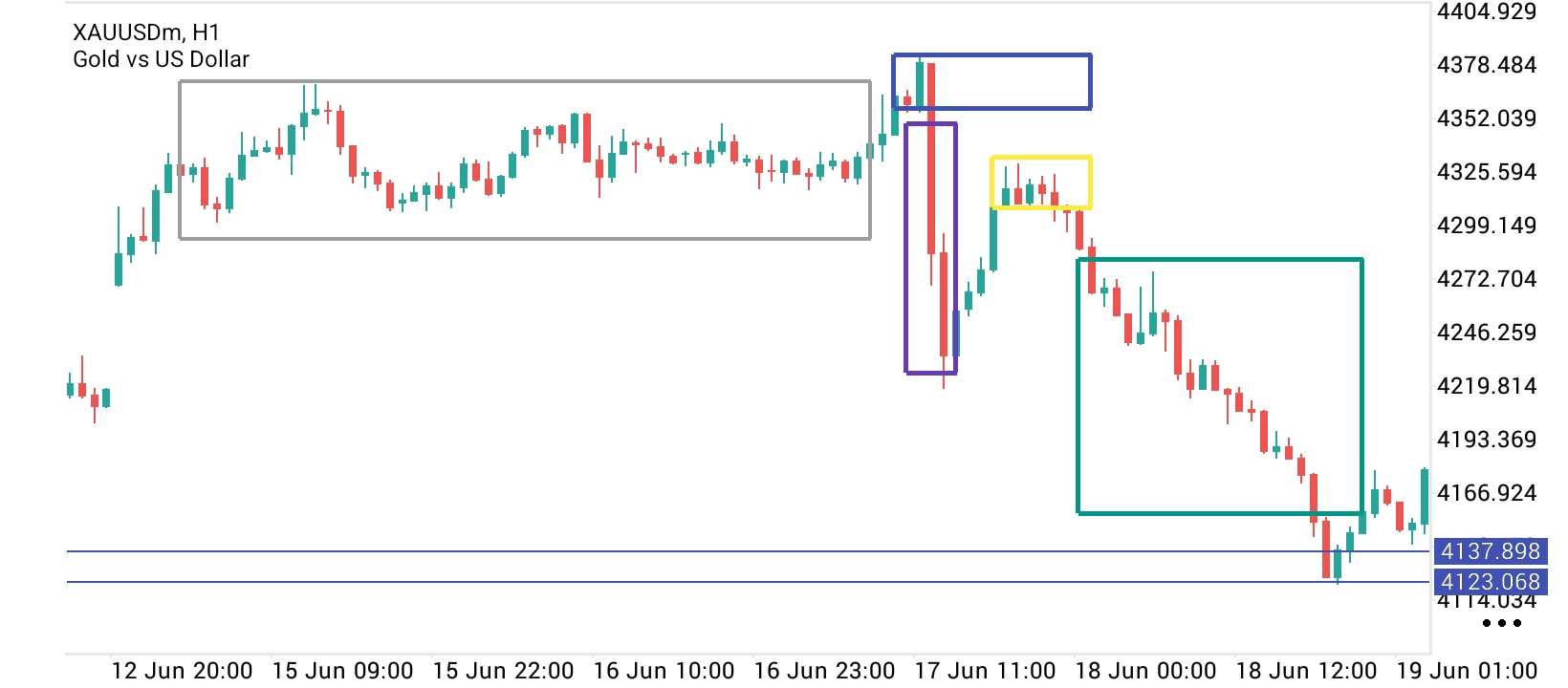
HOW SMART MONEY BUILDS POSITION

Most retail traders believe institutions simply buy and price goes up.

The reality is far more complex.

Large players cannot enter massive positions with a single click. Doing so would move the market against them and result in poor execution.

Instead, positions are often built through a process

1️⃣ Liquidity Identification

Before entering size, institutions need liquidity.

They look for areas where stop losses, breakout traders, and pending orders are concentrated.

These liquidity pools become potential targets.

2️⃣ Liquidity Sweep

Price is pushed into these liquidity zones.

Stops are triggered.

Breakout traders enter.

Liquidity becomes available.

This is where many retail traders mistake a sweep for a genuine breakout.

3️⃣ Position Accumulation

Once liquidity is collected, larger players can begin building positions more efficiently.

Price may consolidate, slow down, or form a range while orders are being absorbed.

Patience is often required during this phase.

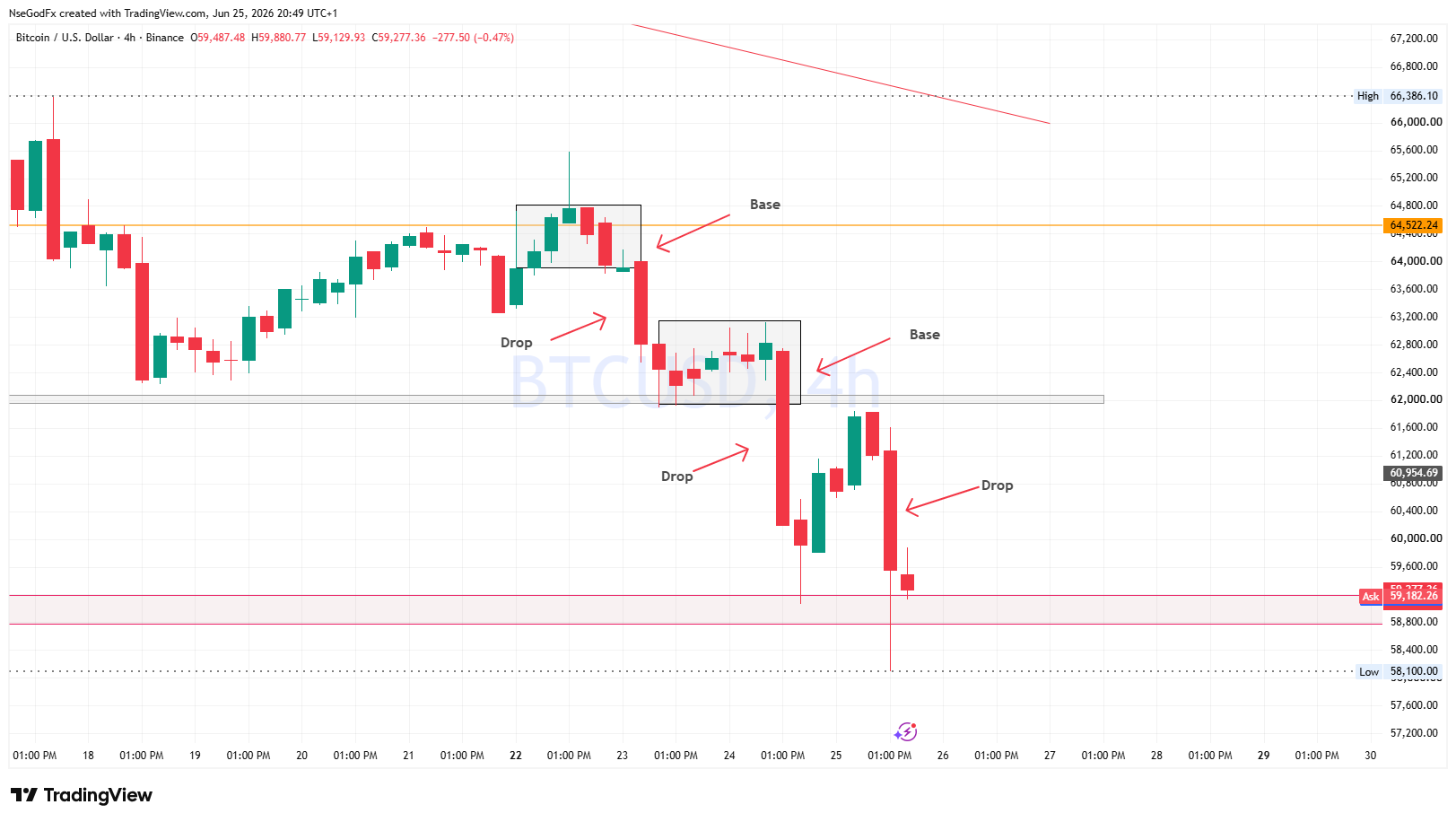
4️⃣ Displacement

After sufficient positions have been established, price begins to move aggressively away from the accumulation area.

Strong candles appear.

Market structure shifts.

Momentum enters the market.

This is where many traders finally notice the move.

5️⃣ Expansion

Price seeks the next liquidity objective.

The market now moves with purpose toward higher-timeframe targets.

This is the phase most traders wish they had entered earlier.

Understanding this process won't predict every move.

But it can help explain why price often behaves in ways that seem irrational to the average trader.

Throughout this thread, I'll be sharing real market examples from Forex, Gold, and Indices that demonstrate these concepts in action.

A
@asuquokelvin - 5 hours ago

One thing I've noticed from studying charts is that the biggest moves rarely start where most traders expect them to.

Price often takes out a high or low first, pulls traders into the wrong side of the market, then moves aggressively in the intended direction.

Whether you call it a liquidity grab, stop hunt, or simply market mechanics, it happens more often than most traders realize.

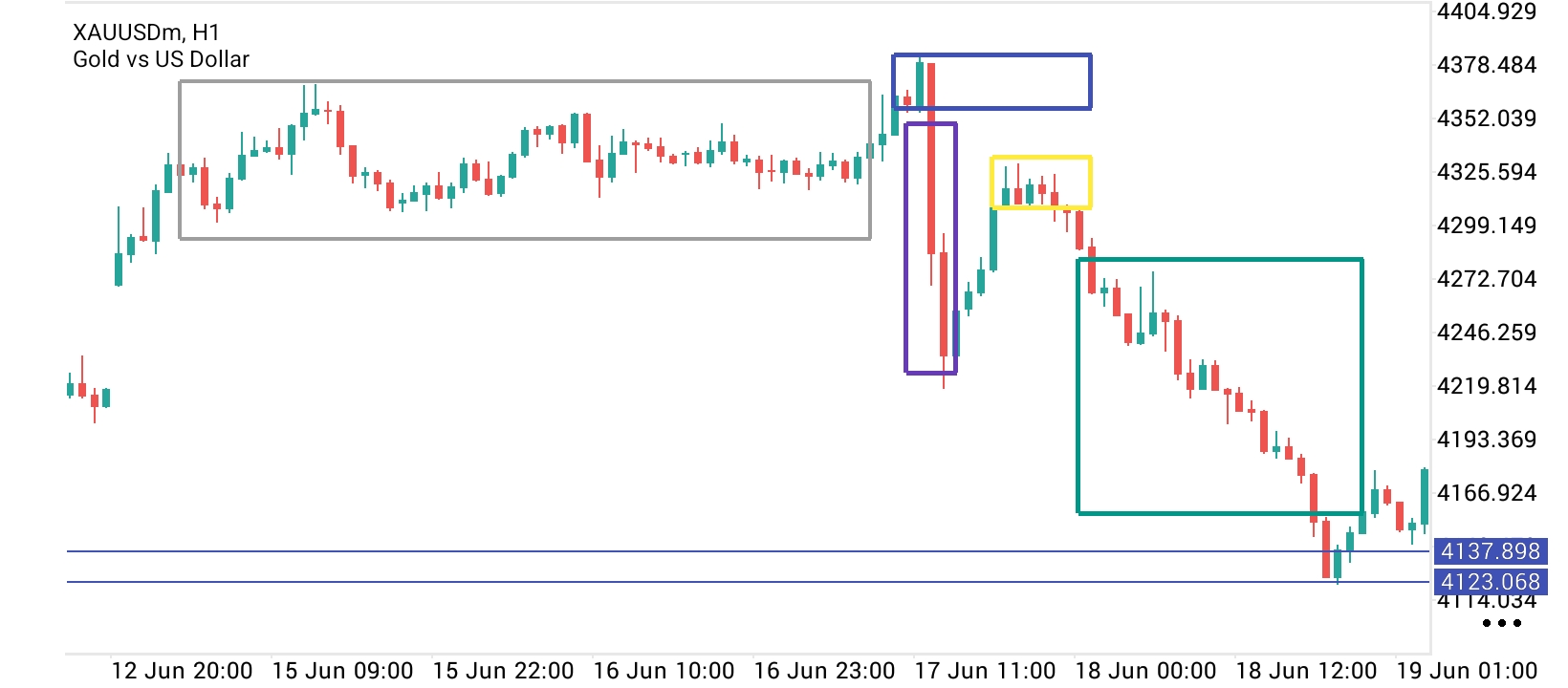
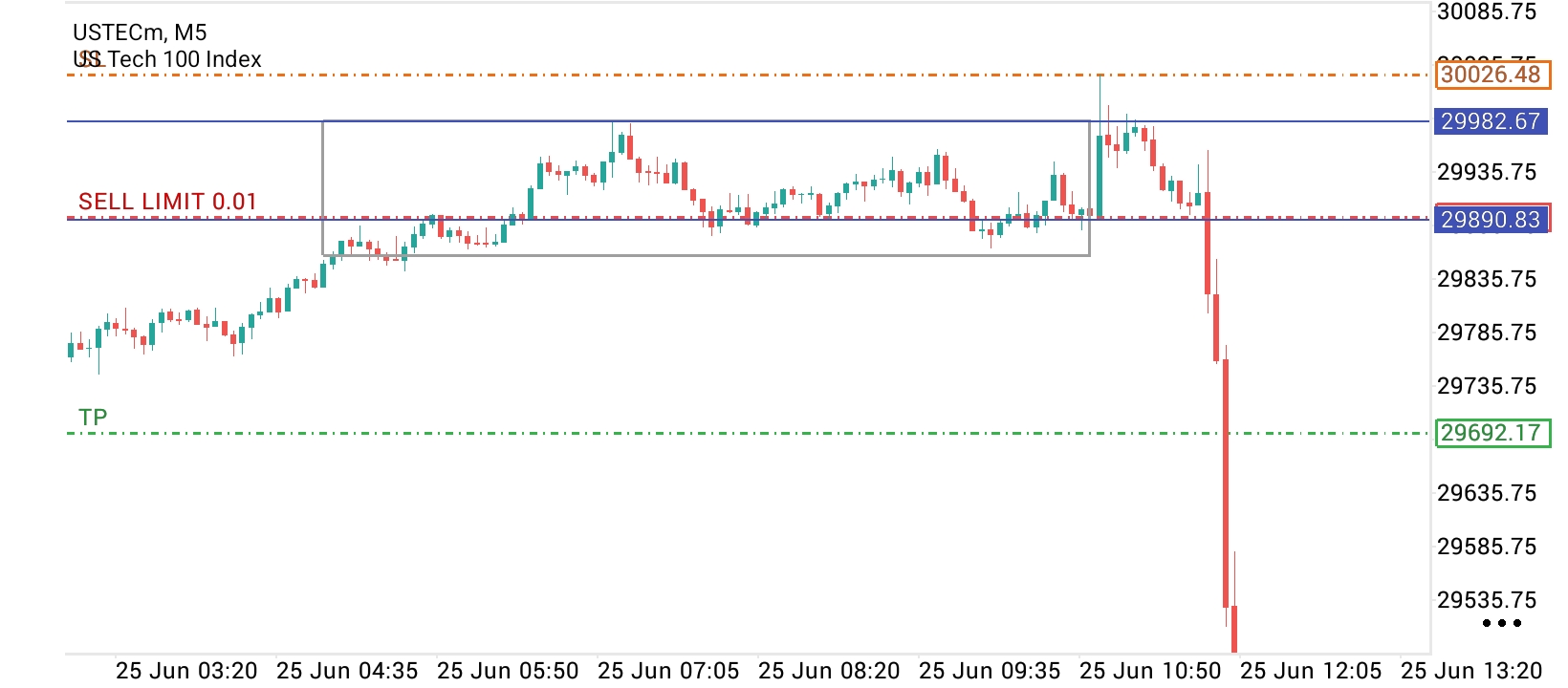
The chart below is a good example.

Price swept liquidity above a key level, attracted breakout buyers, then reversed and delivered the real move.

This is one reason I've started paying more attention to where traders are trapped rather than where they're entering.

A
@asuquokelvin - 4 hours ago
Quoted - marvelous_treasure

Thank you for this❤️

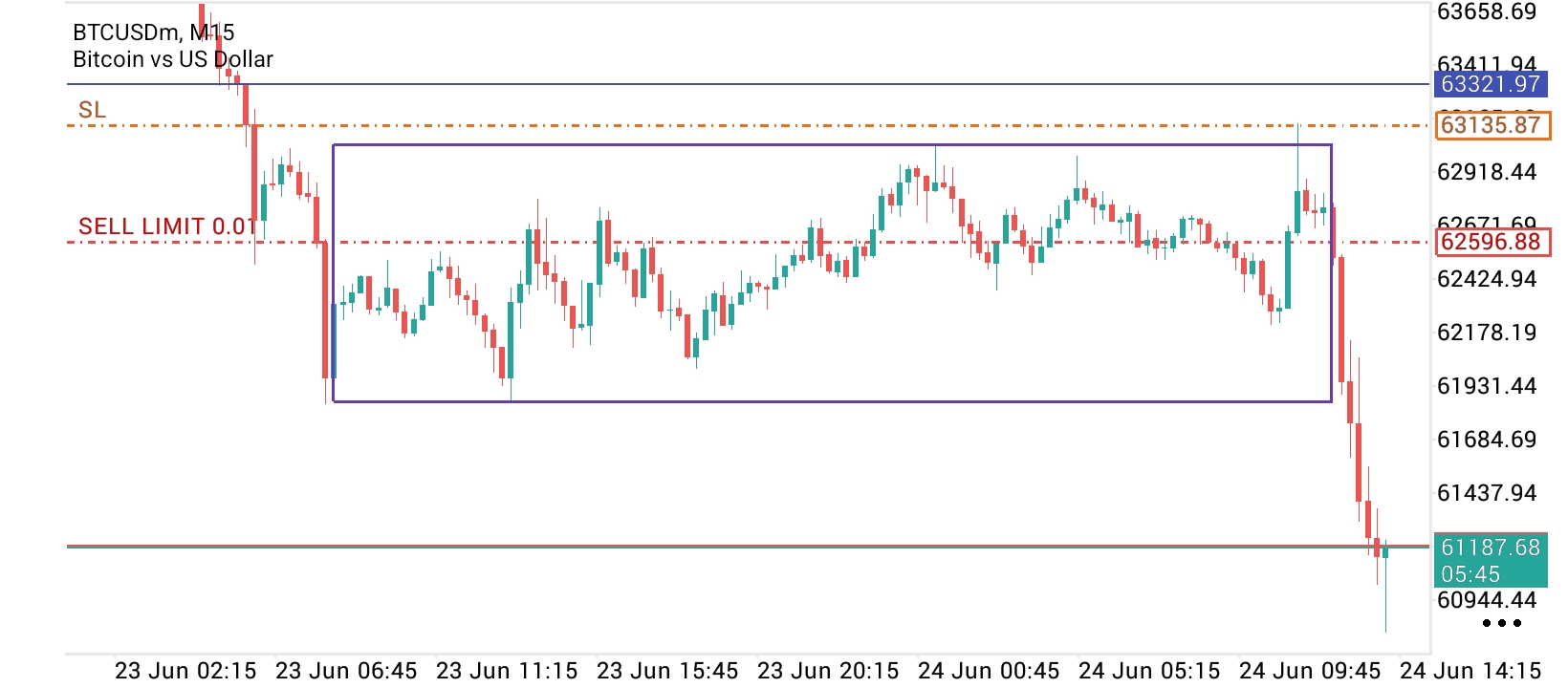
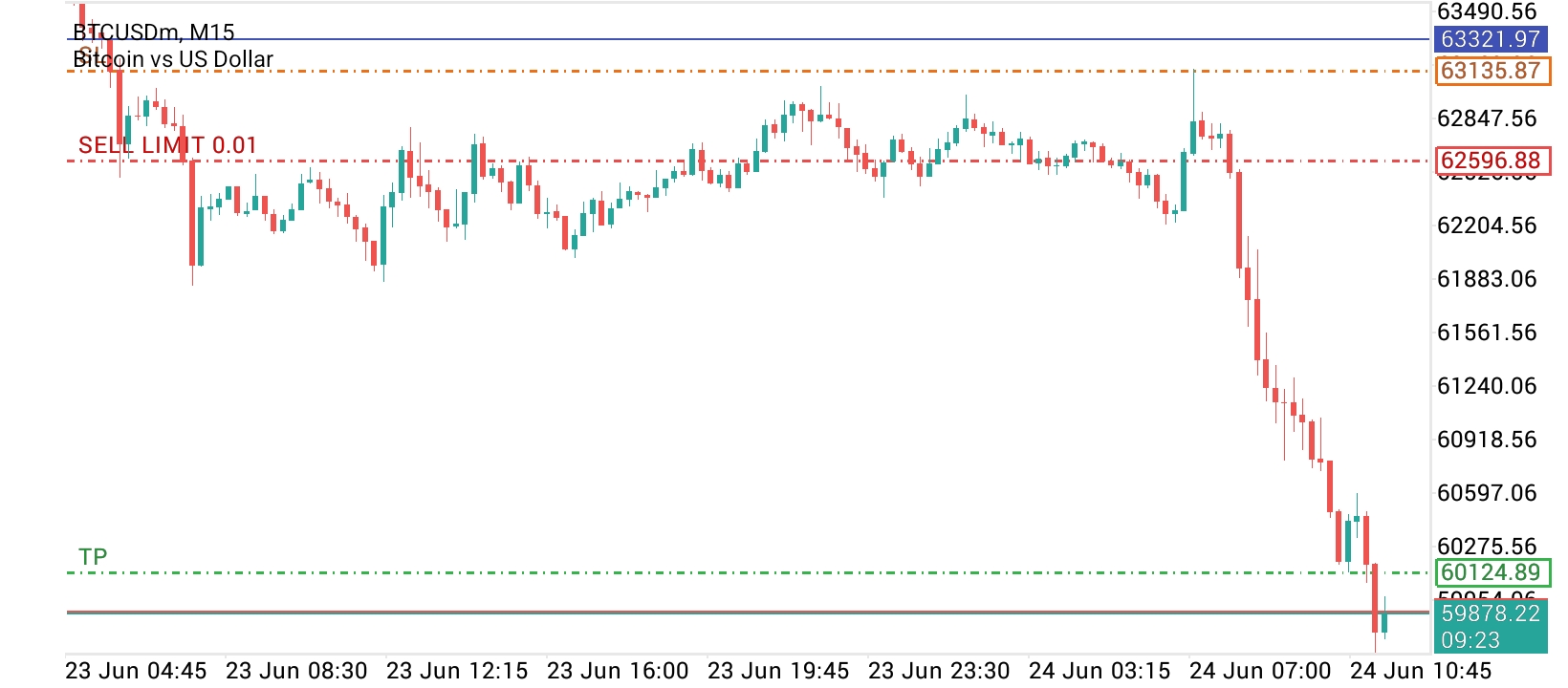
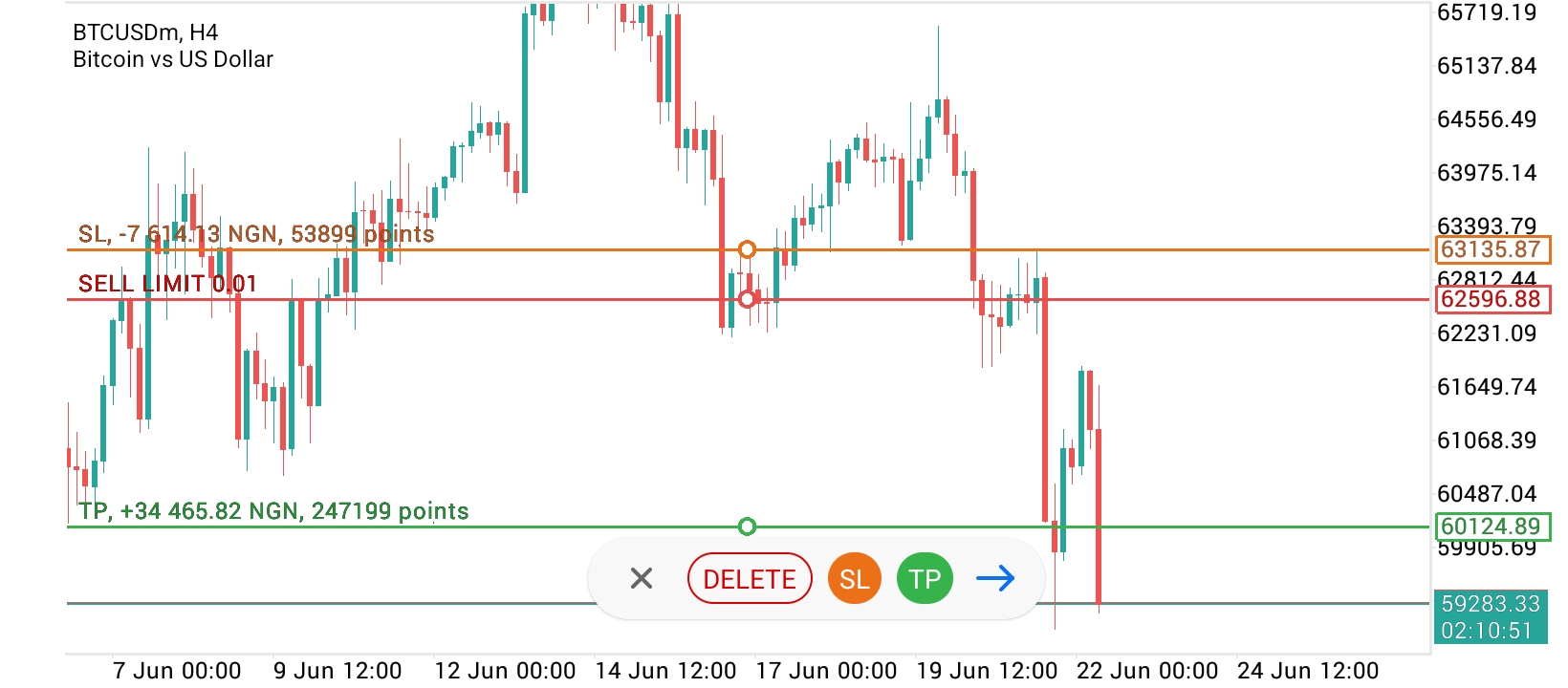
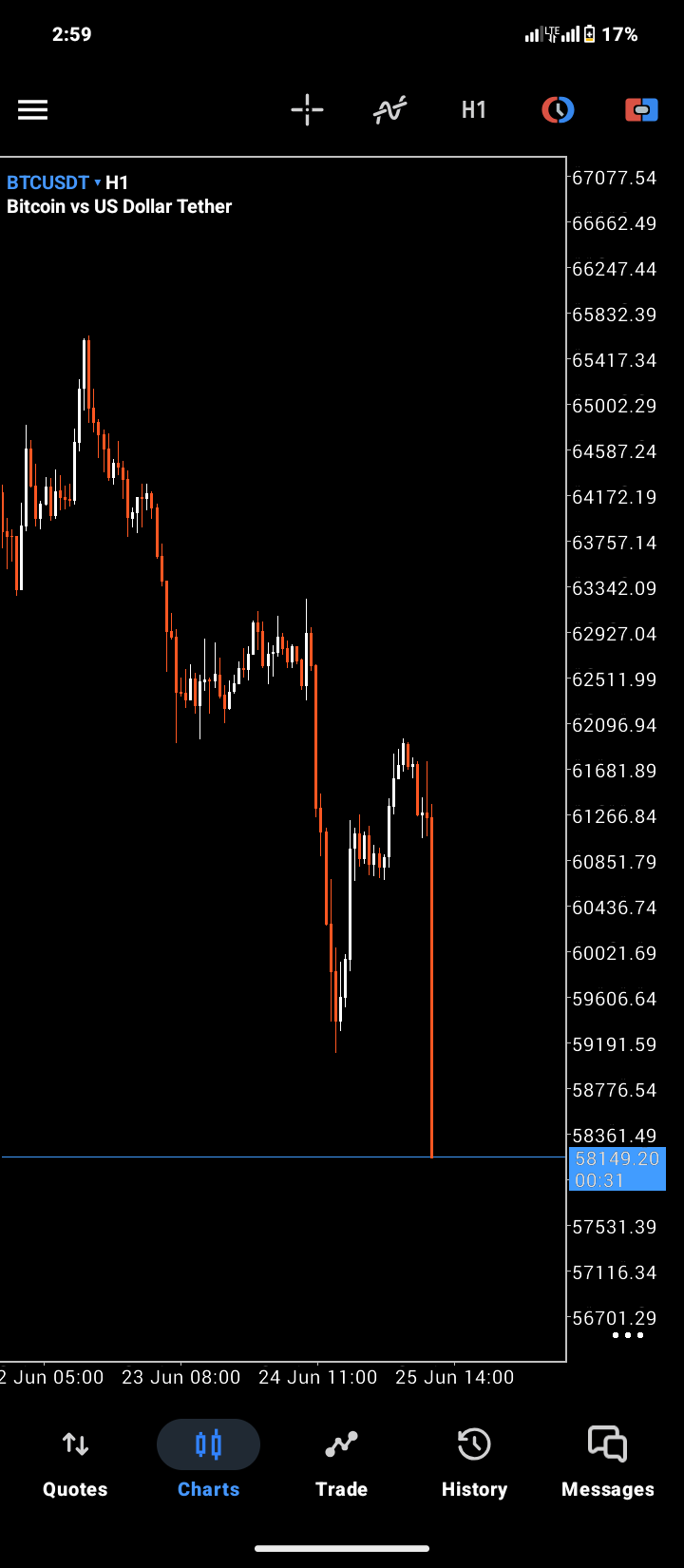
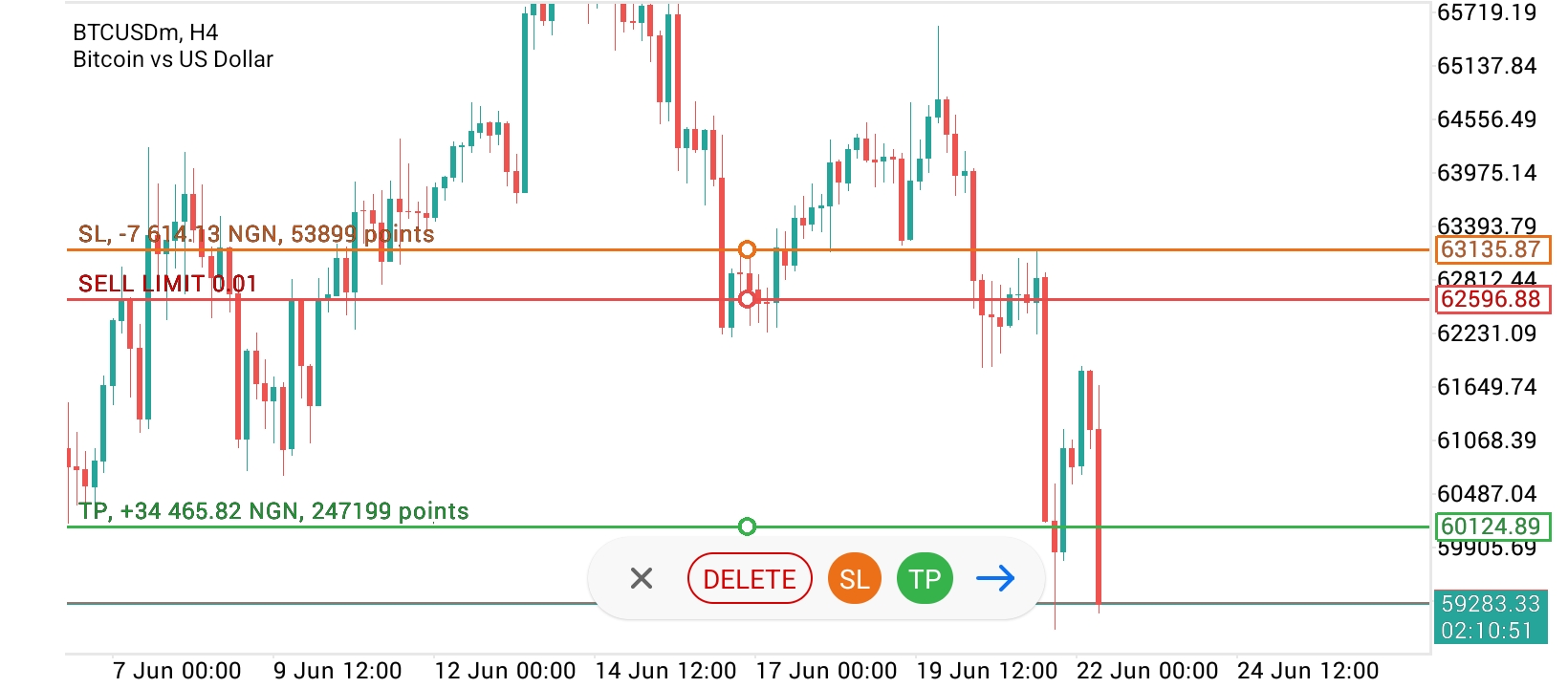
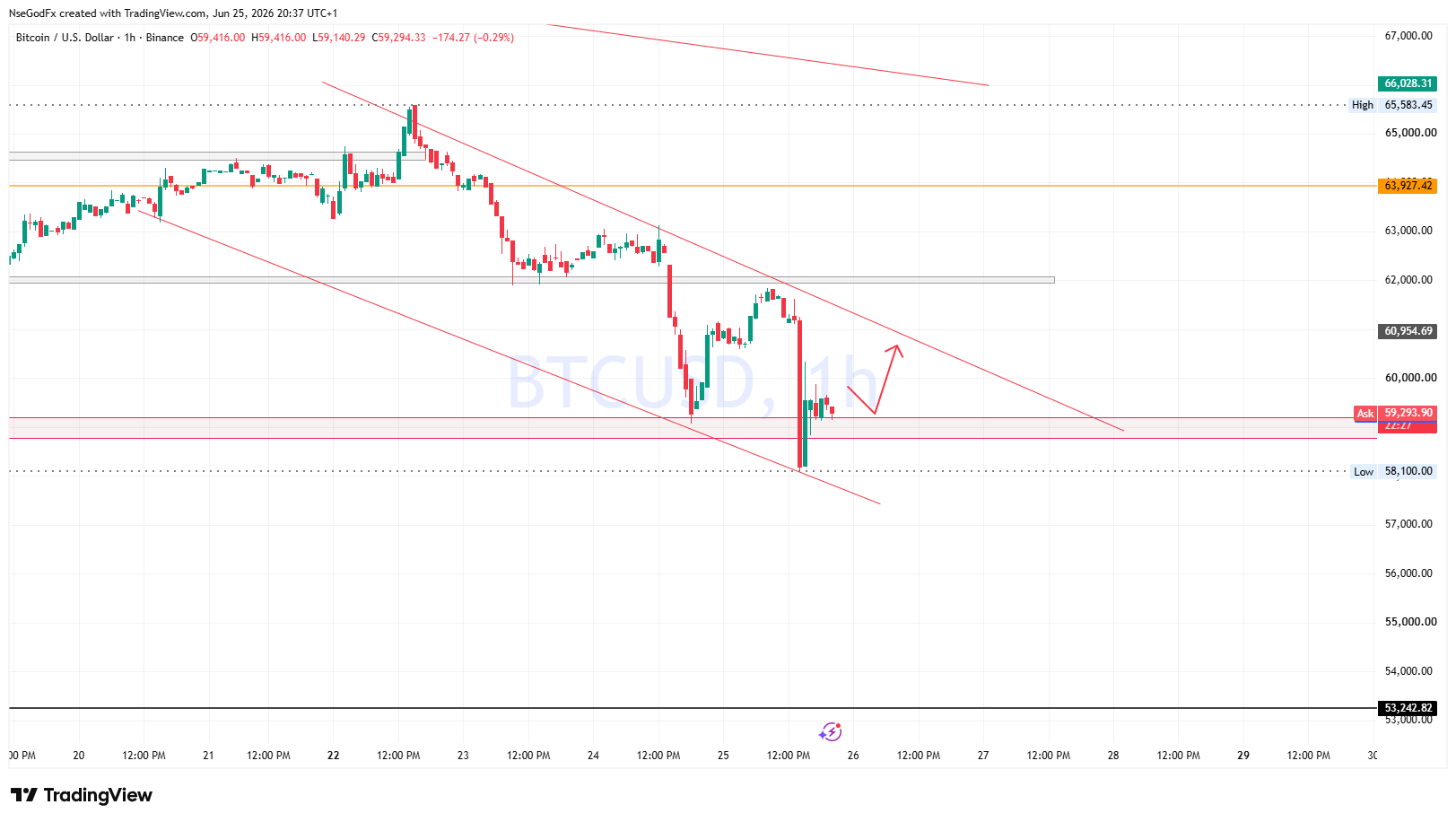
Price might get to that level or maybe not but all I know is that BTC is going to fall , that is a fair value gap level the 62596

A
@asuquokelvin - 2 hours ago
Quoted - nsg_usd

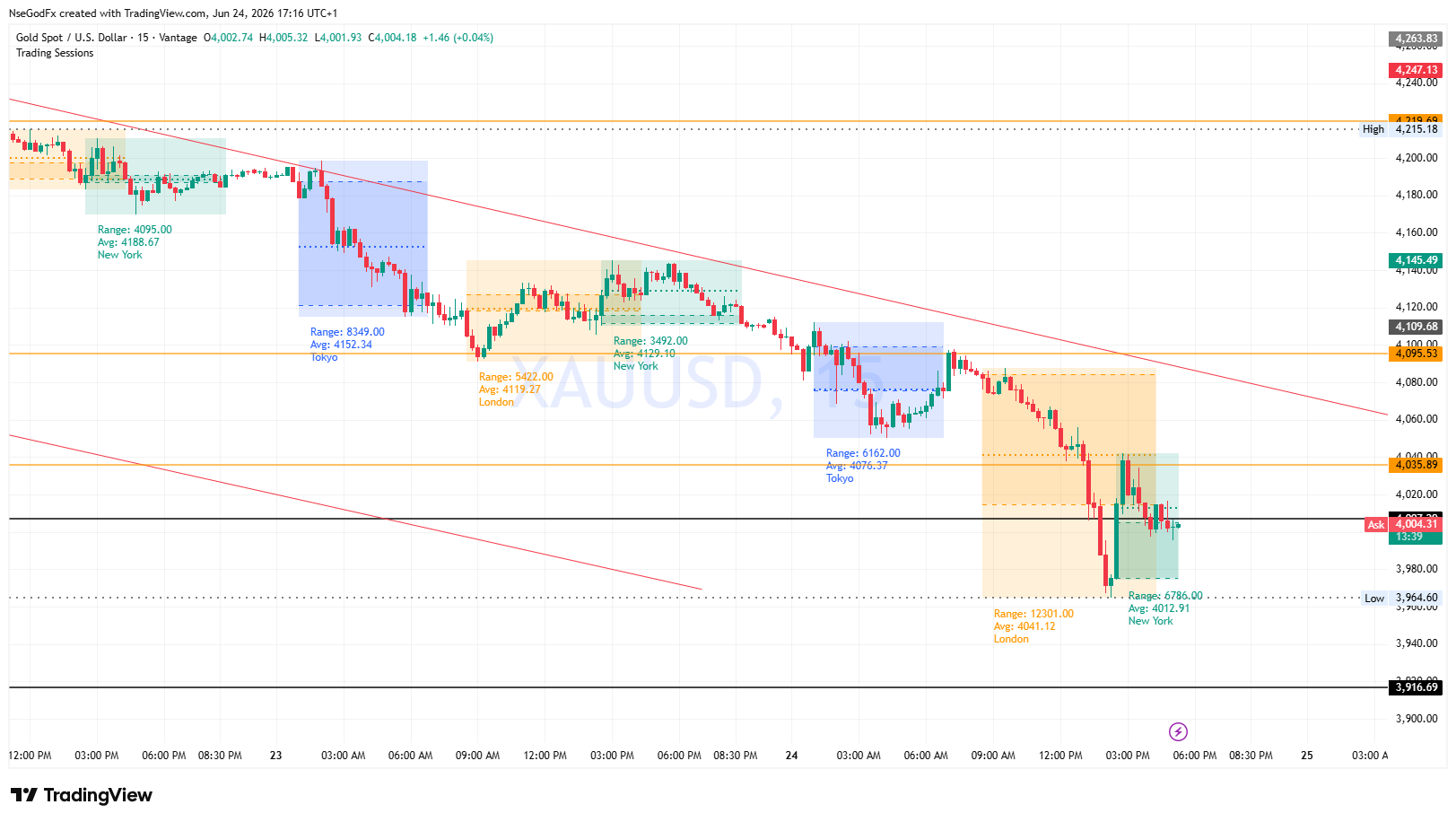
Yeah. And to add to that, those heavy moves often comes during Session Opens and Close, And Kill zones

The examples you are giving here is not same thing as what I meant, it's a different thing entirely, liquidity levels are not just session movement, yes although we have session liquidity levels, maybe at session highs or lows but it's different, where traders are trapped when you sell, and price is going up and down just close to you entry for a long time and finally you are taken out, or a zone where your buy or sell limit was and price triggered went your direction a little and started reversing to your SL immediately, or you see a fast move immediately you jump in for a buy breakout or sell breakout made little profit but price starts going back to your entry at last your SL that's what am saying and this image shows it alk

Disclaimer:

At MyTradingLand.com, we connect you with forex brokers and provide a community for traders. While we offer valuable information and resources, please note that we are not financial advisors and cannot provide personalized financial advice. Always conduct your own research and invest responsibly.

Community Guidelines: The MyTradingLand.com community is designed as a resource for forex traders, promoting respectful and constructive discussions. We reserve the right to remove any content that is misleading, abusive, or violates our terms of service.

Broker Information: While we may receive commissions or advertising income from some of the brokers listed, this does not imply an endorsement of any broker, nor does it affect our review process. Our evaluations are based solely on objective criteria and user feedback.

Always verify the regulatory status of any broker with your local financial authority, along with their terms and privacy policies, before engaging with them. It is crucial to conduct thorough research to ensure that you are making informed decisions.

Risk Warning: At MyTradingLand.com, we strive to provide accurate information; however, the forex market is highly volatile and can change rapidly. It is essential to verify any information before making investment decisions.

Please be aware that trading in forex involves substantial risk, and it is possible to lose more than your trading equity/investment capital. 70-90% of retail CFD traders incur losses in their trading activities as per information from various brokers.

You are solely responsible for your use of MyTradingLand.com and any trading decisions you make. We encourage all users to educate themselves thoroughly about forex trading and to consider seeking advice from qualified financial professionals.

Advertising Disclosure: We may earn commissions from recommended brokers, but our reviews are independent (not influenced by potential earnings). Sponsored content is clearly marked and doesn't reflect our views.

©2026 ©2025 All rights reserved Mytradingland.com